Why It Matters
The three launches illustrate how heritage hospitality, culturally resonant art shows, and experiential fashion retail are converging to attract affluent, experience‑seeking consumers in global lifestyle hubs.
Key Takeaways
- •Casa Laveni opens in Milan, five rooms feature private garden terraces
- •Rooms start $520/night, blending Art Deco design with historic architecture
- •Martin Wong’s “Popeye” show in NYC highlights queer‑coded pop culture art
- •Exhibition runs April 18‑May 30, featuring kinetic brick‑patterned Popeye sculptures
- •Matthew Williamson opens Caserra 71 in Majorca, displaying 20‑year fashion archive
Pulse Analysis
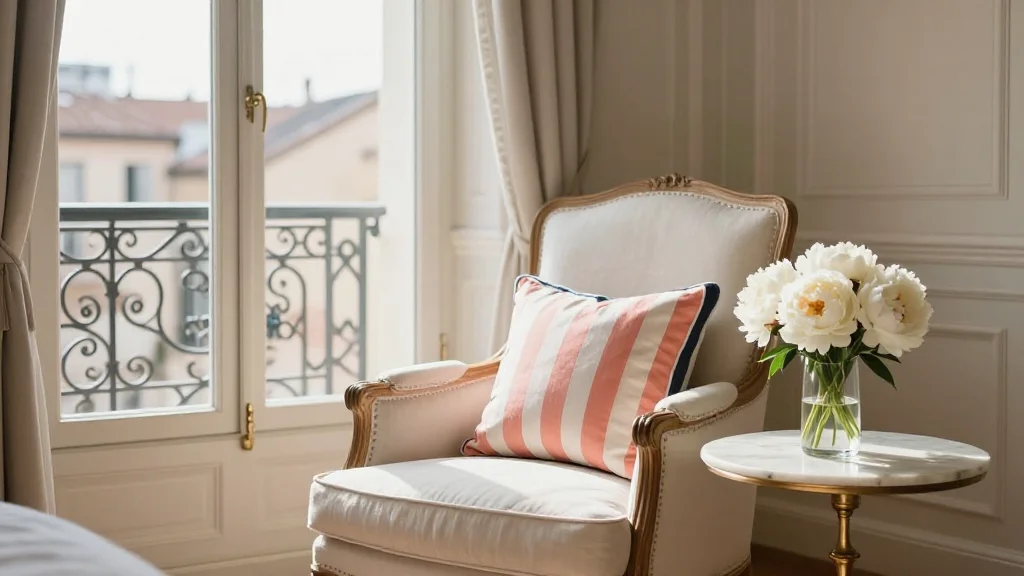
Milan’s Brera district has added a new luxury offering with Casa Laveni, a five‑story former residence transformed into a boutique hotel that feels like a private Milanese apartment. The property’s emphasis on historic Art Deco details—blond parquet, cornices, cloud‑printed ceilings—combined with garden terraces taps into a growing demand for heritage‑rich, immersive stays among high‑spending travelers. At a starting price of $520 per night, the hotel positions itself at the premium end of the market, appealing to guests who value both cultural authenticity and modern comfort.
Across the Atlantic, New York’s PPOW gallery is spotlighting Martin Wong’s iconic reinterpretations of Popeye the Sailor Man, an exhibition that underscores the lasting relevance of queer‑coded pop culture in contemporary art. Wong’s signature brick motif and kinetic, four‑foot‑tall sculptures animate the gallery space, offering a tactile narrative that bridges low‑brow cartoon imagery with high‑art discourse. Running from April 18 to May 30, the show not only honors Wong’s legacy but also reflects a broader museum trend of foregrounding LGBTQ+ perspectives within mainstream programming.
In the Mediterranean, designer Matthew Williamson’s Caserra 71 shop in Deià, Majorca, redefines retail by turning a historic townhouse into a living museum of his two‑decade fashion archive. Curated with roughly 40 one‑of‑a‑kind pieces and complemented by contemporary labels, the space blends vibrant mango‑inspired hues with restored architectural details, creating an experiential environment that attracts both fashion connoisseurs and tourism‑driven shoppers. This model illustrates how luxury brands are leveraging storytelling and place‑based experiences to differentiate themselves in an increasingly competitive global market.
Popeye the Art Icon
Comments
Want to join the conversation?
Loading comments...