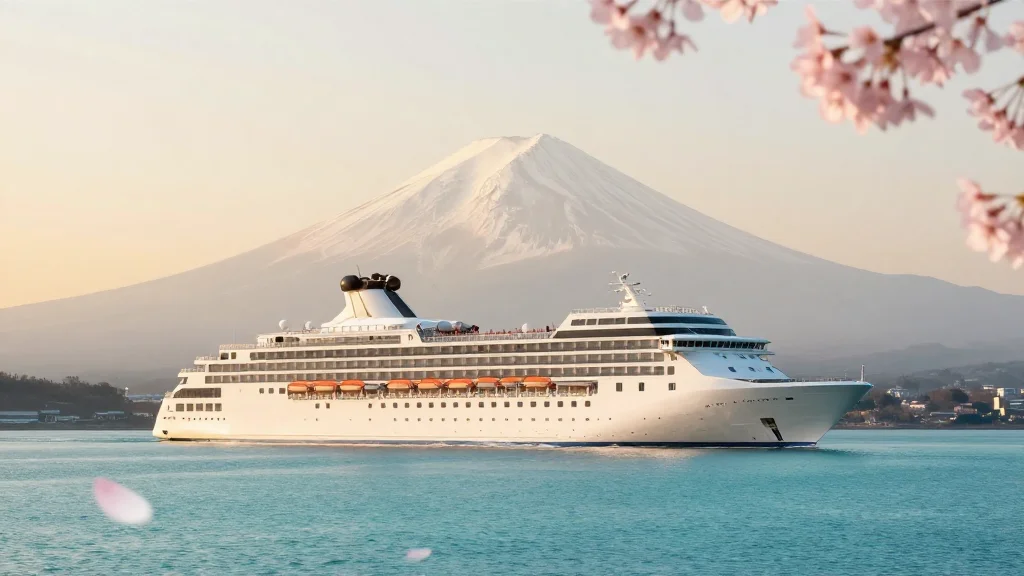
Princess Cruises Rolls Out Largest‑Ever Japan Summer 2028 Season and Expanded Southeast Asia Program

Why It Matters
The announcement signals a strategic shift for cruise operators toward longer, culturally focused itineraries in Asia, a market that has historically lagged behind the Caribbean and Mediterranean. By home‑porting ships in Tokyo, Princess Cruises reduces transit time, lowers fuel costs, and offers passengers more time ashore, potentially reshaping how cruise lines design Asian schedules. The program also dovetails with Japan’s broader tourism strategy to attract high‑spending visitors during peak festival periods, supporting local economies and reinforcing the country’s image as a premier cruise destination. For travelers, the expanded offerings provide unprecedented access to a range of experiences—from cherry‑blossom viewing to tropical beach escapes—within a single cruise line’s portfolio. This could accelerate the adoption of cruise travel among Asian‑focused vacationers who previously relied on separate trips to explore the region.
Key Takeaways
- •Princess Cruises announced 96 departures across 61 itineraries for 2027‑28.
- •Two ships, Diamond Princess and Sapphire Princess, will home‑port in Tokyo for the full 2028 Japan season.
- •The Japan program covers 41 destinations in three countries, while Southeast Asia itineraries span nine countries.
- •Itineraries are timed to Japan’s major summer festivals and seasonal events like cherry blossom and fall foliage.
- •Bookings opened with early‑bird pricing and flexible payment options, with sailings starting July 2028.
Pulse Analysis
Princess Cruises’ aggressive Asian rollout reflects a maturing cruise market that is moving beyond traditional Western routes. The decision to base two vessels in Tokyo is a calculated response to Japan’s easing of cruise‑related regulations and its investment in port facilities capable of handling large ships. Historically, cruise lines have been hesitant to commit significant capacity to Japan due to limited port infrastructure and seasonal demand fluctuations. By aligning sail dates with cultural festivals, Princess not only differentiates its product but also taps into a premium segment of travelers willing to pay higher fares for authentic experiences.
The Southeast Asia expansion complements the Japan focus, creating a contiguous Asian cruise corridor that can attract guests seeking multi‑country journeys without the need for multiple bookings. This integrated approach may set a new benchmark for itinerary planning, prompting competitors like Royal Caribbean and Norwegian to reevaluate their Asian strategies. Moreover, the program’s scale could stimulate ancillary services—such as shore‑excursion operators and local hospitality providers—driving economic benefits beyond the cruise line’s own revenue.
Looking ahead, the success of Princess’s Asian program will hinge on its ability to fill cabins in a market still recovering from pandemic‑related travel hesitancy. If demand materializes as projected, we could see a ripple effect: more cruise lines increasing Asian capacity, ports upgrading facilities, and travel agencies expanding their cruise offerings for the region. Conversely, underperformance could temper future investments, reinforcing the importance of precise market timing and robust local partnerships.
Princess Cruises Rolls Out Largest‑Ever Japan Summer 2028 Season and Expanded Southeast Asia Program
Comments
Want to join the conversation?
Loading comments...