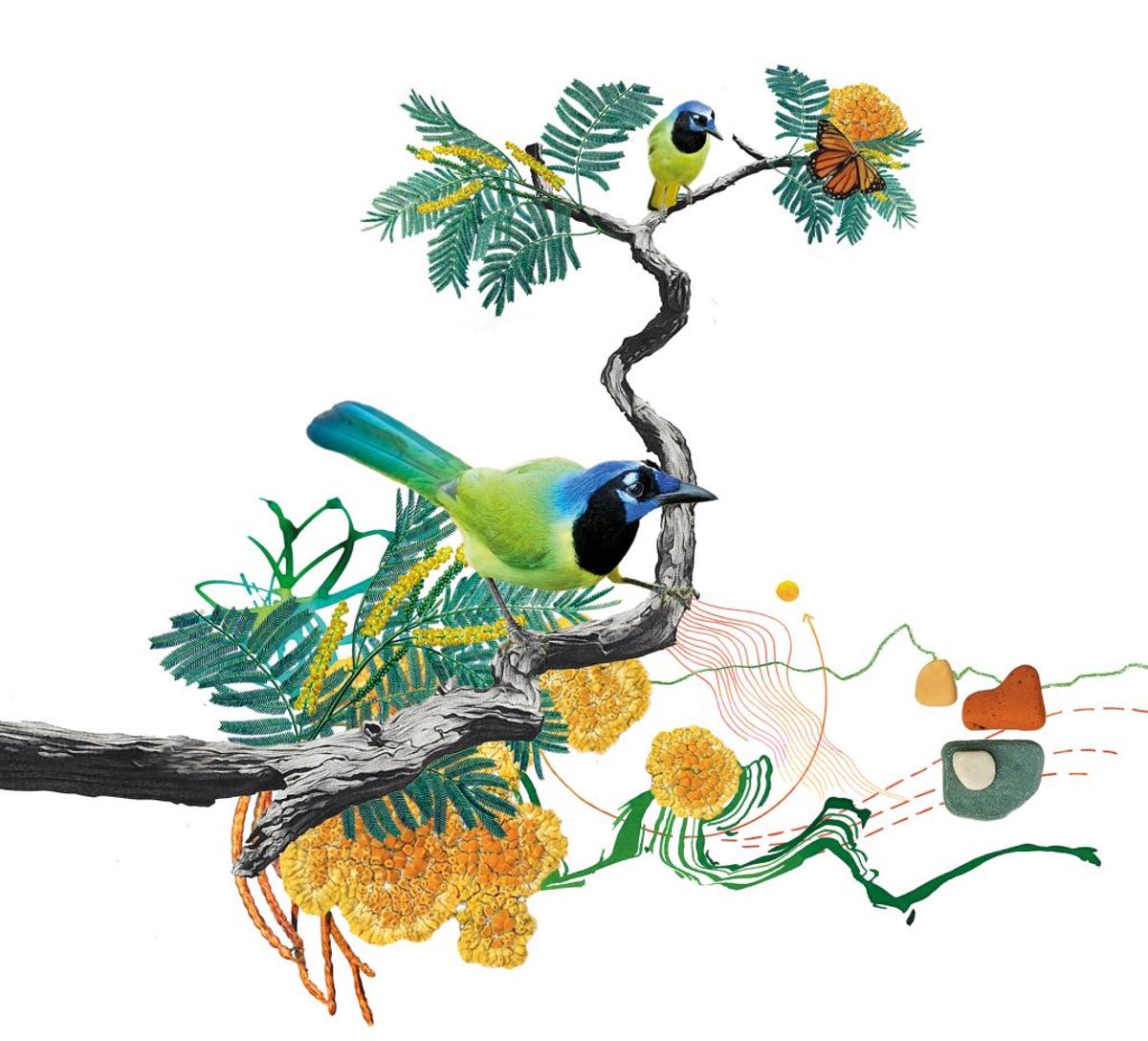
Reflections on the Evolving Landscape of South Texas
Why It Matters
Understanding South Texas’s ecological and cultural transformation reveals a $1 billion tourism engine and underscores urgent restoration to preserve biodiversity and regional identity.
Key Takeaways
- •South Texas hosts >500 bird species, fueling a $1 billion ecotourism sector
- •Guinea grass, introduced >100 years ago, now dominates native brush
- •Local groups have planted 1 million native seedlings for reforestation
- •Historic trade routes shaped modern highways from Ciudad Mier to Goliad
- •Mesquite trees symbolize cultural continuity and ecological resilience
Pulse Analysis
South Texas’s landscape is a tapestry of centuries‑old cultural narratives and natural wonders. From the mesquite‑lined trails recorded by 17th‑century explorers to the Spanish‑era plazas designed under the Laws of the Indies, the region’s geography has long guided migration, trade, and settlement. Today, that same terrain supports a vibrant ecotourism market, attracting birdwatchers, butterfly enthusiasts, and heritage tourists who collectively generate roughly $1 billion in annual revenue. The convergence of historic routes and biodiversity hotspots makes the valley a unique case study for regional planners seeking to balance preservation with economic growth.
Ecologically, the Rio Grande Valley is a critical stop on the Central Flyway, hosting more than 500 bird species and serving as a breeding ground for monarch butterflies and rare native plants. Invasive species like guinea grass, introduced a century ago for cattle feed, now threaten native brush and water‑dependent habitats. Community‑driven initiatives—such as the Friends of the Wildlife Corridor and private nurseries—are combating these pressures by planting native seedlings, restoring cypress groves, and establishing pollinator corridors, thereby safeguarding the ecosystem services that underpin local agriculture and tourism.
Looking forward, South Texas’s restoration momentum signals a broader shift toward sustainable land management. Leaders like Benito Treviño, who recently cultivated his 1 millionth seedling, illustrate how scientific inquiry and cultural storytelling can align to protect the region’s natural capital. As climate variability intensifies, these grassroots efforts will be essential for maintaining biodiversity, supporting the $1 billion ecotourism economy, and preserving the cultural identity woven into the mesquite‑shadowed hills and riverbanks of South Texas.
Reflections on the Evolving Landscape of South Texas
Comments
Want to join the conversation?
Loading comments...