Rick Steves' Team Shares How The FIFA World Cup Will Effect Travel In Europe In 2026
Why It Matters
European tourism operators must adapt to fluctuating crowds and altered business hours, while travelers can turn potential disruptions into opportunities for a more relaxed itinerary.
Key Takeaways
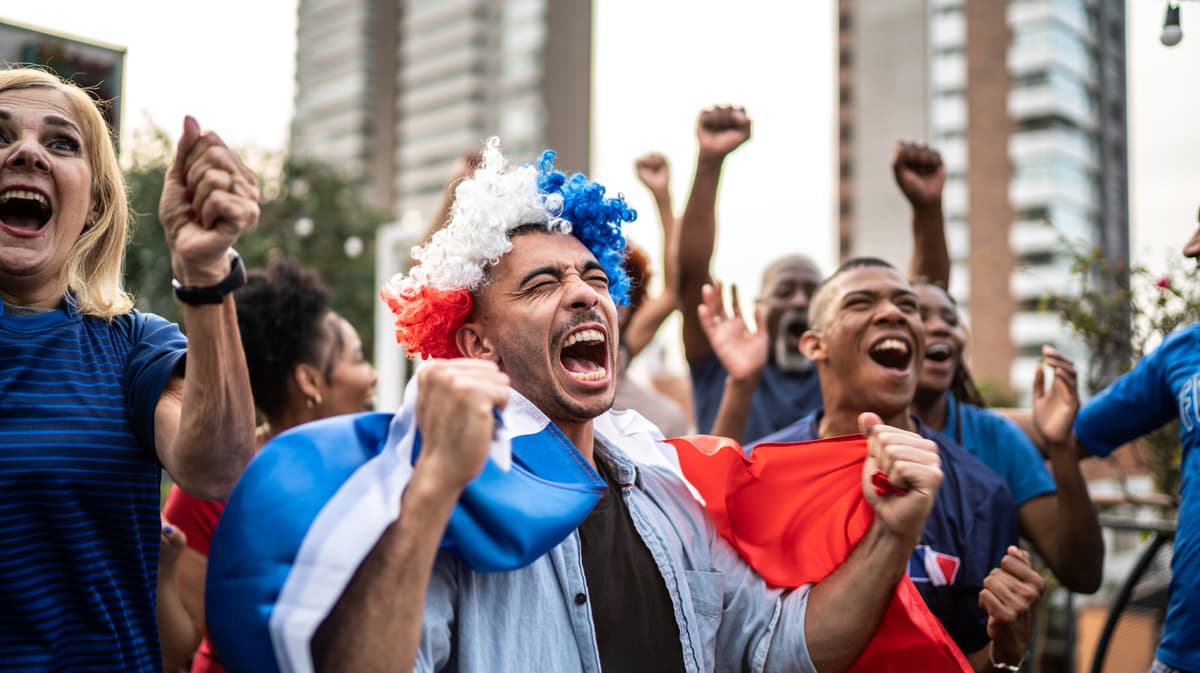
- •Public screens will appear in squares, pubs across Europe.
- •Match times may shift museum crowds to off‑peak hours.
- •Some businesses may adjust hours to match local team games.
- •Travelers can enjoy quieter attractions during early‑morning or late‑night matches.
- •Football fever adds festive atmosphere but can cause venue congestion.
Pulse Analysis
The 2026 FIFA World Cup is set to dominate North American headlines, but its cultural pull will be felt far beyond the host nations. Europe’s deep-rooted soccer passion means cities from Barcelona to Budapest will transform public spaces into giant viewing parties, with large LED screens and packed taverns becoming the norm. For a continent already bracing for its peak tourist influx between June and July, this added layer of activity introduces a new variable for travel planners and hospitality providers alike.
From a tourism perspective, the tournament’s staggered kick‑offs across four time zones create a paradoxical effect: while certain evenings may see streets clogged with chanting fans, early‑morning or late‑night match slots could free up museums, historic sites and popular piazzas. Operators that adjust opening hours or promote off‑peak experiences stand to capture a segment of travelers seeking quieter environments. Likewise, restaurants and bars that align service windows with match schedules can boost revenue, turning football fever into a seasonal sales catalyst.
For the modern traveler, the World Cup offers both a challenge and an advantage. By monitoring match calendars and local screening locations, visitors can plan visits to iconic landmarks when crowds thin, or deliberately immerse themselves in the communal buzz of a live viewing. In the longer term, the 2026 event may prompt European cities to formalize partnerships with broadcasters and sponsors, embedding sports tourism into their broader economic strategies and reshaping the summer travel landscape for years to come.
Rick Steves' Team Shares How The FIFA World Cup Will Effect Travel In Europe In 2026
Comments
Want to join the conversation?
Loading comments...