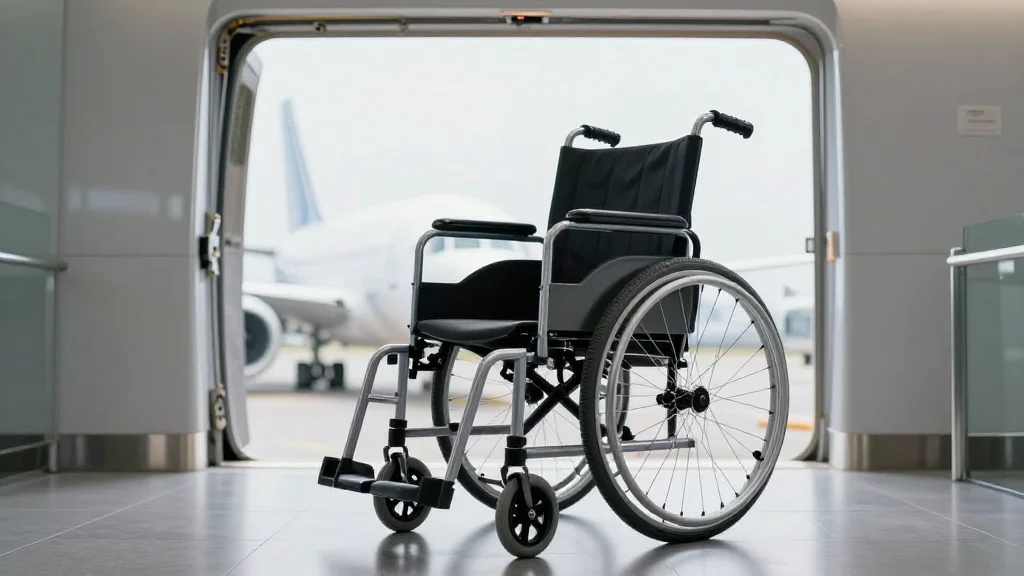
Roll With Confidence: The Wheelchair Traveler’s Guide To Going Anywhere
Why It Matters
Ensuring compliance with disability regulations and proactive logistics prevents costly delays and enhances safety for a growing market of wheelchair travelers. The guide empowers travelers and industry players to close accessibility gaps, driving broader inclusion and revenue opportunities.
Key Takeaways
- •Airline assistance required 48 hrs before travel per Air Carrier Access Act
- •Accessible hotel rooms need elevator, roll‑in shower, and door width verification
- •Cruise lines must price accessible cabins same as standard, book early
- •Portable ramps, spare batteries, and medical ID improve travel independence
- •Use specialist agents or sites like Wheel the World for reliable reviews
Pulse Analysis
The legal backbone of wheelchair travel in the United States rests on the Air Carrier Access Act, which mandates airlines to provide comprehensive assistance from curb to gate. While the law covers boarding, deplaning, and baggage handling, it does not automatically extend abroad, making early communication with carriers critical. Travelers should document requests in writing, confirm equipment dimensions, and verify that ground staff will meet them at security checkpoints and connecting gates. This proactive approach reduces the risk of missed flights and ensures that airlines honor their obligations, protecting both the passenger’s schedule and dignity.
Beyond the skies, accommodations and cruise ships present a second layer of complexity. Hotels must offer ADA‑compliant rooms, but photos can be misleading; guests should inquire about elevator access, door clearances, roll‑in showers, and functional pool lifts. Cruise lines, bound by maritime regulations, cannot charge a premium for accessible staterooms, yet demand early reservations—often a year ahead—to secure limited inventory. Selecting carriers and properties with proven accessibility records, such as Celebrity Cruises or Disney Cruise Line, and leveraging specialist travel agents can streamline coordination of on‑board mobility aids and shore‑side shuttles, turning a potential logistical nightmare into a seamless experience.
Practical preparation rounds out the travel equation. Packing an extra power‑wheelchair battery, a compact toolkit, and a portable ramp equips travelers to handle unexpected breakdowns or uneven surfaces. Medical documentation and a disability identification card simplify interactions with security and emergency personnel. Finally, community‑driven platforms like Wheel the World, AccessNow, and the Society for Accessible Travel & Hospitality provide real‑time reviews and vetted agent connections, turning collective knowledge into a competitive advantage for both travelers and the hospitality industry.
Roll With Confidence: The Wheelchair Traveler’s Guide To Going Anywhere
Comments
Want to join the conversation?
Loading comments...