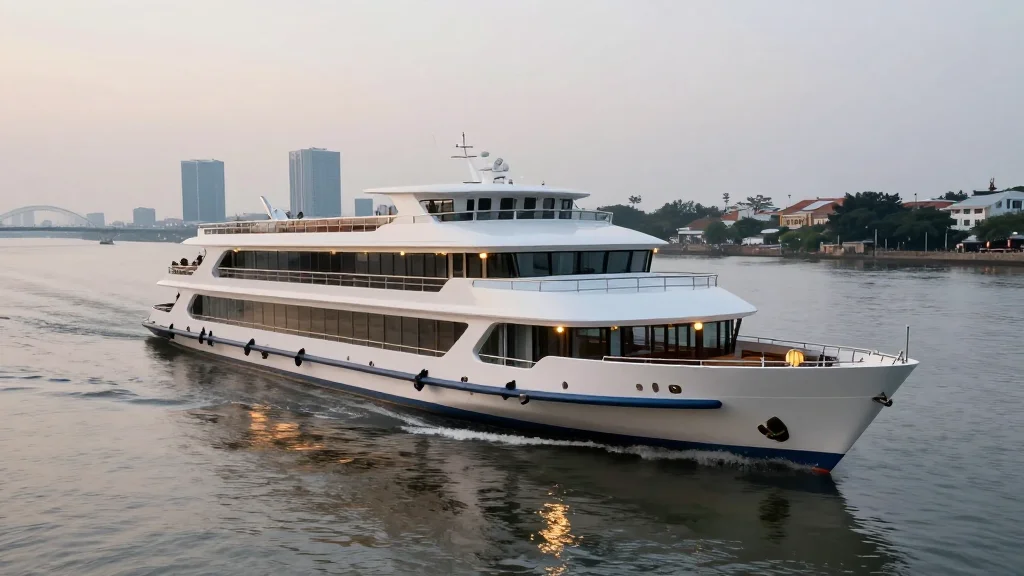
Saigon River Luxury Cruise Launches with $38 Million Investment to Attract High‑Spending Travelers

Why It Matters
The Saigon River luxury cruise signals a broader transformation in Southeast Asian tourism, where destinations are moving beyond mass‑market beach and city packages toward curated, high‑margin experiences. By leveraging an underused waterway, Ho Chi Minh City can differentiate itself from regional competitors and capture a slice of the growing affluent traveler segment that values authenticity, privacy and cultural immersion. Success could encourage other Vietnamese cities to develop similar river‑based offerings, diversifying revenue streams and reducing pressure on over‑crowded coastal resorts. For the global travel industry, the project illustrates how modest infrastructure investments—US$38 million in this case—can unlock new product categories that command premium pricing. It also highlights the importance of storytelling and heritage in attracting high‑spending guests, reinforcing the shift toward experience‑led travel that many operators worldwide are racing to adopt.
Key Takeaways
- •Ho Chi Minh City launches a $38 million boutique river cruise targeting high‑value travelers
- •Vietnam aims for 25 million international visitors by 2026, 35 million by 2030
- •The Saigon River spans 80 km and is being repositioned as a cultural stage
- •Amiral Cruises for Presidents will offer day and multi‑day itineraries linking river and coast
- •Operators claim slow‑travel guests are willing to pay higher prices for immersive experiences
Pulse Analysis
Vietnam’s pivot to river‑based luxury tourism reflects a strategic response to the saturation of traditional beach and city offerings in the region. By investing US$38 million in a boutique fleet, Ho Chi Minh City is betting on a niche but lucrative market segment that values exclusivity and narrative depth over volume. This mirrors trends seen in European capitals where river cruises have become synonymous with premium urban experiences. The city’s ability to integrate cultural programming—art, cuisine, history—directly onto the water gives it a unique selling proposition that can justify higher ticket prices and longer stays.
Historically, Vietnam’s tourism growth has been driven by low‑cost backpackers and mass‑market beach holidays. The shift toward experience‑led, high‑spending travel marks a maturation of the sector, aligning with global consumer trends that prioritize authenticity and personalization. If the Saigon River model proves profitable, it could catalyze similar projects on the Mekong Delta or in Hue, creating a network of river experiences that collectively raise the country’s average tourist spend. However, the success of this strategy hinges on effective marketing to affluent markets, seamless coordination with local cultural institutions, and maintaining high service standards that meet the expectations of luxury travelers.
Looking ahead, the cruise’s performance will be a bellwether for Vietnam’s broader tourism diversification plan. A strong uptake could accelerate the government’s push to balance visitor distribution across inland and coastal regions, easing pressure on over‑touristed beaches while unlocking new economic opportunities for riverine communities. Conversely, if demand falls short, it may prompt a reassessment of how quickly the country can shift from volume‑based to value‑based tourism without compromising its overall growth targets.
Saigon River Luxury Cruise Launches with $38 Million Investment to Attract High‑Spending Travelers
Comments
Want to join the conversation?
Loading comments...