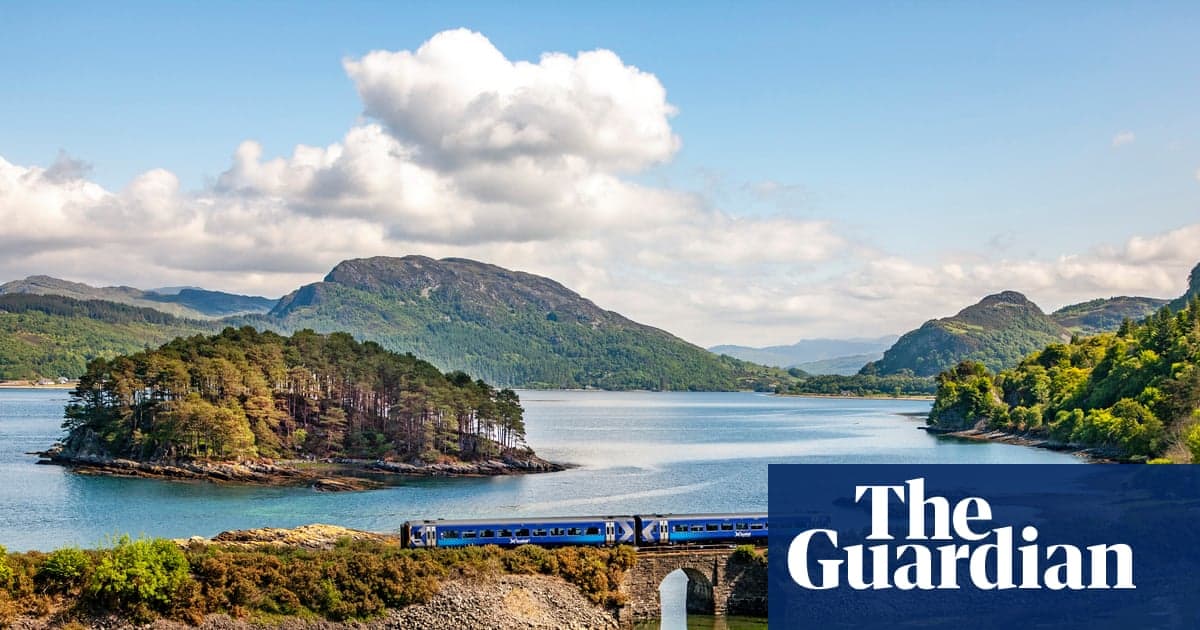
Sea-Hugging Railways and Magical Views: Five of Europe’s Best Coastal Train Lines
Why It Matters
Coastal train experiences combine low‑carbon mobility with regional tourism boosts, meeting rising demand for immersive, sustainable travel in Europe’s hinterlands.
Key Takeaways
- •ScotRail offers four daily trips, showcasing both Scotland’s east and west coasts
- •Irish Rail’s Dublin‑Arklow service costs €8.85 (~$9.6) and runs six times daily
- •DB’s Sylt line crosses the Hindenburg causeway, the first ICE over‑sea run
- •Renfe’s Ribadeo‑Ferrol route traverses Galicia’s rugged rías for under $13
- •Trenitalia’s Ionian Railway hugs Italy’s Calabrian shoreline, a 2‑hr 20‑min ride
Pulse Analysis
Coastal rail corridors have become a quiet catalyst for sustainable tourism across Europe. In Scotland, the Inverness‑Kyle of Lochalsh line uniquely delivers ocean views on both sides of the country, drawing hikers and wildlife enthusiasts to remote lochs without the carbon footprint of car travel. Meanwhile, Ireland’s Dublin‑Arklow commuter line, a legacy of Brunel’s engineering, offers a low‑cost ($10) gateway to the Wicklow coastline, encouraging day‑trippers to explore historic villages and protected wetlands.
Germany’s recent introduction of an ICE service over the Hindenburg causeway to Sylt marks a milestone in high‑speed, sea‑crossing rail. The 44‑mile stretch not only shortens travel time for affluent beachgoers but also showcases how legacy infrastructure can be repurposed for greener mobility. In Spain, the narrow‑gauge Renfe route from Ribadeo to Ferrol threads through Galicia’s dramatic rías, providing an affordable alternative to luxury trains while supporting small coastal towns that rely on seasonal visitor spending.
Southern Europe’s Calabrian coast, served by Trenitalia’s Ionian Railway, illustrates the untapped potential of regional lines to attract niche travelers seeking authentic Mediterranean scenery. By promoting these routes, rail operators can diversify revenue, reduce road congestion, and align with EU climate goals. For travelers, the combination of modest fares (often under $15), frequent schedules, and breathtaking vistas makes coastal rail an increasingly compelling choice for both leisure and eco‑conscious itineraries.
Sea-hugging railways and magical views: five of Europe’s best coastal train lines
Comments
Want to join the conversation?
Loading comments...