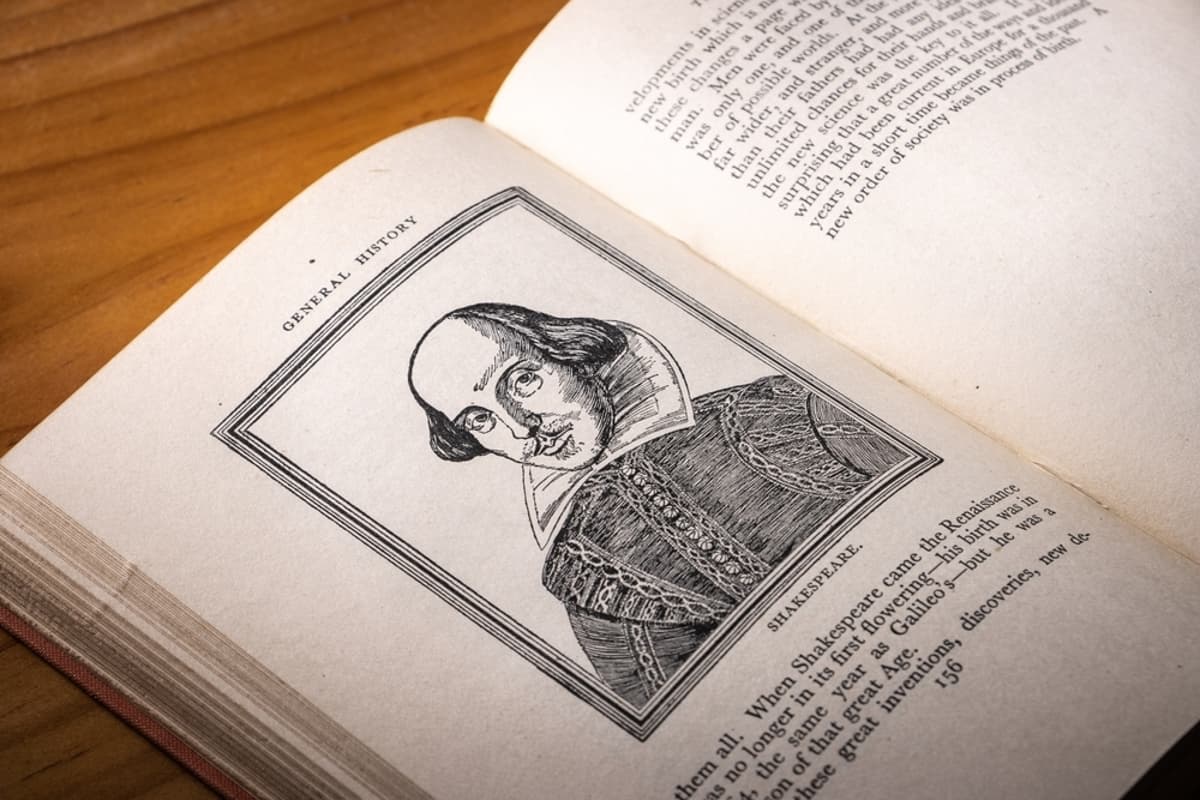
Shakespeare’s ‘Missing’ Home Has Been Discovered in Central London – Can You Visit It?
Why It Matters
The discovery reshapes our understanding of Shakespeare’s urban life and offers a new cultural‑tourism anchor in central London, enriching both academic research and visitor experiences.
Key Takeaways
- •Professor Lucy Monro identified Shakespeare's 1613 London flat layout.
- •Flat spanned Bergon Street, Ireland Yard, and St Andrew’s Hill.
- •Property neighbored Blackfriars Theatre and The Cockpit tavern.
- •Shakespeare’s house sold by his daughter in 1665, then burned.
- •Site remains walkable from Blackfriars Station for modern visitors.
Pulse Analysis
The revelation of Shakespeare’s London home stems from a meticulous archival hunt by King’s College London historian Lucy Monro, who traced an obscure map to a precise floor plan of a 1613 L‑shaped flat. By cross‑referencing documents from The London Archives and The National Archives, she confirmed the property’s dimensions, ownership details, and its conversion from a medieval monastery. This level of granularity is rare for early‑modern residential research and provides scholars with a concrete anchor point for studying the playwright’s daily environment, social networks, and economic status during his most productive years.
Shakespeare’s London residence was more than a convenient lodging; it placed him within a vibrant theatrical district that included the Blackfriars Theatre, where he staged several late plays, and the nearby Sign of the Cock tavern, later known as The Cockpit. The flat’s location on Bergon Street and Ireland Yard meant the playwright could walk to rehearsals, manage his acting company, and mingle with patrons and fellow writers. After his death, the property passed to his daughter and was eventually lost in the 1666 Great Fire, leaving only the ground plan as evidence. This context deepens our appreciation of how the capital’s urban fabric influenced Shakespeare’s work and business dealings.
For today’s cultural tourists, the site offers a tangible link to the Bard’s London life. A short ten‑minute stroll from Blackfriars Station brings visitors past the surviving friary buildings, the historic Cockpit, and the exact plot where Shakespeare once lived. Guided walks and interpretive signage can transform the area into an immersive heritage experience, complementing existing attractions like the Globe Theatre and encouraging deeper engagement with the city’s literary legacy.
Shakespeare’s ‘missing’ home has been discovered in central London – can you visit it?
Comments
Want to join the conversation?
Loading comments...