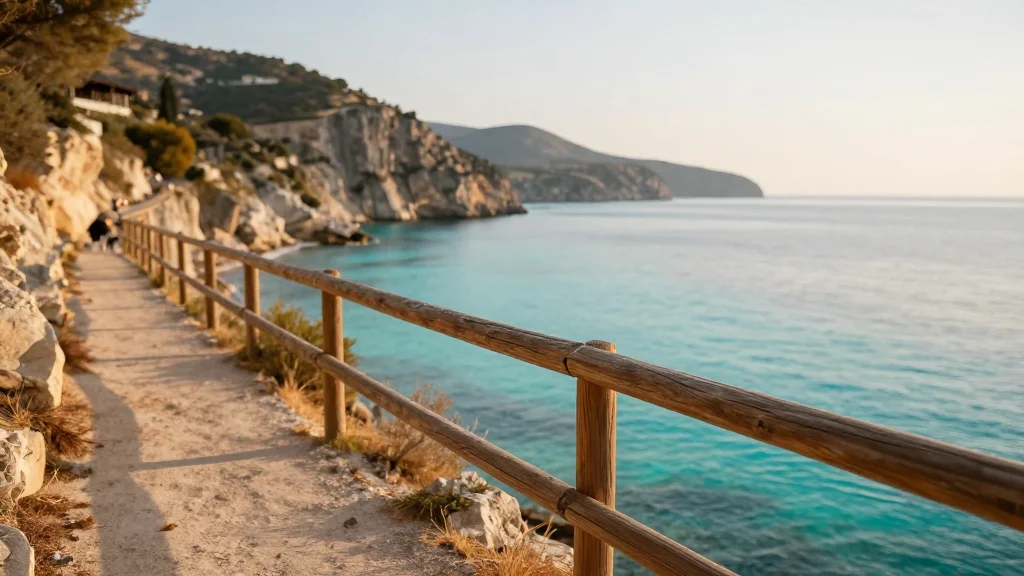
Shoulder-Season Surge Sends Northern Spain and Croatia’s Coasts Into Sustainable Travel Spotlight

Why It Matters
The shift toward shoulder‑season travel signals a fundamental change in European tourism demand, moving away from volume‑driven peaks to a model that values sustainability and regional equity. For destinations like northern Spain and Croatia, the influx of off‑peak visitors can diversify revenue streams, support year‑round employment and reduce the environmental strain associated with mass tourism. If the trend persists, it could reshape investment priorities, prompting governments and private operators to fund low‑impact infrastructure, protect natural assets and develop community‑based hospitality offerings. The broader industry may also see a recalibration of pricing, with off‑season rates becoming more competitive and attractive to a growing segment of eco‑conscious travelers.
Key Takeaways
- •Travelers are favoring May, June, September and October over July‑August, boosting shoulder‑season arrivals in 2024‑25.
- •La Reserva Ecoturista corridor links 25 protected areas across four northern Spanish regions, launched in 2025.
- •UN Tourism and European reports promote tourism‑dispersal to alleviate overtourism in cities like Barcelona and Dubrovnik.
- •Green routes repurposing rail lines and rural trails enable low‑impact mobility and multi‑day itineraries.
- •Regional campaigns highlight cooler climates and nature‑based experiences, driving economic growth in peripheral communities.
Pulse Analysis
The shoulder‑season surge reflects a maturing travel mindset that prioritizes experience quality over sheer volume. Historically, European tourism has been anchored to a narrow summer window, concentrating crowds in a handful of marquee cities. The current redistribution mirrors a broader sustainability agenda, where travelers act as informal regulators, steering demand toward destinations that can manage visitor impact more responsibly.
From a competitive standpoint, northern Spain and Croatia are leveraging their natural endowments—rugged coastlines, temperate climates and rich cultural tapestries—to differentiate themselves from traditional sun‑belt offerings. The rollout of the La Reserva Ecoturista corridor illustrates how coordinated, region‑wide product development can amplify a destination’s appeal without requiring massive new infrastructure. By bundling protected areas into a cohesive travel experience, authorities are creating a narrative that resonates with eco‑savvy tourists while safeguarding biodiversity.
Looking forward, the durability of this trend will hinge on the ability of local stakeholders to maintain authenticity as visitor numbers rise. Over‑commercialization could erode the very qualities that attract shoulder‑season travelers. Continuous monitoring of visitor flows, adaptive management of natural sites, and reinvestment of tourism revenue into community projects will be essential to preserve the balance between growth and sustainability.
Shoulder-Season Surge Sends Northern Spain and Croatia’s Coasts Into Sustainable Travel Spotlight
Comments
Want to join the conversation?
Loading comments...