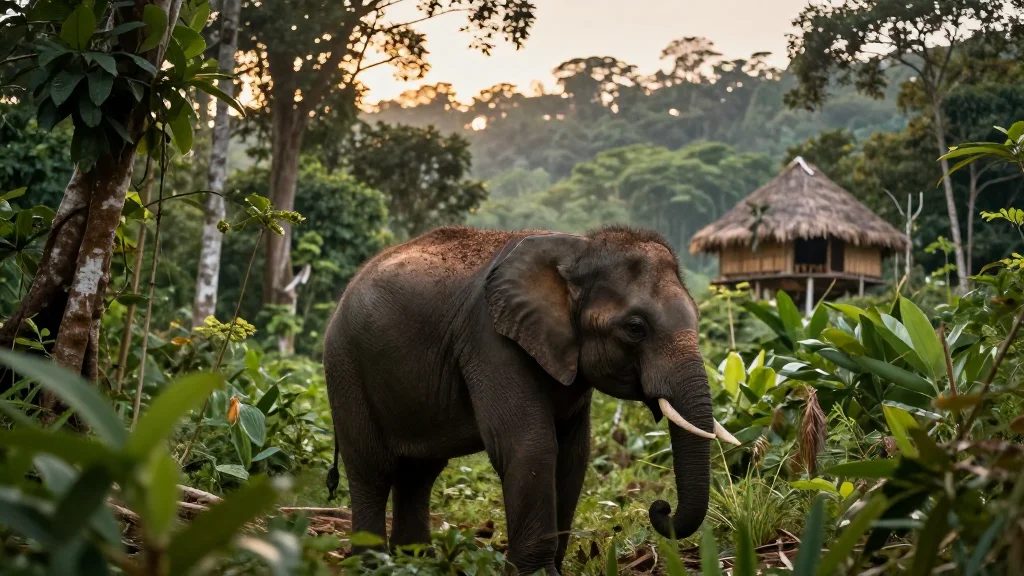
Sierra Leone Becomes West Africa’s Premier Wildlife Destination

Why It Matters
Sierra Leone’s rise reshapes West Africa’s tourism hierarchy, pulling attention and investment away from traditional hubs like Ghana and Senegal. By leveraging its rare primate populations and forest elephant strongholds, the country can generate high‑value, low‑impact tourism that fuels job creation while financing critical conservation work. The success of this model could serve as a blueprint for other post‑conflict nations seeking to turn natural assets into economic engines. Moreover, the infrastructure projects—most notably the Lungi Bridge and new air routes—signal a broader commitment to integrating remote ecological sites into the global travel network. If managed responsibly, the influx of tourists could provide sustainable livelihoods for local communities, reduce reliance on extractive industries, and strengthen regional biodiversity corridors.
Key Takeaways
- •Visitor arrivals have risen sharply in 2024‑2025, positioning tourism as a key economic pillar
- •Sierra Leone hosts one of the largest remaining populations of western chimpanzees in West Africa
- •The Lungi Bridge contract signed in late 2023 aims to improve airport‑city connectivity
- •A new national carrier plans routes to European and regional hubs, boosting accessibility
- •Community‑run lodges and village stays channel tourism revenue into conservation and local jobs
Pulse Analysis
Sierra Leone’s emergence as a wildlife hotspot reflects a convergence of ecological rarity and strategic policy shifts. Historically, the country’s tourism narrative was dominated by its civil war legacy, which deterred investment and visitor confidence. The recent pivot leverages untapped biodiversity—particularly the western chimpanzee and forest elephant populations—to attract a niche segment of high‑spending eco‑tourists. This segment values authenticity and low crowding, traits that Sierra Leone naturally offers.
The infrastructure push, epitomised by the Lungi Bridge and a fledgling national airline, is more than a logistical upgrade; it is a signal to the global market that the nation is ready for scalable, sustainable tourism. However, rapid growth carries the risk of habitat degradation if visitor management frameworks lag behind. Effective revenue‑sharing mechanisms, such as park fees earmarked for anti‑poaching units, will be essential to preserve the very assets that draw tourists.
In the competitive West African market, Sierra Leone’s differentiation lies in its blend of coastal allure and deep‑forest wildlife, a combination few neighbours can match. If the government can maintain the delicate balance between accessibility and conservation, the country could set a precedent for post‑conflict economies turning natural capital into a resilient, diversified growth engine. The next two years—marked by bridge completion and airline launch—will be the litmus test for whether Sierra Leone can sustain its momentum without compromising its ecological integrity.
Sierra Leone Becomes West Africa’s Premier Wildlife Destination
Comments
Want to join the conversation?
Loading comments...