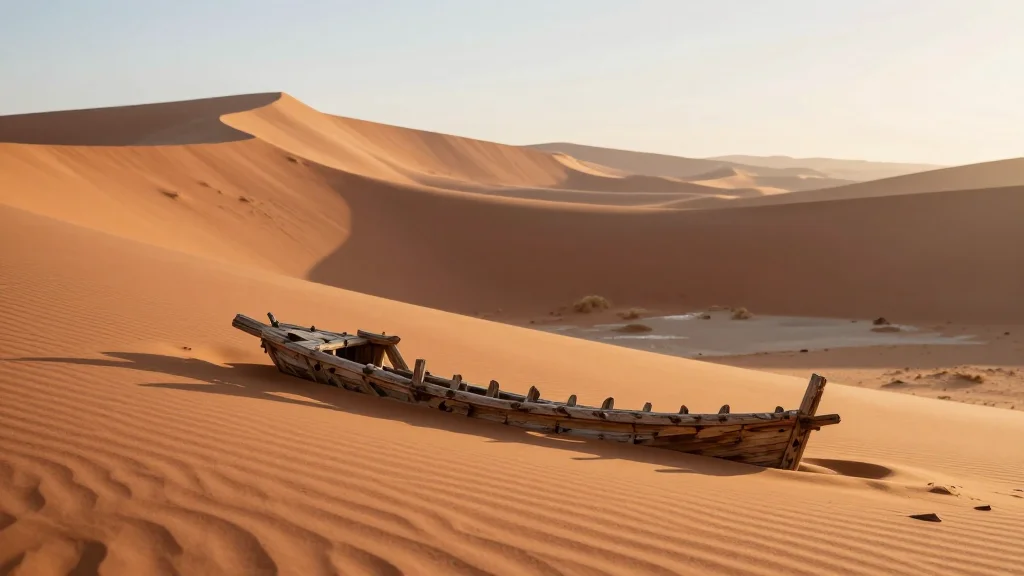
Silence and Sand Dunes on Namibia’s Skeleton Coast
Why It Matters
The Skeleton Coast’s unique landscape is becoming a high‑value niche for eco‑tourism, driving revenue for Namibia while underscoring the need for sustainable conservation. Its fragile environment illustrates broader climate‑impact challenges facing coastal deserts worldwide.
Key Takeaways
- •Dunes rise up to 100 meters high
- •Atlantic storms erase most shipwreck remnants
- •Guide emphasizes dunes shift daily
- •Tourism growth fuels local economies
- •Conservation protects fragile desert ecosystem
Pulse Analysis
Namibia’s Skeleton Coast, a remote stretch of Atlantic shoreline, has emerged as a compelling destination for adventure travelers seeking untouched wilderness. The towering dunes, some reaching 100 meters, create a dramatic backdrop that rivals more famous desert locales. Visitors are drawn by the stark silence, the rhythmic wind‑sculpted ridges, and the rare chance to witness nature’s raw power. This growing interest aligns with global trends favoring off‑the‑beaten‑path experiences, positioning the region as a premium offering in the high‑end eco‑tourism market.
Beyond its visual allure, the Skeleton Coast faces significant environmental pressures. Decades of powerful Atlantic storms have battered and buried historic shipwrecks, leaving only skeletal remnants of maritime tragedy. Seasonal rains carve temporary riverbeds that sweep animal carcasses onto the sands, while climate change threatens to intensify erosion and alter wind patterns. Conservation groups are therefore prioritizing habitat protection and sustainable visitor management to preserve the delicate balance between tourism and ecosystem health.
Economically, Namibia leverages the Skeleton Coast’s allure to diversify its tourism portfolio, traditionally centered on wildlife safaris. Investment in modest infrastructure—eco‑lodges, guided tours, and community‑run cultural experiences—creates jobs and stimulates remote economies. By marketing the area as a responsible, low‑impact destination, the country attracts high‑spending travelers who value authenticity and environmental stewardship. This strategy not only boosts foreign exchange earnings but also reinforces Namibia’s reputation as a leader in sustainable desert tourism.
Silence and Sand Dunes on Namibia’s Skeleton Coast
Comments
Want to join the conversation?
Loading comments...