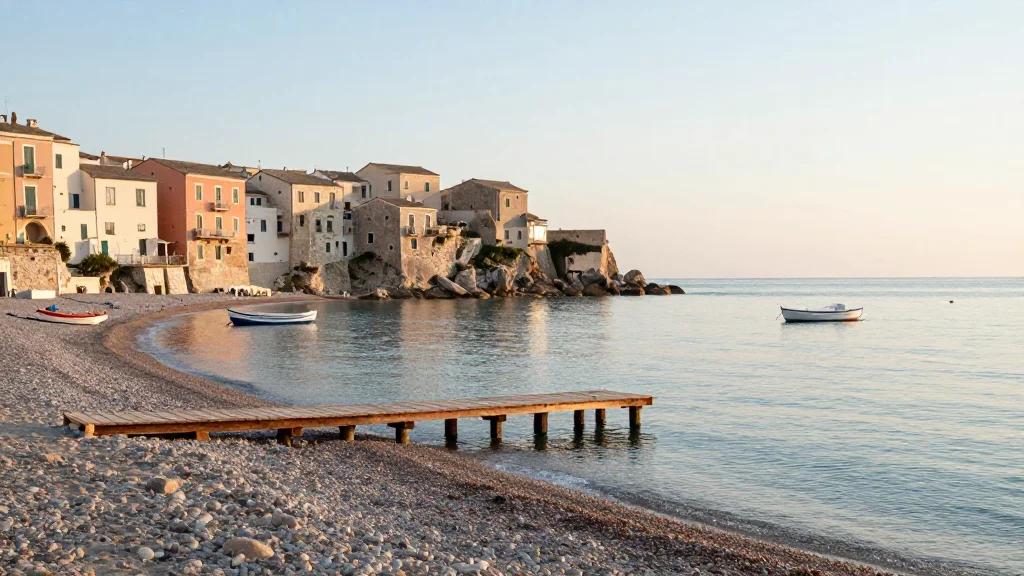
Six Quiet Italian Beach Gems Offer Crowd‑Free Alternatives to the Amalfi Coast

Why It Matters
Over‑tourism on the Amalfi Coast has strained local infrastructure, inflated prices, and threatened the region’s natural beauty. By directing visitors to quieter towns, the travel industry can alleviate these pressures, preserve cultural assets, and foster more sustainable economic growth across Italy’s coastline. The shift also signals a broader consumer trend toward responsible travel, where experiences are valued over sheer volume. For destination marketers, the emergence of alternative beach gems offers a chance to diversify revenue streams and reduce the risk of overtourism backlash. If travelers embrace these options, it could set a precedent for other overburdened destinations worldwide, encouraging a more equitable distribution of tourism benefits.
Key Takeaways
- •Six lesser‑known Italian beach towns identified as alternatives to the Amalfi Coast.
- •Praiano, Cetara, Marina di Camerota, Sperlonga, Tropea, and Baia Domizia highlighted for their low visitor density.
- •Over‑tourism on the Amalfi Coast has prompted calls for more sustainable travel patterns.
- •Travelers are increasingly seeking authentic, less‑crowded experiences post‑pandemic.
- •Italian tourism boards may boost promotion of these destinations to balance seasonal demand.
Pulse Analysis
The Washington Post’s guide taps into a growing fatigue with overtourism, especially in iconic locales that have become Instagram magnets. Influencer culture has accelerated visitor numbers to places like Positano, turning once‑picturesque villages into bottlenecks. By curating a list of quieter alternatives, the media is effectively reshaping demand, nudging travelers toward destinations that can better handle seasonal spikes.
Historically, Italy’s coastal tourism has been concentrated in a handful of hotspots, creating a cyclical strain on resources. The current push for diversification mirrors earlier efforts in places like Barcelona and Dubrovnik, where authorities introduced visitor caps and promoted peripheral neighborhoods. In the Italian context, the six towns highlighted are strategically positioned to absorb spillover traffic while offering distinct culinary and cultural experiences that differentiate them from the Amalfi brand.
Looking forward, the success of this approach will hinge on coordinated marketing, infrastructure investment, and community buy‑in. If local authorities can provide high‑quality services without losing their charm, these towns could become sustainable tourism anchors, reducing pressure on the Amalfi Coast and setting a template for other overburdened destinations worldwide.
Six Quiet Italian Beach Gems Offer Crowd‑Free Alternatives to the Amalfi Coast
Comments
Want to join the conversation?
Loading comments...