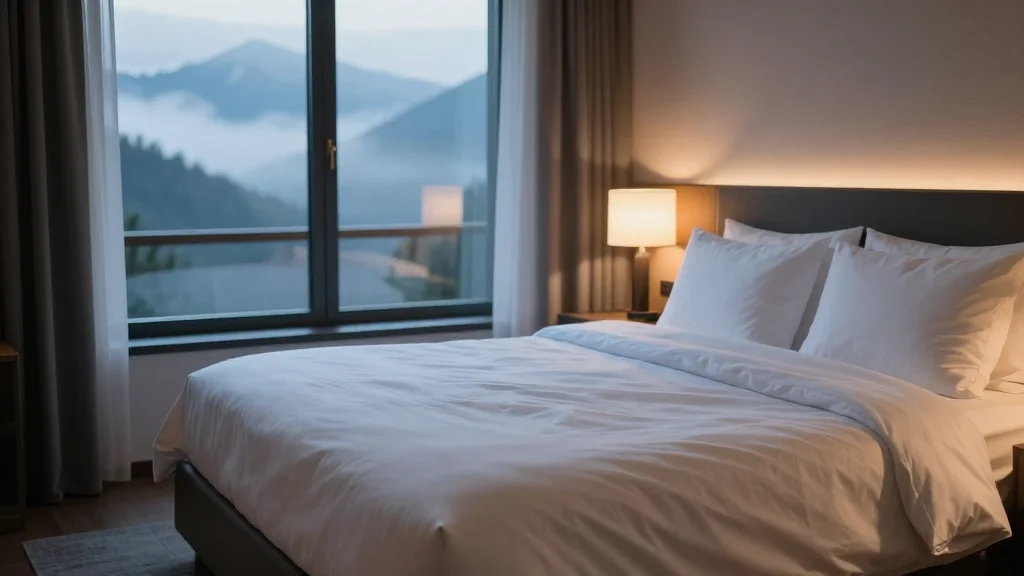
Sleep‑Focused Travel Booms as Tourists Pay Up for Restful Getaways

Why It Matters
Sleep‑focused travel taps into a universal health need, turning a chronic public‑health issue into a lucrative revenue stream for the hospitality sector. By monetizing better rest, hotels can differentiate themselves in an increasingly crowded wellness market, while travelers gain measurable health benefits that extend beyond the vacation itself. The trend also pressures industry standards, prompting calls for certification and evidence‑based practices that could elevate overall service quality. If the niche matures, it could reshape travel planning, with itineraries built around circadian rhythms and recovery windows rather than traditional attractions. This shift may influence airline scheduling, city‑wide lighting policies, and even insurance products that reward restorative travel experiences, creating a ripple effect across the broader tourism ecosystem.
Key Takeaways
- •Travelers are paying thousands of dollars for sleep‑focused retreats in locations like Füssen, Bavaria, the Himalayas and Bali.
- •Certified "sleep hosts" enforce standards such as blackout curtains, low‑radiation rooms and curated pillow menus.
- •Aromatherapy expert Ina Schicker emphasizes scent‑based relaxation, saying "Peace lies in the scent."
- •Owner Andreas Eggensberger notes "The body regenerates better in a low‑radiation environment," highlighting a scientific angle.
- •Sleep tourism is driving higher ADRs and new ancillary revenue streams for hotels worldwide.
Pulse Analysis
The emergence of sleep tourism reflects a broader consumer pivot toward health‑centric experiences, a trend accelerated by pandemic‑induced awareness of mental and physical well‑being. Historically, wellness travel has been dominated by spa treatments and fitness programs; sleep adds a quantifiable, science‑backed benefit that resonates with a wider audience. Early adopters like the Biohotel Eggensberger are leveraging niche expertise to command premium pricing, a strategy that mirrors the luxury segment’s use of exclusivity to justify higher rates.
From a competitive standpoint, the niche lowers barriers to entry for boutique operators while challenging large chains to retrofit existing properties. The lack of a unified certification framework creates both risk and opportunity: brands that develop credible standards could capture market share and set industry benchmarks, whereas unregulated providers risk consumer backlash if promised outcomes fall short. As data on sleep health becomes more accessible through wearables, we can expect a feedback loop where measurable improvements drive repeat bookings and word‑of‑mouth growth.
Looking ahead, sleep tourism could integrate with broader health‑tech ecosystems, offering bundled packages that include pre‑trip sleep assessments, in‑stay monitoring, and post‑stay follow‑up care. Such integration would deepen the value proposition, turning a single vacation into a longitudinal health intervention. For investors, the sector presents a high‑growth, high‑margin opportunity, but success will hinge on the ability to substantiate claims with rigorous research and to scale the “sleep guide” model without diluting quality.
Sleep‑Focused Travel Booms as Tourists Pay Up for Restful Getaways
Comments
Want to join the conversation?
Loading comments...