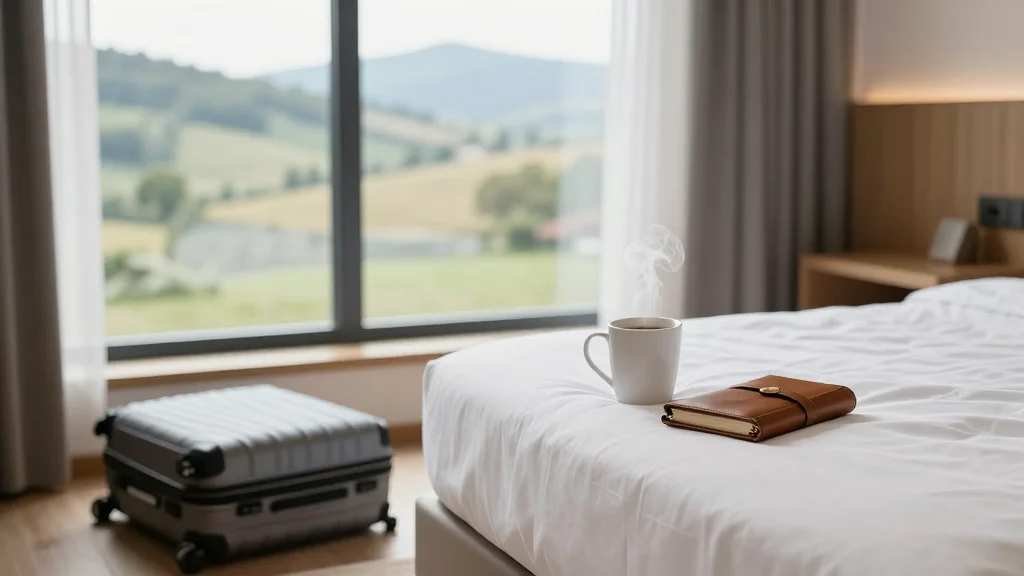
Slow Travel Surges as Americans Ditch Whirlwind Vacations

Companies Mentioned

Why It Matters
The rise of slow travel reshapes revenue models across the tourism ecosystem. Hotels that once relied on high‑turnover, short‑stay guests must now compete with vacation‑rental platforms offering week‑long stays, while airlines may need to rethink pricing structures that favor frequent, short hops. Moreover, the trend aligns with broader sustainability goals; longer stays reduce per‑day carbon footprints and support local economies through deeper engagement. For policymakers, the shift highlights the importance of supporting remote‑work infrastructure and flexible visa regimes. As more Americans blend work and leisure, destinations that can provide reliable internet, coworking spaces, and extended‑stay accommodations will capture a growing share of tourism spend, potentially revitalizing regions that previously depended on short‑term visitor spikes.
Key Takeaways
- •Google 2026 data shows a 100% month‑over‑month rise in searches for “slow travel Italy.”
- •Bookings for U.S. trips longer than eight days grew 19% year‑over‑year.
- •The share of travelers identifying as slow travelers rose to 26% in 2026, per the European Travel Commission.
- •91% of Vrbo respondents favor trips focused on rest, nature and meaningful experiences.
- •Vietnam’s heritage rail and “Main Character Planning Energy” illustrate a global appetite for slower, immersive travel.
Pulse Analysis
Slow travel’s ascent reflects a deeper cultural recalibration. After years of hyper‑connected, fast‑paced tourism, travelers are now seeking authenticity and mental reprieve, a pattern that mirrors broader wellness trends. The convergence of remote work and digital‑nomad visas effectively removes the traditional time‑budget constraint, allowing consumers to allocate leisure days more flexibly. This structural change forces the hospitality sector to pivot from volume‑based models to value‑based offerings that emphasize comfort, community integration, and work‑friendly amenities.
Historically, tourism booms have been tied to low‑cost carrier expansions and the rise of budget hotels, both of which encouraged rapid, multi‑city itineraries. The current slowdown reverses that trajectory, potentially stabilizing demand for mid‑tier and boutique properties that can deliver localized experiences. Airlines may respond by bundling longer‑stay fare options, similar to “open‑jaw” tickets but with built‑in flexibility for remote work days. Meanwhile, destinations that invest in sustainable infrastructure—such as the heritage rail in Vietnam—stand to attract a higher‑spending, longer‑duration clientele.
Looking ahead, the durability of slow travel will hinge on three variables: the permanence of remote‑work policies, the evolution of travel‑related inflation, and the ability of the industry to innovate around extended stays. If employers continue to endorse flexible schedules, and if airlines and hotels can price longer stays competitively, the slow‑travel wave could become a defining feature of post‑pandemic tourism, reshaping everything from airline route planning to city‑level economic development strategies.
Slow Travel Surges as Americans Ditch Whirlwind Vacations
Comments
Want to join the conversation?
Loading comments...