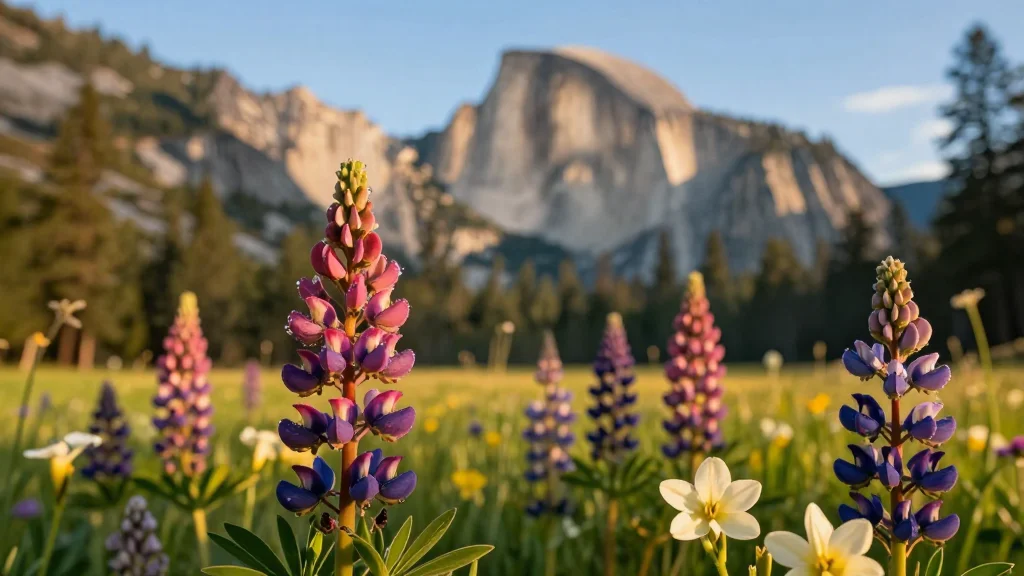
Snow Plants And Pussy Paws: A Guide To Spring Wildflowers In Yosemite National Park
Why It Matters
The bloom season drives a significant surge in tourism revenue and reinforces Yosemite’s reputation as a premier natural destination, while also spotlighting the need for sustainable visitor management amid climate variability.
Key Takeaways
- •Wildflower season runs March‑August, varies by elevation
- •Lower elevations host poppies, lupines, redbuds, and more
- •High elevations feature snow plants, lilies, orchids at Glacier Point
- •Prime viewing spots: Wapama Falls, Wawona Meadow Loop, McGurk Meadow
- •Yosemite’s UNESCO status highlights its diverse flora
Pulse Analysis
Spring in Yosemite transforms the park into a living palette, where elevation dictates the timing and composition of wildflower carpets. At lower altitudes, early‑season rains coax poppies, spider lupines and fiddlenecks into bloom, while later weeks introduce milkweed, western azaleas and goldenrods. Higher up, melting snow reveals hardy snow plants, mountain pennyroyals and delicate orchids along Glacier Point Road. Understanding these micro‑climates helps visitors plan optimal trail routes and photographers capture peak colors without crowding fragile habitats.
The floral spectacle translates directly into economic uplift for surrounding communities. Hotels, guided tour operators and local retailers report occupancy spikes of 30‑40 percent during peak bloom weeks, as travelers flock for photo‑ops and nature‑based recreation. This influx supports seasonal employment and sustains small businesses that cater to hikers, cyclists and families. Moreover, the park’s UNESCO designation amplifies its global appeal, positioning Yosemite as a benchmark for biodiversity tourism and encouraging investment in conservation‑focused infrastructure.
For savvy travelers, timing and preparation are key. Check the National Park Service’s elevation‑specific bloom forecasts, pack layered clothing for rapid temperature shifts, and adhere to leash and trail etiquette to protect sensitive plant zones. Sustainable practices—such as staying on designated paths and limiting group size—help preserve the delicate ecosystems that underpin the wildflower display. As climate change alters snowpack and precipitation patterns, adaptive management will be essential to maintain Yosemite’s iconic spring blooms for future generations.
Snow Plants And Pussy Paws: A Guide To Spring Wildflowers In Yosemite National Park
Comments
Want to join the conversation?
Loading comments...