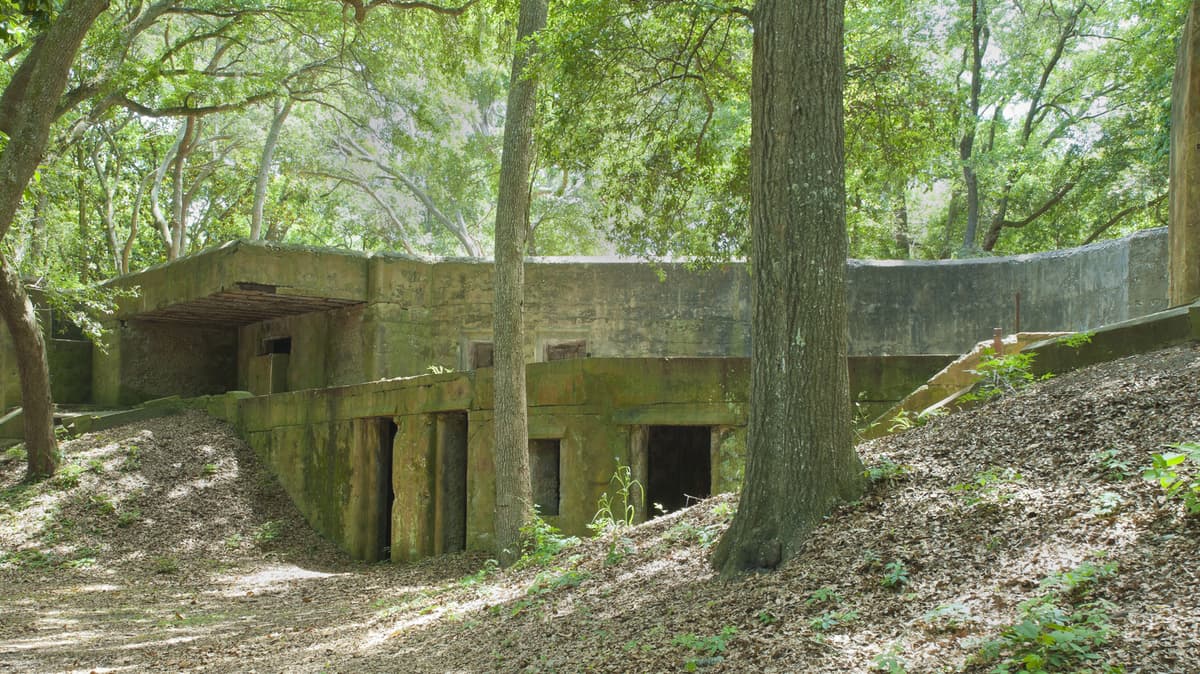
South Carolina's Abandoned Military Fort On The Coast Is Now A Historic Preserve With A Scenic Beach
Companies Mentioned
Why It Matters
The preserve safeguards a rare example of turn‑of‑the‑century coastal defense architecture while bolstering regional tourism, linking heritage conservation to economic growth in the South Carolina Lowcountry.
Key Takeaways
- •Fort Fremont built 1899, never saw combat, decommissioned 1911
- •Preserve spans 15 acres on St. Helena Island, includes historic center
- •Two concrete batteries feature disappearing guns with eight‑mile range
- •Free museum tours run Saturdays; beach access offers secluded shoreline
Pulse Analysis
Fort Fremont’s transformation from a dormant military outpost into a public historic preserve reflects a broader shift toward repurposing obsolete defense sites for cultural tourism. The fort was part of a six‑point coastal network erected after the 1898 Spanish‑American War, embodying the era’s cutting‑edge artillery technology, including disappearing guns that could fire eight miles offshore. Though the batteries never engaged an enemy, their concrete structures remain a tangible reminder of late‑19th‑century strategic thinking and the United States’ expanding maritime ambitions.
Lowcountry visitors now experience the juxtaposition of rugged military ruins against the gentle backdrop of Port Royal Sound. The free‑admission Fort Fremont History Center, open three days a week, offers docent‑led tours that contextualize the fort’s design and its role in regional defense. Adjacent Lands End Beach provides a tranquil, less‑crowded shoreline, adding natural appeal to the historical draw. Together, these assets diversify Beaufort’s tourism portfolio, which traditionally leans on golf resorts and nature preserves, and generate modest revenue for local businesses through guided tours, souvenir sales, and ancillary services.
Preserving Fort Fremont aligns with national trends emphasizing adaptive reuse of historic military infrastructure. By maintaining the site’s original architecture while integrating educational programming, the preserve serves as a living classroom for scholars, students, and heritage enthusiasts. Its success may inspire similar initiatives along the Atlantic seaboard, where dozens of neglected forts could be converted into economic catalysts that celebrate American military history without compromising environmental stewardship. The site’s blend of authenticity and accessibility underscores the value of heritage tourism in fostering community identity and sustainable growth.
South Carolina's Abandoned Military Fort On The Coast Is Now A Historic Preserve With A Scenic Beach
Comments
Want to join the conversation?
Loading comments...