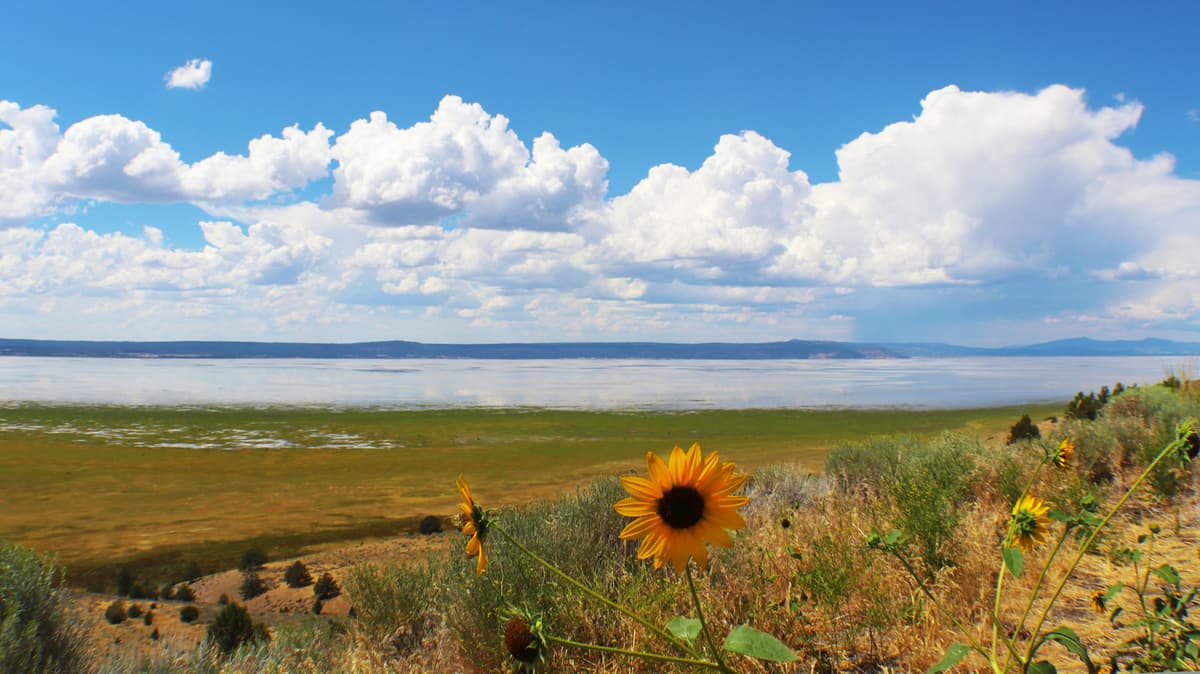
Southern Oregon's Saltwater Lake Is A Remote Basin With Migrating Birds And Stunning Mountain Views
Why It Matters
Lake Abert’s health directly influences a critical stopover for millions of migratory birds, linking regional water policy to broader biodiversity and ecosystem services. Its preservation showcases how collaborative water‑management can balance agricultural needs with wildlife conservation in arid western landscapes.
Key Takeaways
- •Lake Abert is Oregon's sole hypersaline lake, spanning 15 miles.
- •Supports up to 200 bird species on the Pacific Flyway each migration.
- •Water levels depend on Chewaucan River flows, often diverted for irrigation.
- •ONDA collaborates with ranchers and tribes to preserve lake habitat.
- •Rising salinity threatens brine shrimp, the primary food for migratory birds.
Pulse Analysis
The rarity of hypersaline lakes in the western United States gives Lake Abert a unique ecological niche. Unlike typical freshwater reservoirs, its high salinity supports brine shrimp and alkali flies, which form the base of a food web that sustains hundreds of bird species during their long‑range migrations. This specialized habitat underscores the lake’s importance not just for regional birders but for the continental Pacific Flyway, a corridor that moves an estimated one billion birds each year.
Water management in the high‑desert is a delicate balancing act. The Chewaucan River supplies the bulk of Lake Abert’s inflow, yet much of its flow is diverted for irrigation in a region where agriculture competes fiercely for scarce water. When river releases drop, lake levels recede, salinity spikes, and the shrimp population collapses, jeopardizing the birds that rely on them. This dynamic mirrors broader western water‑rights challenges, where climate variability and growing demand intensify conflicts between agricultural productivity and ecological preservation.
Stakeholder collaboration offers a pragmatic path forward. The Oregon Natural Desert Association has convened ranchers, Indigenous tribes, environmental NGOs, and state officials to develop water‑sharing agreements that keep sufficient inflow for the lake while sustaining agricultural output. Such cooperative frameworks could serve as a model for other arid basins facing similar pressures, demonstrating that protecting critical wildlife habitats need not come at the expense of local economies. By securing Lake Abert’s water balance, the region safeguards a vital migratory waypoint and reinforces the resilience of the broader Pacific Flyway ecosystem.
Southern Oregon's Saltwater Lake Is A Remote Basin With Migrating Birds And Stunning Mountain Views
Comments
Want to join the conversation?
Loading comments...