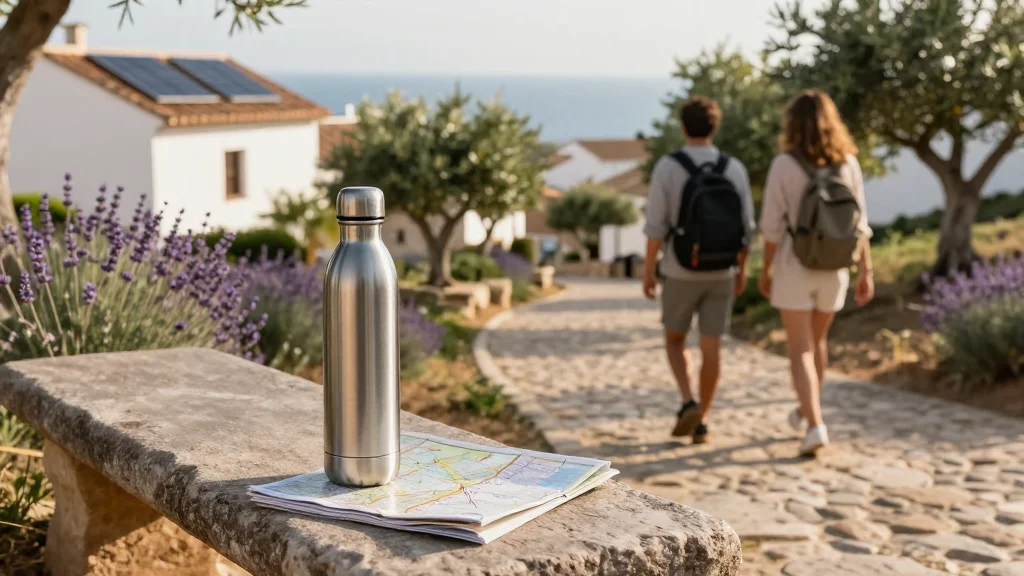
Spain Targets Sustainable Summer Tourism Boom While Guarding Ecosystems

Why It Matters
Spain’s dual focus on growth and sustainability could redefine how leading tourist economies manage post‑pandemic demand. By prioritizing quality visits and geographic dispersion, the country aims to protect its natural and cultural assets, ensuring that tourism remains a reliable source of jobs and foreign exchange without eroding the very attractions that draw visitors. If successful, the blueprint offers a replicable path for other destinations facing overtourism pressures, potentially reshaping global travel norms toward more responsible, experience‑driven tourism. The strategy also signals to investors and operators that sustainability is becoming a core component of profitability in travel. Hotels, airlines and tour operators may need to adapt product offerings, pricing and marketing to align with longer stays and higher spend, while governments could see increased justification for funding green infrastructure and community‑focused initiatives.
Key Takeaways
- •Spain projects a strong summer season driven by pent‑up demand and improved connectivity.
- •Tourism strategy shifts from visitor volume to quality tourism—longer stays and higher spend.
- •Authorities promote lesser‑known regions to distribute tourist flows and protect hotspots.
- •The plan incorporates carrying‑capacity limits and sustainable infrastructure investments.
- •Success could provide a model for other destinations balancing economic growth with environmental stewardship.
Pulse Analysis
Spain’s pivot reflects a broader industry maturation where the era of unchecked mass tourism is giving way to a nuanced, sustainability‑centric paradigm. Historically, destinations that chased headline visitor numbers often faced backlash—Barcelona’s protests, Mallorca’s beach erosion, Ibiza’s nightlife fatigue—all of which eroded brand equity and strained local services. By institutionalizing carrying‑capacity metrics and incentivizing longer, higher‑value trips, Spain is attempting to internalize the externalities that previously were ignored.
From a competitive standpoint, the move could reshape the European travel market. Countries that continue to rely on sheer volume may find themselves at a disadvantage as travelers increasingly value authentic, low‑impact experiences. Airlines and OTAs will likely adjust inventory and pricing models to favor multi‑day itineraries, while hospitality brands may invest in boutique properties that cater to the “experience over quantity” mindset.
Looking ahead, the real test will be data. If Spain can demonstrate that dispersed tourism yields comparable or higher revenue per capita without degrading ecosystems, the approach could become a new industry standard. Conversely, if economic pressures force a re‑version to volume‑driven tactics, the sustainability narrative may remain aspirational rather than operational. Stakeholders should monitor occupancy rates, average length of stay, and environmental impact indicators throughout the summer to gauge the plan’s efficacy and inform future policy across the travel sector.
Spain Targets Sustainable Summer Tourism Boom While Guarding Ecosystems
Comments
Want to join the conversation?
Loading comments...