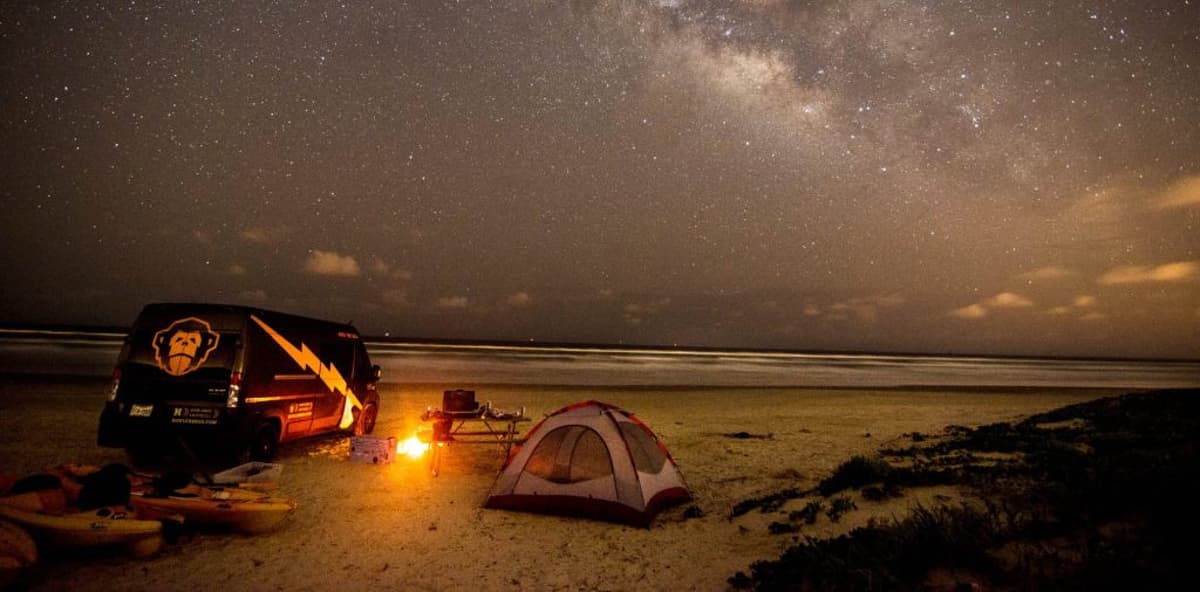
Stargazing on Mustang Island Has Galactic Appeal
Why It Matters
Dark‑sky initiatives protect marine wildlife navigation and boost tourism revenue, making coastal parks valuable economic and environmental assets. Community outreach at Mustang Island raises public awareness of light‑pollution impacts and supports broader conservation policies.
Key Takeaways
- •Mustang Island offers unobstructed horizon for low‑angle celestial viewing
- •Ranger Ben Taylor uses red lighting to preserve night‑vision for attendees
- •Dark‑sky preservation benefits tourism, wildlife navigation, and reduces energy costs
- •Texas coastal parks host peak meteor showers from August to October
- •Community events raise awareness of light pollution and coastal ecosystem health
Pulse Analysis
Stargazing tourism is emerging as a niche yet lucrative segment of outdoor recreation, and Texas’ Gulf Coast is uniquely positioned to capitalize on it. Mustang Island State Park provides an oceanic backdrop that eliminates horizon obstructions, allowing observers to track planets and constellations that sit low on the horizon. This geographic advantage, combined with organized events like "Stargazing by the Shore," attracts both local enthusiasts and out‑of‑state visitors seeking a night sky free from the light domes that plague inland urban areas. The resulting foot traffic supports park concessions, local hospitality businesses, and creates ancillary revenue streams tied to astronomy gear rentals and guided tours.
Beyond the economic upside, preserving dark skies serves critical ecological functions. Sea‑turtle hatchlings, such as the endangered Kemp's ridley, rely on natural night darkness to navigate from nesting beaches to the ocean, while migratory birds use celestial cues for orientation. Excess artificial lighting disrupts these patterns, leading to higher mortality rates. By adopting red‑wavelength lighting and dimming protocols, parks reduce energy consumption and lower operational costs, delivering a clear financial incentive alongside the environmental benefit. These practices align with broader state initiatives aimed at curbing light pollution, reinforcing Texas’ commitment to sustainable coastal management.
Looking ahead, the Texas coast will host several major meteor showers—including the Lyrids, Perseids, and Orionids—offering prime viewing opportunities that can be leveraged for seasonal marketing campaigns. Community‑driven events, like those led by Ranger Taylor, not only educate the public about the value of dark skies but also foster a stewardship ethic that can influence municipal lighting ordinances. As awareness grows, partnerships between park agencies, local governments, and private sponsors could expand infrastructure for night‑time recreation, positioning Texas as a national leader in dark‑sky tourism while safeguarding its unique marine ecosystems.
Stargazing on Mustang Island Has Galactic Appeal
Comments
Want to join the conversation?
Loading comments...