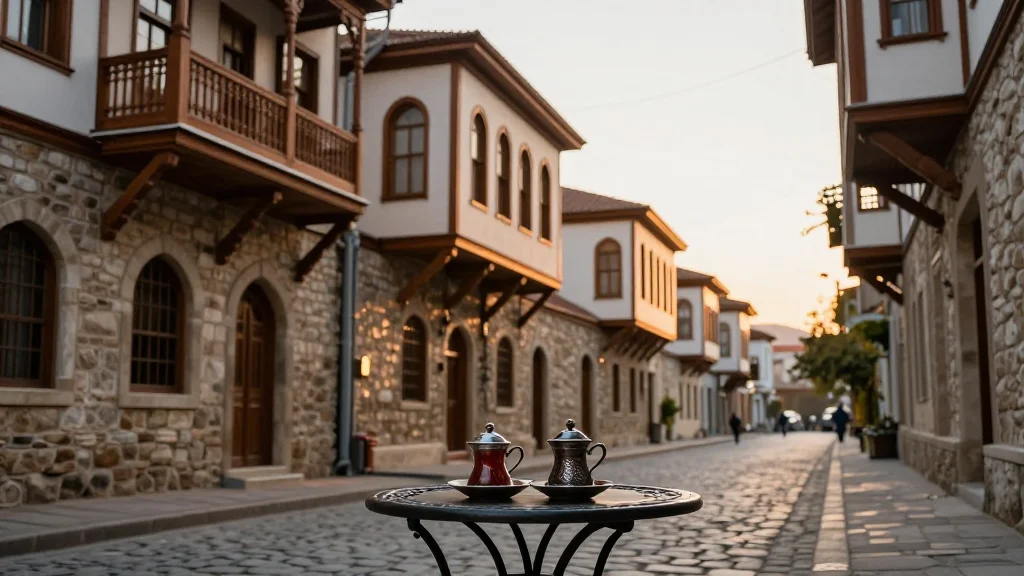
Tbilisi’s UNESCO‑Listed Ensemble Draws Travelers with Eastern Architectural Fusion

Why It Matters
The ensemble’s popularity underscores the power of heritage tourism to stimulate economic growth in emerging destinations. By preserving and showcasing its unique architectural tapestry, Georgia not only safeguards cultural identity but also creates sustainable revenue streams for local communities. Moreover, the site’s success highlights a broader trend: travelers increasingly seek authentic, story‑rich experiences. Tbilisi’s blend of Eastern and Western influences offers a compelling narrative that differentiates it from more conventional European capitals, positioning the city as a must‑visit on the global travel radar.
Key Takeaways
- •UNESCO‑listed Old Town ensemble protected since 1976
- •Founded in the 5th century by King Vakhtang Gorgasali
- •Shows Byzantine, Persian and European architectural styles
- •Major tourist draw fueling hotels, restaurants and souvenir shops
- •Ongoing restoration funded by Georgian government, UNESCO and partners
Pulse Analysis
Heritage sites like Tbilisi’s UNESCO ensemble are becoming linchpins in the post‑pandemic travel rebound. Travelers are gravitating toward destinations that offer depth beyond surface‑level sightseeing, and Tbilisi’s layered architecture satisfies that demand. The city’s strategic investments in digital tour technologies mirror a global shift toward hybrid experiences that blend physical presence with virtual storytelling, enhancing visitor engagement while protecting vulnerable structures.
Economically, the ensemble illustrates how cultural assets can diversify a nation’s tourism portfolio. Georgia has traditionally marketed its wine routes and natural landscapes; the Old Town adds an urban, historical dimension that appeals to a different traveler segment. This diversification reduces reliance on any single attraction type and spreads economic benefits across a broader range of local enterprises.
Looking forward, the key challenge will be balancing visitor growth with conservation. Over‑tourism can erode the very authenticity that draws tourists. Tbilisi’s proactive approach—integrating augmented‑reality guides, limiting access to fragile interiors, and involving community artisans—offers a blueprint for other cities seeking to leverage heritage without compromising it. If managed wisely, the ensemble can sustain its allure and continue to drive economic vitality for Georgia’s travel sector.
Tbilisi’s UNESCO‑Listed Ensemble Draws Travelers with Eastern Architectural Fusion
Comments
Want to join the conversation?
Loading comments...