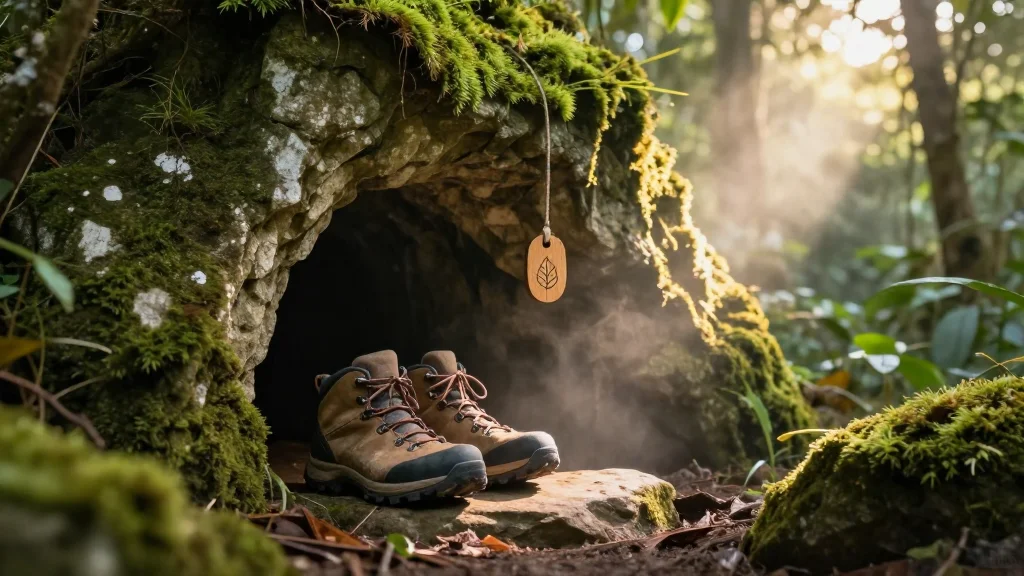
Thailand’s Naka Cave Reopens After Ecological Rest, Launches Green‑Season Hiker Rewards

Why It Matters
The reopening of Naka Cave illustrates how targeted eco‑tourism incentives can revive local economies while safeguarding natural resources. By limiting daily visitor numbers and tying rewards to sustainable behavior, Thailand is testing a model that could be replicated across the region, helping destinations manage the surge of nature‑seeking travelers without degrading the very attractions that draw them. Moreover, the campaign taps into the growing “green days off” movement, signaling that travelers are willing to align leisure with environmental stewardship. If successful, the approach could shift industry standards, encouraging governments and operators to embed conservation metrics into promotional offers and reward structures.
Key Takeaways
- •Naka Cave reopened on June 1, 2026 after a month‑long ecological rest.
- •First 100 hikers receive a wristband redeemable for a limited‑edition souvenir pack.
- •Daily visitor cap set at 1,000 to protect the cave’s fragile ecosystem.
- •TAT’s #First100StayAndTravel campaign adds 100 extra souvenir rewards for extended stays.
- •Chief Akson Manawong highlighted the monsoon’s visual impact on the limestone formations.
Pulse Analysis
Thailand’s decision to pair a hard‑cap visitor limit with exclusive, non‑commercial souvenirs reflects a nuanced shift from mass tourism toward experience‑driven, low‑impact travel. Historically, the country’s most popular natural sites—such as Maya Bay and Ang Thong Marine Park—have suffered from overtourism, prompting temporary closures and costly rehabilitation. Naka Cave’s reopening demonstrates a proactive stance: rather than waiting for degradation to force a shutdown, authorities are embedding conservation into the visitor journey from day one.
The reward‑based model also leverages scarcity psychology, turning eco‑friendly behavior into a status symbol. By limiting the souvenir pack to 2026 and tying it to a physical achievement (reaching the summit), TAT creates a viral hook that can amplify word‑of‑mouth promotion on social platforms. This could attract a higher‑spending demographic that values authenticity and is willing to pay a premium for unique, responsibly sourced memorabilia.
Looking ahead, the key test will be scalability. If the Naka Cave pilot maintains ecological health while delivering measurable economic uplift for Bueng Kan’s hotels, eateries, and transport services, other parks may adopt similar frameworks. However, the model hinges on rigorous monitoring, transparent reporting, and community buy‑in—elements that have faltered in past Thai eco‑tourism initiatives. Success will depend on the ability of park rangers and local stakeholders to enforce limits without alienating tourists, a delicate balance that could redefine sustainable tourism standards across Southeast Asia.
Thailand’s Naka Cave Reopens After Ecological Rest, Launches Green‑Season Hiker Rewards
Comments
Want to join the conversation?
Loading comments...