The 5 Best Island Getaways To Visit On America's Great Lakes, According To Research
•March 12, 2026
0
Why It Matters
These destinations illustrate untapped tourism potential within the United States, driving regional economic growth. The islands diversify travel options beyond traditional coastal resorts, appealing to adventure‑seeking and heritage‑focused travelers.
Key Takeaways
- •Isle Royale offers car‑free wilderness in a national park
- •Mackinac Island draws over one million visitors annually
- •Kelleys Island features glacial grooves and fewer crowds
- •Wellesy Island accessible by car, includes Boldt Castle nearby
- •Selection based on one island per Great Lake, U.S. side
Pulse Analysis
The Great Lakes region has long been celebrated for its industrial might, yet its archipelagic landscape remains a hidden gem for leisure travelers. With more than 32,000 islands scattered across five freshwater seas, the area offers a spectrum of experiences—from rugged backcountry expeditions to polished historic towns. Recent travel trends favor off‑the‑beaten‑path destinations, and these islands provide low‑density, nature‑rich alternatives that appeal to post‑pandemic vacationers seeking both safety and authenticity.
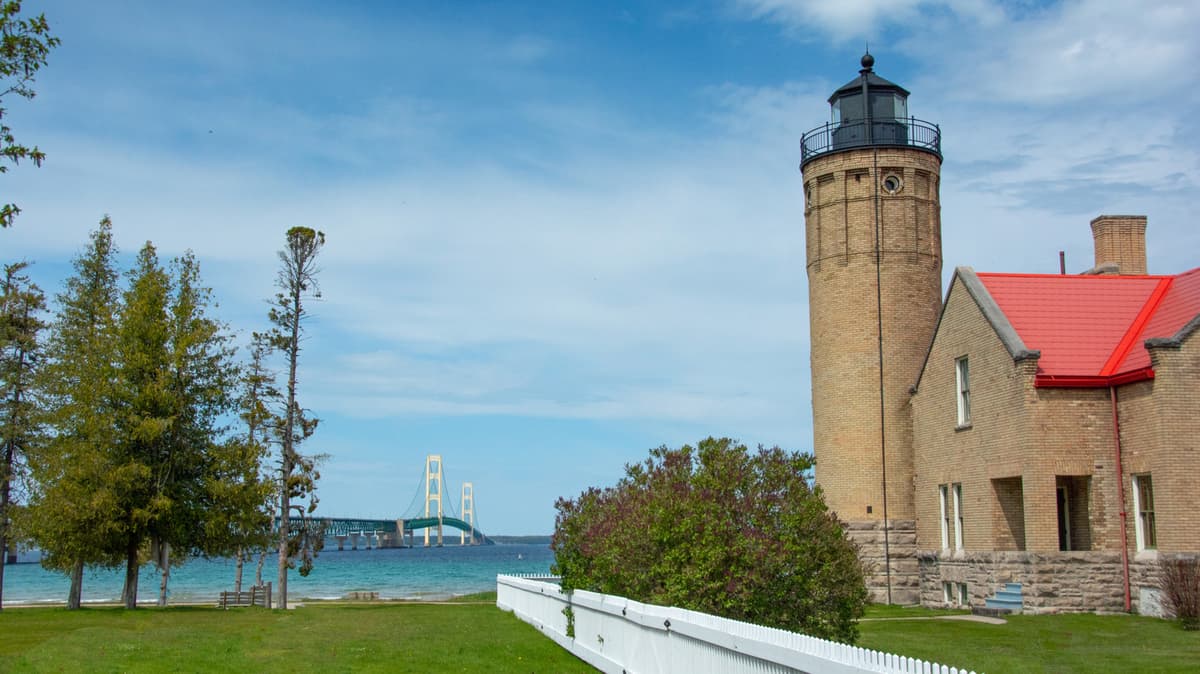
Each of the five highlighted islands delivers a distinct value proposition. Isle Royale’s car‑free national park status creates an immersive wilderness retreat, while Beaver Island balances rustic charm with modest amenities such as museums and local eateries. Mackinac Island leverages its historic forts and horse‑drawn carriage culture to attract over a million visitors each summer, positioning it as a cultural hotspot. Kelleys Island’s glacial grooves and quieter beaches cater to eco‑tourists, and Wellesley Island’s road‑accessible layout, coupled with attractions like Boldt Castle, makes it a convenient gateway for cross‑border travelers. Together, they showcase the diverse recreational portfolio—hiking, scuba diving among shipwrecks, biking, and heritage tours—available across the lakes.
For the tourism industry, promoting these islands can stimulate peripheral economies, generate seasonal employment, and encourage sustainable travel practices. Investment in ferry infrastructure, eco‑lodging, and digital marketing can amplify visibility while preserving the delicate ecosystems that define each locale. As travelers increasingly prioritize experiential and environmentally responsible vacations, the Great Lakes islands are poised to become a cornerstone of domestic tourism strategy, offering both economic uplift and a fresh narrative for America’s inland leisure market.
The 5 Best Island Getaways To Visit On America's Great Lakes, According To Research
0
Comments
Want to join the conversation?
Loading comments...