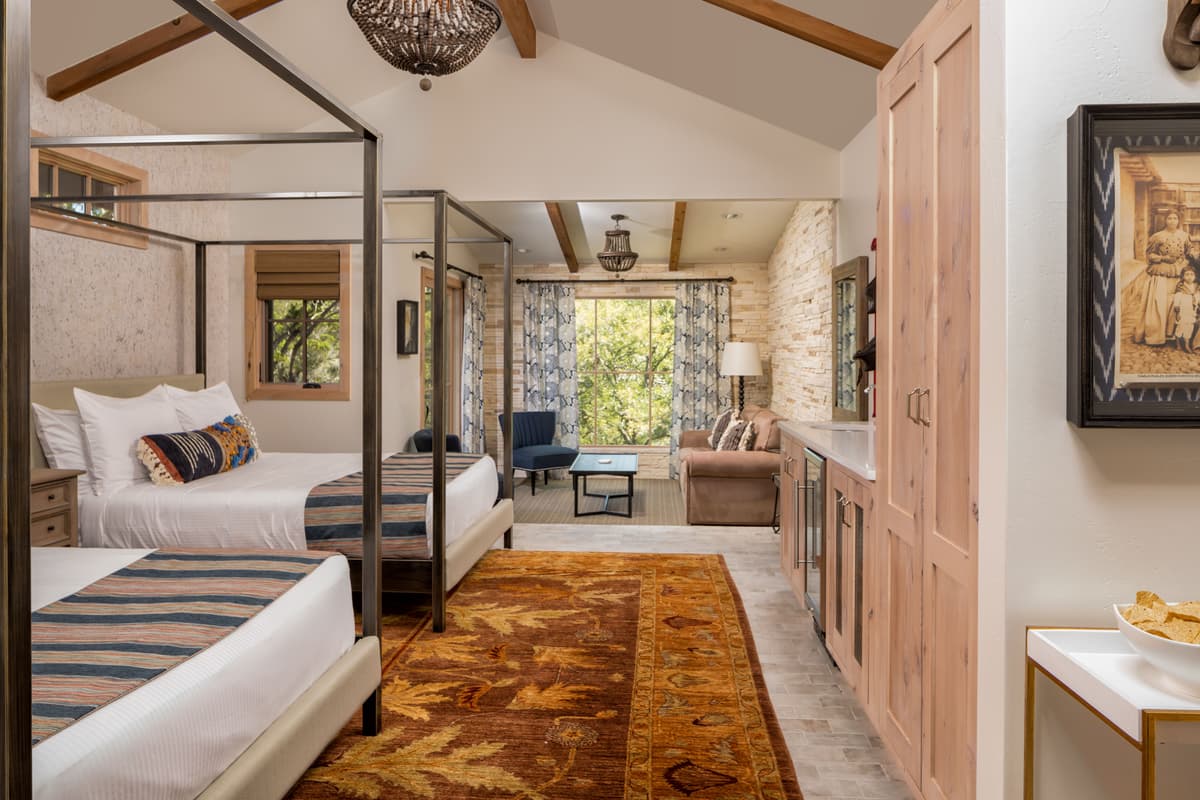
The Best Hotels in Austin for Foodies, Fashionistas, and Formula One Chasers
Why It Matters
Austin’s hotel boom fuels tourism revenue and supports the city’s growing reputation as a premier conference and entertainment hub, attracting both leisure and business travelers.
Key Takeaways
- •Austin’s hotel scene blends boutique flair with luxury amenities.
- •Diverse options cater to families, foodies, and event attendees.
- •Proximity to festivals drives demand for downtown properties.
- •Historic venues like The Driskill attract heritage tourism.
- •Newer concepts emphasize wellness and experiential stays.
Pulse Analysis
Austin’s hospitality sector is undergoing a renaissance, driven by the city’s surge in tech jobs, cultural festivals, and a burgeoning culinary scene. Investors are channeling capital into boutique properties that marry local authenticity with high‑end design, a trend exemplified by Hotel ZaZa’s pop‑art lobby and the Loren’s lake‑front skyline views. This blend of experiential luxury and regional flair appeals to millennial and Gen Z travelers who prioritize Instagram‑ready moments as much as comfort, positioning Austin alongside other U.S. hotbeds like Nashville and Denver for lifestyle tourism.
The city’s calendar of marquee events—SXSW, Austin City Limits, and the newly added Formula One Grand Prix—creates a predictable demand spike that hotels leverage through tailored packages and event‑centric amenities. Downtown assets such as the Four Seasons and the LINE capitalize on walkability, offering on‑site dining, rooftop bars, and spa services that keep guests on‑property during high‑traffic weeks. Meanwhile, suburban retreats like Camp Lucy and Lake Austin Spa Resort cater to families and wellness seekers, diversifying the market and reducing reliance on a single visitor segment.
From a business perspective, Austin’s hotel expansion signals robust economic health and a competitive edge in the national hospitality arena. The mix of historic restorations, like the Driskill, and avant‑garde concepts, such as Hotel Magdalena, showcases a strategic focus on both heritage tourism and innovative guest experiences. As the city continues to attract corporate headquarters and remote‑work talent, occupancy rates are expected to stay strong, encouraging further investment in upscale and boutique accommodations that reflect Austin’s unique blend of creativity, tech, and Texas hospitality.
The Best Hotels in Austin for Foodies, Fashionistas, and Formula One Chasers
Comments
Want to join the conversation?
Loading comments...