Companies Mentioned
Why It Matters
Solo travelers now represent a fast‑growing, high‑spending segment, and cities that cater to their logistical and social needs can capture a lucrative niche in the post‑pandemic tourism market.
Key Takeaways
- •Naples offers 90 golf courses and dolphin cruises for solo guests
- •Boston’s walkable historic core and the T enable independent exploration
- •Boulder pairs mountain trailheads with Pearl Street’s pedestrian social hub
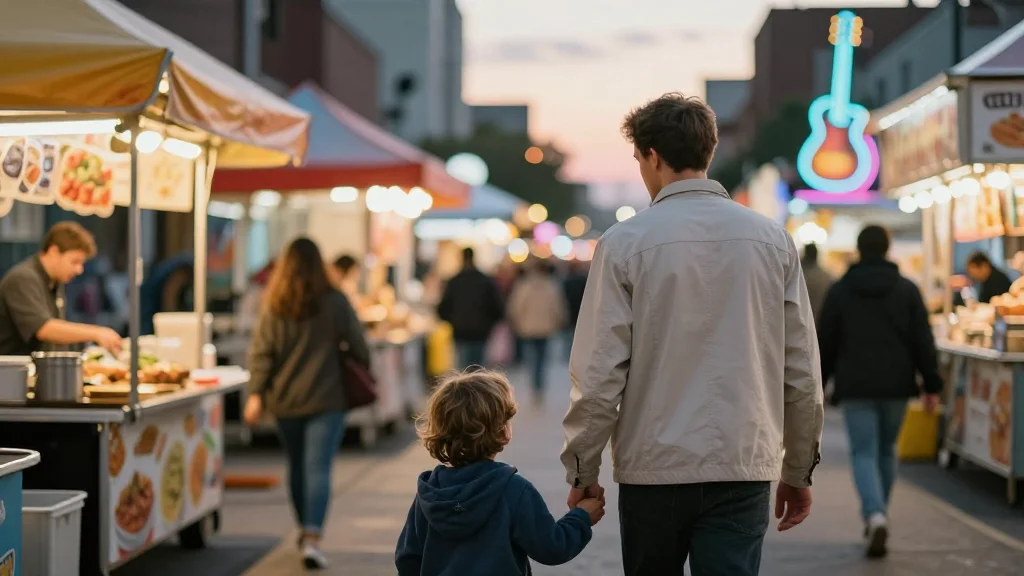
- •Portland’s food‑cart parks turn solo dining into a communal experience
- •San Francisco’s extensive transit makes solo navigation affordable and easy
Pulse Analysis
The solo‑travel market has surged in the past few years, driven by millennials and Gen Zers seeking flexible, self‑directed experiences. Industry analysts estimate that solo travelers now account for roughly 30% of domestic leisure trips, spending an average of $1,200 per trip—higher per‑person than group vacations because costs aren’t split. This shift forces destinations to rethink how they serve individuals, emphasizing safety, easy navigation, and built‑in social nodes that let travelers mingle without pre‑arranged tours.
Travel + Leisure’s 2026 list reflects a strategic blend of geography and infrastructure. Sun‑kissed Naples, Florida, leverages its compact size, abundant golf courses, and organized dolphin‑watch cruises to provide both solitary and group‑friendly activities. Boston’s dense historic districts and the T subway extend a walkable canvas that lets a lone explorer hop between museums, cafés and Cambridge’s academic vibe. Meanwhile, western and mountain cities like Boulder and Sedona showcase how proximity to nature—just minutes from downtown—creates a seamless transition from urban strolls to trailhead adventures, a formula that resonates with solo adventurers craving variety without a car.
For tourism boards, the takeaway is clear: invest in walkable streetscapes, reliable public transit and low‑threshold social venues such as food‑cart pods, breweries and community art walks. These elements lower the logistical friction that can deter solo visitors while fostering organic connections. Cities that integrate these features can expect higher occupancy rates in boutique hotels, increased spend at local eateries, and stronger word‑of‑mouth promotion on social platforms—key drivers for sustained growth in the solo‑travel economy.
The best U.S. cities for solo travelers in 2026
Comments
Want to join the conversation?
Loading comments...