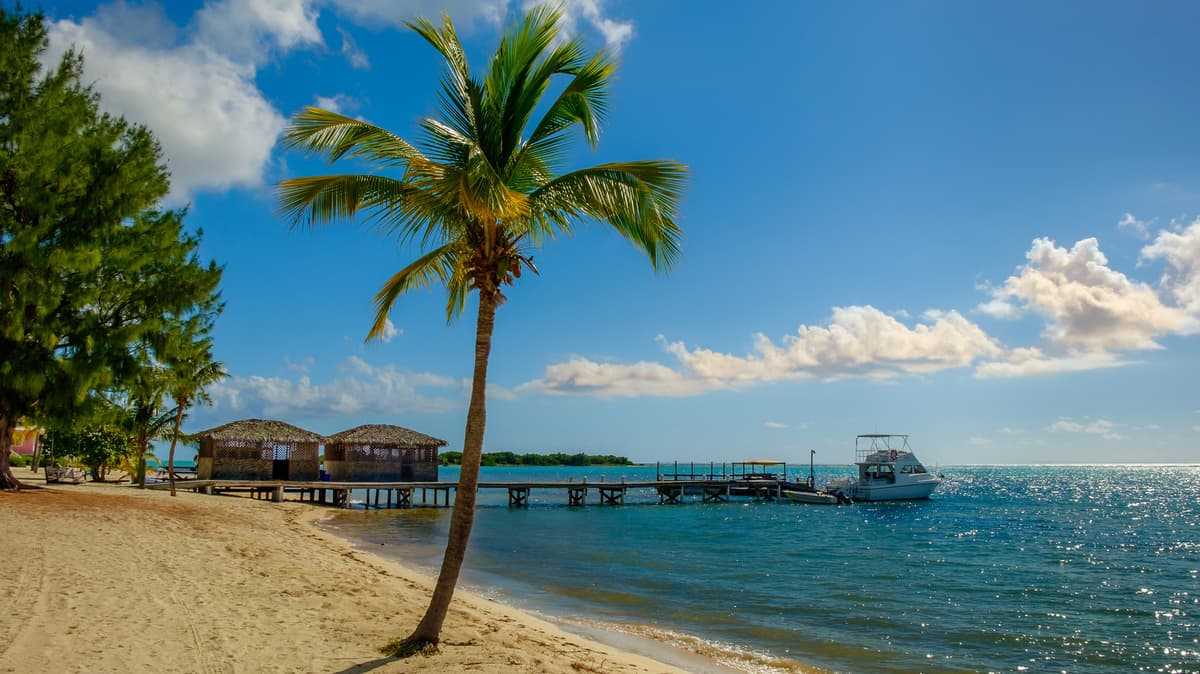
The Caribbean's Off-The-Beaten-Path Hidden Paradise Is Full Of Warm Beaches And Unspoiled Natural Beauty
Companies Mentioned
Why It Matters
Little Cayman’s niche, eco‑luxury model draws high‑spending travelers while preserving fragile ecosystems, creating profitable opportunities for boutique hospitality and marine‑tour operators. Its growth signals a shift toward sustainable Caribbean tourism that balances revenue with conservation.
Key Takeaways
- •Little Cayman offers boutique resorts with only 14 private bungalows
- •Booby Pond Reserve hosts ~4,000 red‑footed boobies and diverse wildlife
- •Bloody Bay Wall dive site reaches depths over 3,200 feet
- •Travel window December‑April provides low‑rain, 81‑85 °F water
- •Flights from Grand Cayman connect cities to Little Cayman in 35 minutes
Pulse Analysis
Little Cayman is emerging as the Caribbean’s premier eco‑luxury hideaway, appealing to travelers who value exclusivity and environmental stewardship. The island’s modest 10‑mile length and single‑track resorts mean guests are never far from the sea, yet the experience feels far removed from the high‑rise bustle of Grand Cayman. A short 35‑minute hop from the main island makes it logistically simple for U.S. travelers, while the December‑April window guarantees sunny, warm conditions ideal for snorkeling, kayaking, and beach lounging.
The real draw lies beneath the surface. Little Cayman’s reefs, protected by UNESCO, rank among the world’s most biodiverse, with Bloody Bay Wall offering vertical drops beyond 3,200 feet and crystal‑clear visibility. On land, reserves such as Booby Pond and Preston Bay safeguard thousands of red‑footed boobies, endangered rock iguanas, and seasonal sea‑turtle nesting sites. These natural assets not only enrich the visitor experience but also position the island as a case study in balancing tourism with habitat preservation, attracting researchers and conservation‑focused travelers alike.
For investors and local entrepreneurs, the island presents a high‑margin niche market. Boutique accommodations, guided dive tours, and specialized wildlife excursions command premium pricing, especially during the peak season. However, growth must be managed carefully to avoid overdevelopment that could jeopardize the very ecosystems that differentiate Little Cayman. Sustainable practices, such as limited lodging capacity and eco‑certified tour operators, will be critical in maintaining the island’s allure and ensuring long‑term economic resilience.
The Caribbean's Off-The-Beaten-Path Hidden Paradise Is Full Of Warm Beaches And Unspoiled Natural Beauty
Comments
Want to join the conversation?
Loading comments...