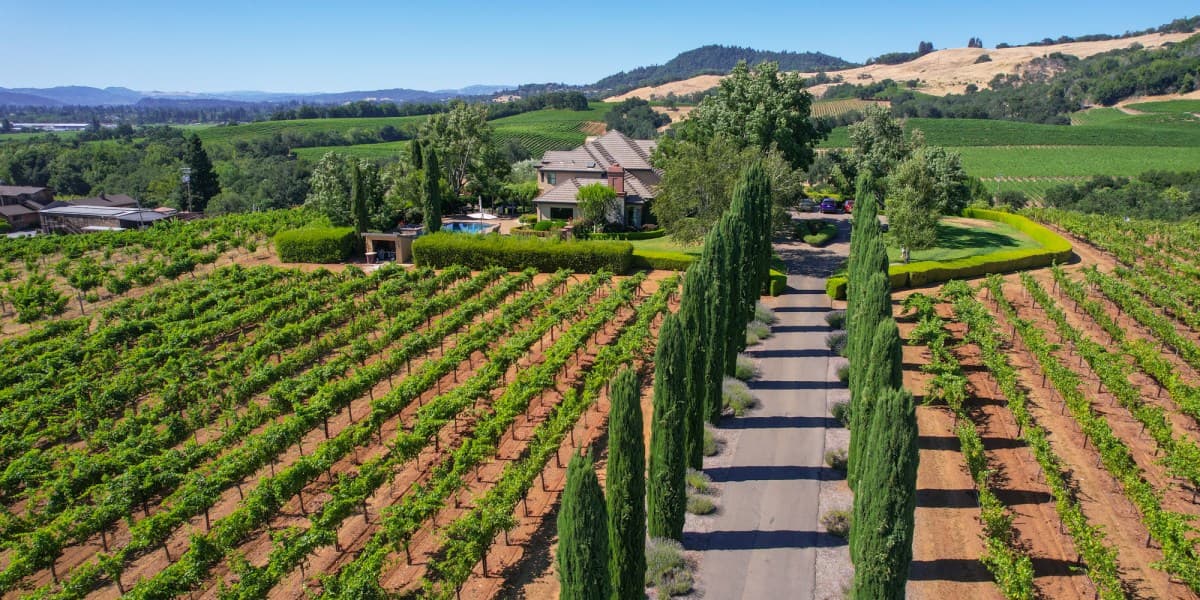
The Coolest Way to Stay in Wine Country? Checking Into One of These Wineries with Lodging
Why It Matters
Vineyard lodging creates higher per‑guest revenue and deepens brand loyalty, positioning wineries as destination experiences rather than mere tasting stops. It also differentiates the region in a competitive luxury‑travel market.
Key Takeaways
- •Vineyard lodging blends wine tasting with overnight immersion
- •Prices start around $1,000 per night, targeting affluent travelers
- •Properties offer private suites, villas, and club‑member exclusivity
- •Hosts provide curated experiences like meals, tours, and tastings
- •Trend reflects demand for authentic, restorative travel experiences
Pulse Analysis
The wine country market has long relied on day‑trip visitors, but the rise of on‑site lodging is reshaping revenue models. By converting tasting rooms into multi‑day destinations, wineries capture ancillary spend on accommodations, dining, and exclusive experiences. Industry analysts note that experiential travel now accounts for a growing share of luxury tourism budgets, and vineyard stays align perfectly with guests seeking immersion rather than transactional visits. This shift also leverages the premium perception of Napa and Sonoma, allowing producers to command rates comparable to boutique hotels.
Properties such as Limerick Lane Cellars and Bricoleur Vineyards illustrate how wineries are engineering full‑service retreats. Private villas and multi‑bedroom suites accommodate groups, while on‑property chefs craft farm‑to‑table meals paired with estate wines. Some estates reserve these spaces for high‑tier wine club members, reinforcing loyalty programs and encouraging repeat purchases. The added hospitality layer enhances brand storytelling, turning the vineyard’s terroir into a lived experience that can be marketed across digital channels and travel platforms.
Looking ahead, the integration of lodging into winery operations could intensify competition with traditional boutique hotels, prompting both sectors to innovate. Investors may see value in wineries that already own or lease lodging assets, as they can diversify income streams and mitigate seasonal fluctuations. For operators, focusing on personalized service—such as private tastings, curated tours, and wellness amenities—will be key to sustaining premium pricing and attracting the next generation of affluent travelers who prioritize authenticity and connection over conventional luxury.
The Coolest Way to Stay in Wine Country? Checking Into One of These Wineries with Lodging
Comments
Want to join the conversation?
Loading comments...