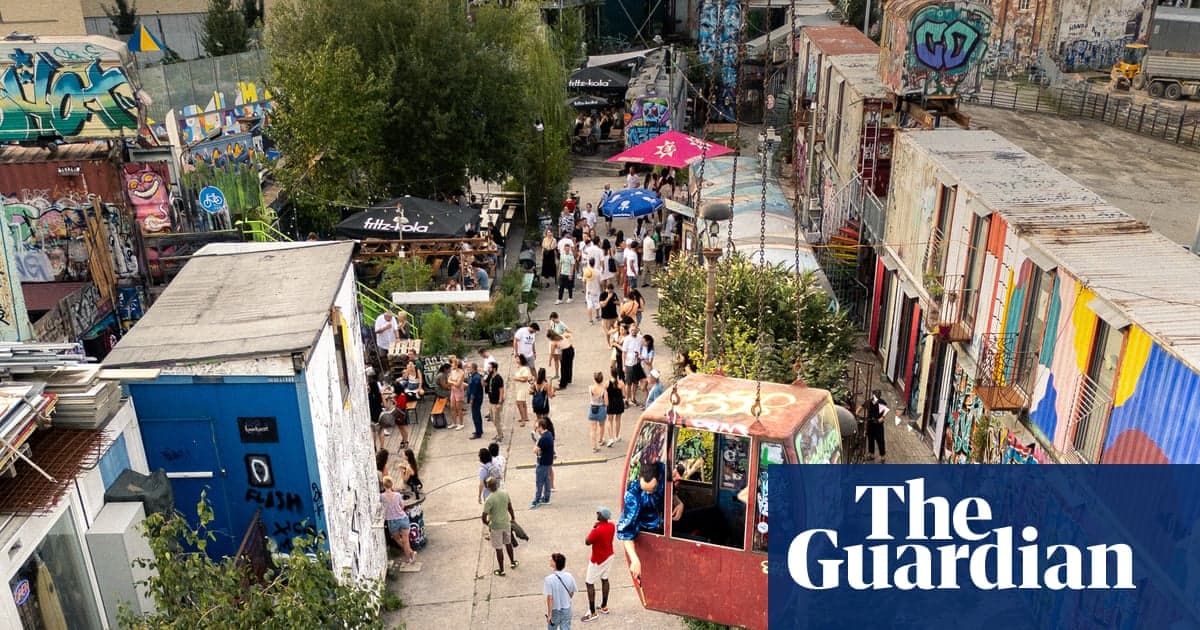
‘The Heart of Munich’s Underground Scene’: Exploring Edgy Schlachthofviertel
Why It Matters
The transformation illustrates how adaptive reuse can fuel cultural economies and reshape urban identity, positioning Munich as a model for sustainable, creative district revitalization. It also signals rising demand for alternative tourism experiences beyond traditional Oktoberfest venues.
Key Takeaways
- •Münchner Volkstheater moved to Schlachthofviertel in 2021, boosting cultural profile
- •Bahnwärter Thiel repurposes shipping containers into a 24‑hour underground club
- •Female‑run café Mari offers Korean tofu breakfast in historic Albert Einstein street
- •Alte Utting, rescued ship, now a bar on a bridge
- •Cocoon Theresienwiese hotel rooms start around $87, catering to Oktoberfest visitors
Pulse Analysis
The Schlachthofviertel’s rebirth is a textbook case of urban regeneration through adaptive reuse. Originating as a municipal slaughterhouse after the 1870s cholera epidemic, the site’s expansive, underutilized spaces have become fertile ground for entrepreneurs. By converting shipping containers into pop‑up bakeries, cafés, and a 24‑hour techno venue, the district leverages low‑cost infrastructure while preserving its industrial character. This approach aligns with broader European trends where heritage sites are reimagined as cultural incubators, reducing demolition waste and attracting creative talent.
Cultural institutions are the catalyst behind the area’s rising profile. The Münchner Volkstheater’s 2021 move injected a steady stream of performances, festivals, and youth poetry slams, drawing audiences that spill over into nearby bars and eateries. The symbiotic relationship between the theatre and venues like Bahnwärter Thiel creates a 24‑hour ecosystem where artists, craftsmen, and visitors intersect. While the influx fuels economic activity, it also raises gentrification concerns, prompting local stakeholders to balance affordability with growth.
For tourists, Schlachthofviertel offers an alternative to Munich’s conventional attractions. Culinary innovators such as Mari serve Korean‑inspired tofu breakfasts, and Frisches Bier showcases regional craft brews, appealing to food‑savvy travelers. The rescued ship Alte Utting, now a floating bar, adds a novelty factor that resonates on social media. Although accommodation is limited, nearby hotels like Cocoon Theresienwiese—starting at roughly $87 per night—provide convenient access for Oktoberfest visitors seeking a more eclectic stay. As the district continues to attract creative enterprises, its model may inspire other cities aiming to blend heritage preservation with modern cultural economies.
‘The heart of Munich’s underground scene’: exploring edgy Schlachthofviertel
Comments
Want to join the conversation?
Loading comments...