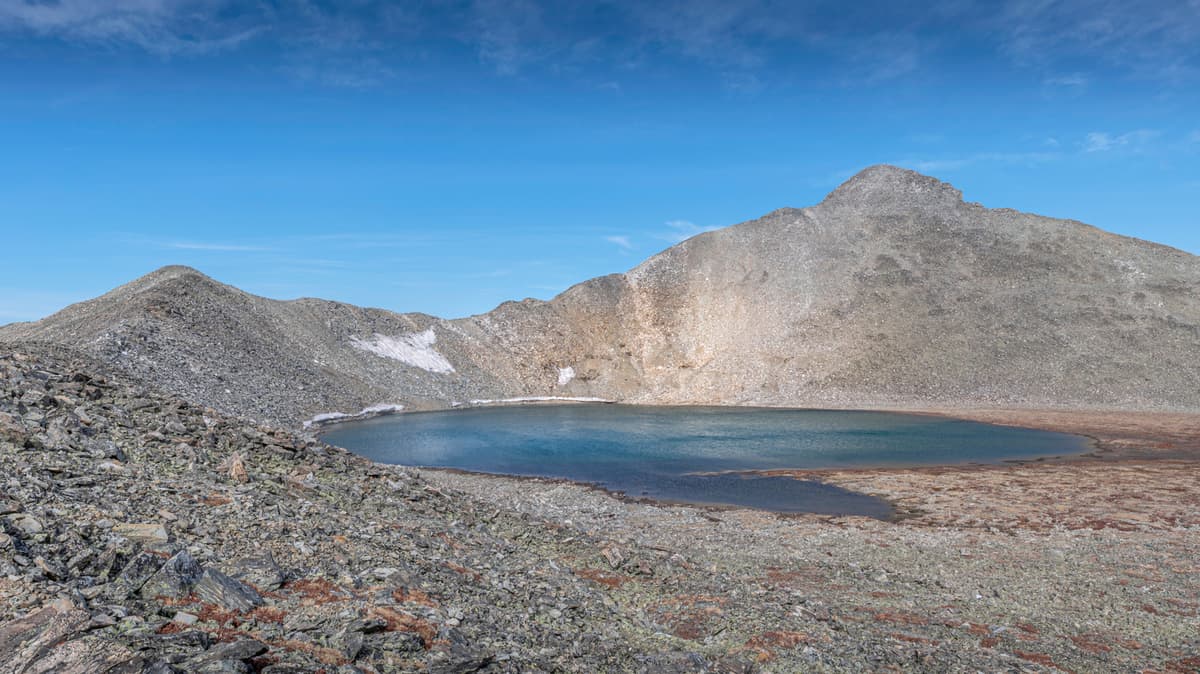
The Highest Named Lake In The US Is A Colorado Beauty With Gorgeous Mountains Surrounding It
Why It Matters
The lake’s record elevation draws high‑altitude tourists, boosting Colorado’s outdoor economy while highlighting the need for sustainable mountain‑range management.
Key Takeaways
- •Pacific Tarn sits at 13,435 ft, highest named US lake.
- •12.5‑mile McCullough Gulch Loop gains 3,500 ft elevation.
- •Parking near Breckenridge costs $10‑$55; shuttle rides $7.
- •Lake depth ~28 ft; water remains near‑freezing even summer.
- •Located in White River National Forest, 2.3 million‑acre public land.
Pulse Analysis
Pacific Tarn, perched at 13,435 feet above sea level, claims the title of the United States’ highest named lake. Formed by ancient glaciers, the tarn sits in a rocky basin of the Mosquito sub‑range of the Rockies, just south of Pacific Peak. Though modest in size, its waters plunge roughly 28 feet, offering crystal‑clear reflections of surrounding peaks. The lake’s remote setting—accessible only via a strenuous 12.5‑mile loop—makes it a magnet for seasoned hikers seeking an alpine trophy. Its remote allure also contributes to limited human impact, preserving its pristine condition.
The trek to Pacific Tarn fuels a niche but growing segment of Colorado’s outdoor economy. Breckenridge, the nearest ski town, sees a surge in early‑season visitors who book hotels, campgrounds, and parking permits—ranging from $10 for a few hours to $55 for a full day—to access the trailhead. A $7 shuttle service further lowers the barrier for day‑hikers, while guide outfits capitalize on the demand for acclimatization advice and altitude‑sickness protocols. The high‑elevation challenge also drives sales of specialized gear, from insulated water bottles to lightweight packrafts. Local businesses report a 15% increase in off‑peak bookings linked to the lake’s growing fame.
Beyond recreation, Pacific Tarn sits within the 2.3‑million‑acre White River National Forest, a landscape increasingly vulnerable to climate shifts. Rising temperatures threaten the snowpack that feeds the tarn, potentially altering its water level and seasonal ice cover. Forest managers emphasize Leave‑No‑Trace practices and water‑filtering guidelines to protect both hikers and the fragile ecosystem. As alpine lakes serve as early indicators of broader environmental change, monitoring Pacific Tarn’s hydrology could inform regional conservation strategies and underscore the need for sustainable tourism in high‑altitude destinations. Citizen science projects are already collecting temperature data to track long‑term trends.
The Highest Named Lake In The US Is A Colorado Beauty With Gorgeous Mountains Surrounding It
Comments
Want to join the conversation?
Loading comments...