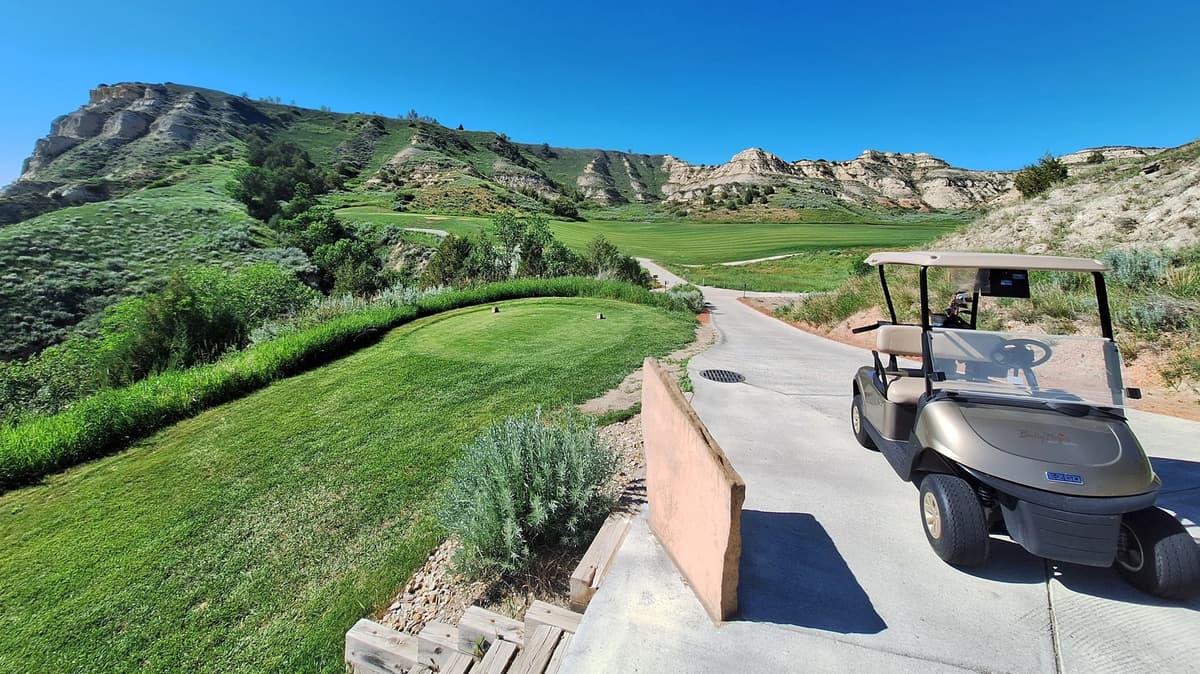
The Midwest Boasts 3 Of The Top-Ranked Public Golf Courses In The US For 2026
Companies Mentioned
Why It Matters
The recognition spotlights the Midwest as a premier public‑golf destination, driving tourism revenue and expanding access to world‑class courses traditionally associated with coastal or elite private clubs.
Key Takeaways
- •USA Today lists three Midwest courses in top‑10 public rankings 2026
- •Bully Pulpit (ND) costs $107, features cliffside tees and canyon par‑3
- •Pete Dye Course (IN) charges $450‑$500, spans 8,100 yards with 300‑yard par‑3
- •Payne’s Valley (MO) – Tiger Woods’ public course, $600 tee, $1,000 reward
- •All three courses within two hours of airports, offering family‑friendly lodging
Pulse Analysis
The latest USA Today ranking shatters the long‑standing coastal bias in American golf by elevating three heartland courses into the top‑ten public‑course tier for 2026. Historically, the Midwest has been viewed as a budget‑oriented stop‑over rather than a showcase for championship‑level design. By earning spots alongside famed seaside venues, Bully Pulpit, Payne’s Valley and the Pete Dye Course signal that the region can deliver both visual drama and technical challenge. This shift is already prompting travel agents and golf‑tour operators to add Midwestern itineraries to their premium packages.
Bully Pulpit, perched on Badlands buttes, commands $107 for a cart‑included round and offers cliff‑side tees that drop into a 100‑foot canyon on its signature par‑3. The Pete Dye Course at French Lick stretches 8,100 yards, with rates from $450 on weekdays to $500 on weekends, and features the notorious 300‑yard water‑hazard par‑3 that tests even low‑handicappers. Payne’s Valley, Tiger Woods’ inaugural public design, costs $600 per round and sweetens the deal with a $1,000 Bass Pro Shops gift‑card for a hole‑in‑one on its bonus 19th. Each resort pairs the course with upscale lodging—Rough Riders Hotel, Big Cedar Lodge, and French Lick Springs Hotel—ensuring non‑golfers can enjoy dining, trails, and entertainment.
From an industry perspective, the Midwest’s ascent underscores the growing appetite for high‑quality public golf experiences that do not require club membership fees. Local economies stand to gain millions in ancillary spending on hotels, restaurants, and retail, while the courses themselves benefit from higher utilization rates and media exposure. As climate‑change considerations push players toward inland destinations with reliable weather windows, we can expect more architects and investors to target the region, further diversifying the U.S. golf landscape.
The Midwest Boasts 3 Of The Top-Ranked Public Golf Courses In The US For 2026
Comments
Want to join the conversation?
Loading comments...