Why It Matters
Ireland’s scenery fuels a robust tourism sector that generates billions in visitor spend, and highlighting both famous and lesser‑known sites helps spread economic benefits across the island. Travel operators and local businesses can leverage these insights to attract premium travelers seeking authentic, off‑the‑beaten‑path experiences.
Key Takeaways
- •Causeway Coast spans 120 miles from Belfast to Derry
- •Cliffs of Moher rise 700 feet above Atlantic
- •Ring of Kerry offers 111‑mile drive through Killarney National Park
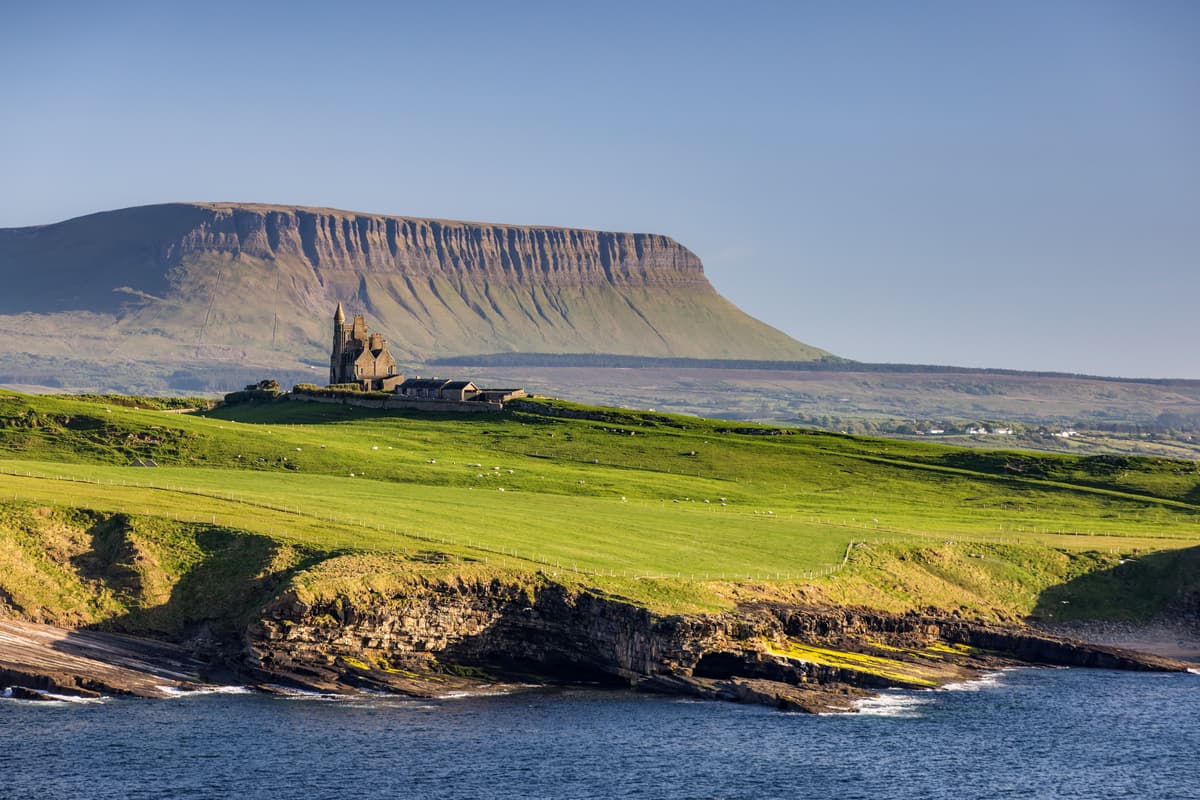
- •Benbulben inspired W.B. Yeats' 1938 poem 'Under Ben Bulben'
- •Trinity College's Long Room closes for three‑year restoration starting 2027
Pulse Analysis
Ireland has re‑emerged as a top European travel destination, with inbound arrivals climbing to over 12 million in 2025 and visitor spending exceeding $9 billion. The country’s blend of dramatic coastlines, historic sites, and lush countryside appeals to high‑spending tourists who prioritize authentic experiences over mass‑market attractions. By curating a mix of iconic landmarks—such as the Giant’s Causeway and the Cliffs of Moher—and off‑the‑radar locales like the Burren and Donegal, the article taps into a growing demand for immersive, photo‑ready itineraries that drive longer stays and higher per‑guest spend.
The highlighted routes, from the 120‑mile Causeway Coast to the 111‑mile Ring of Kerry, showcase Ireland’s well‑developed road and e‑bike infrastructure, making self‑driven exploration both convenient and eco‑friendly. Seasonal tips, like visiting the Cliffs of Moher at sunrise or timing a trip to Skellig Michael for puffin season, add value for travelers seeking to avoid crowds. Meanwhile, the upcoming three‑year restoration of Trinity College’s Long Room underscores the nation’s commitment to preserving cultural assets, a factor that resonates with heritage‑focused visitors and can be leveraged in premium tour packages.
For tourism operators, the article’s blend of famous and hidden gems presents a roadmap for product diversification. Promoting lesser‑known destinations such as Downpatrick Head or the Horn Head peninsula can alleviate pressure on over‑visited sites while extending visitor spend to rural communities. Digital marketers should embed long‑tail keywords like "off‑season Ireland road trips" and "e‑bike tours County Mayo" to capture intent‑driven traffic. Sustainable‑tourism initiatives, paired with storytelling that highlights local food, craft beer, and historic anecdotes, will position Ireland as a destination that delivers both unforgettable scenery and responsible travel experiences.
The Most Beautiful Places in Ireland
Comments
Want to join the conversation?
Loading comments...