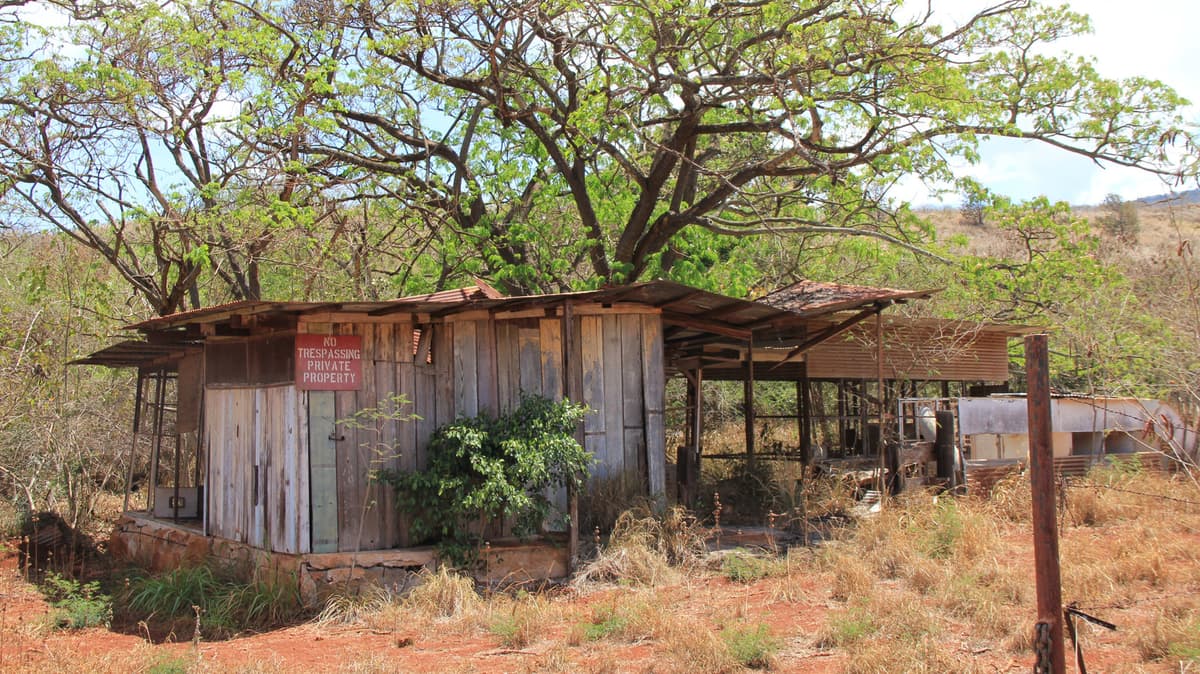
The National Parks System Is Reopening Hawaii's Once-Forgotten 'Hell Valley' For The First Time In 80 Years
Why It Matters
Reopening Honouliuli transforms a forgotten wartime scar into an educational resource, deepening public understanding of civil liberties violations and expanding heritage tourism in Hawaii.
Key Takeaways
- •Honouliuli opens July 18, 2026, first public tours in 80 years
- •Site once held ~400 civilians and 4,000 POWs during WWII
- •Tours limited to 22 guests, three hours, require water and closed shoes
- •Honouliuli designated National Monument 2015, now a historic site
Pulse Analysis
The story of Honouliuli National Historic Site is a stark reminder that the Pacific front of World II included not only battles but also mass internments. From 1943 to 1946 the remote gulch in the Wai‘anae mountains housed roughly 400 civilians—mostly of Japanese and European ancestry—without trial, alongside 4,000 prisoners of war, many of whom were Okinawan or Korean. Forgotten after the war, the site resurfaced in 2002 when volunteers from the Japanese Cultural Center of Hawai‘i located its remnants, prompting President Obama to designate it a National Monument in 2015. Congress later elevated it to a historic site, joining the rare company of only two such sites in the state.
The National Park Service’s decision to reopen Honouliuli this summer reflects a growing emphasis on confronting uncomfortable histories. Starting July 18, 2026, the agency will run six free tours, each limited to 22 participants and lasting about three hours. Visitors will trek from Hawaii’s Plantation Village, hike unshaded trails, and explore partially restored barracks while a guide explains the lived experiences of internees and POWs. Practical requirements—closed‑toed shoes, two liters of water, and a shuttle ride—ensure safety in the arid environment, while the limited capacity creates an intimate, reflective experience.
Beyond education, Honouliuli’s reopening signals a broader shift in heritage tourism toward inclusive narratives. By integrating this somber chapter into the island’s visitor itinerary, Hawaii can attract culturally curious travelers, diversify its tourism portfolio, and generate modest economic benefits for local communities. Moreover, the NPS’s stewardship underscores a national commitment to preserving sites that challenge the myth of an unblemished past, fostering dialogue about civil rights, historical memory, and reconciliation.
The National Parks System Is Reopening Hawaii's Once-Forgotten 'Hell Valley' For The First Time In 80 Years
Comments
Want to join the conversation?
Loading comments...