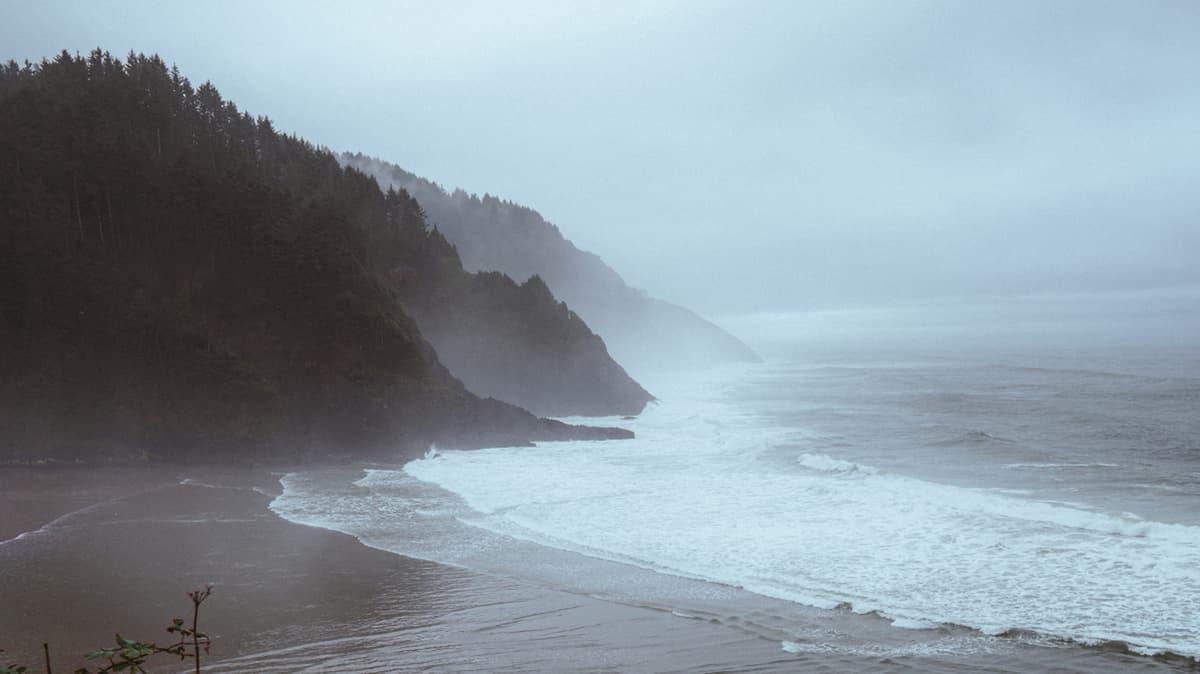
The Oregon Coast's Forested State Park Has Camping, Miles Of Trails, And A Beach With Whale Watching
Companies Mentioned
Why It Matters
The park’s diverse amenities boost regional tourism and support local economies while offering sustainable, low‑impact outdoor recreation. Its whale‑watching access enhances Oregon’s appeal as a premier coastal wildlife destination.
Key Takeaways
- •Year‑round camping includes RV sites, tents, and two rentable yurts
- •Heceta Head Trail leads to lighthouse with panoramic ocean views
- •Hobbit Trail offers 1.3‑mile forest loop ending at Hobbit Beach
- •Gray whale migration passes within view of the park’s 5‑mile beach
- •Peak whale‑watching months: December‑January and April‑June
Pulse Analysis
Oregon’s coastal state parks are experiencing a surge in visitor interest as travelers prioritize nature‑based getaways. Carl G. Washburne Memorial State Park exemplifies this trend, combining affordable lodging options—ranging from traditional campsites to modern yurts—with easy access to the iconic U.S. Highway 101 corridor. The park’s proximity to the towns of Florence and Yachats creates a spillover effect, driving demand for local restaurants, gear rentals, and boutique accommodations, thereby injecting revenue into small‑town economies that rely heavily on seasonal tourism.
The park’s trail network taps into the broader Oregon Coast Trail system, offering hikers both short, family‑friendly loops and more ambitious routes that connect to historic landmarks like Heceta Head Lighthouse. These well‑maintained paths attract outdoor enthusiasts who share their experiences on platforms such as AllTrails and The Dyrt, amplifying the park’s visibility through user‑generated content. As social media continues to shape travel decisions, the park’s photogenic vistas—forested promontories, tide pools, and sweeping ocean panoramas—serve as organic marketing assets that draw a steady stream of visitors seeking shareable moments.
Perhaps the most distinctive draw is the on‑shore whale‑watching opportunity. During the gray‑whale migration, observers can spot spouts and breaching whales from the park’s five‑mile beach without boarding a vessel, a rarity on the West Coast. This low‑impact wildlife experience aligns with growing consumer preferences for sustainable tourism, where travelers value authentic encounters that minimize ecological footprints. By positioning itself as a hub for both recreation and conservation, Washburne State Park not only bolsters Oregon’s tourism portfolio but also reinforces the state’s reputation as a steward of coastal ecosystems.
The Oregon Coast's Forested State Park Has Camping, Miles Of Trails, And A Beach With Whale Watching
Comments
Want to join the conversation?
Loading comments...