“There Is No Separation Between the Visitor and the Environment”: How First Nations Values Are Reshaping Tourism on This Remote Archipelago
Why It Matters
The transition empowers the Haida people to control economic benefits and protect their heritage, setting a model for Indigenous‑led tourism worldwide.
Key Takeaways
- •Haida Nation gained full sovereignty via 2024 Recognition Act.
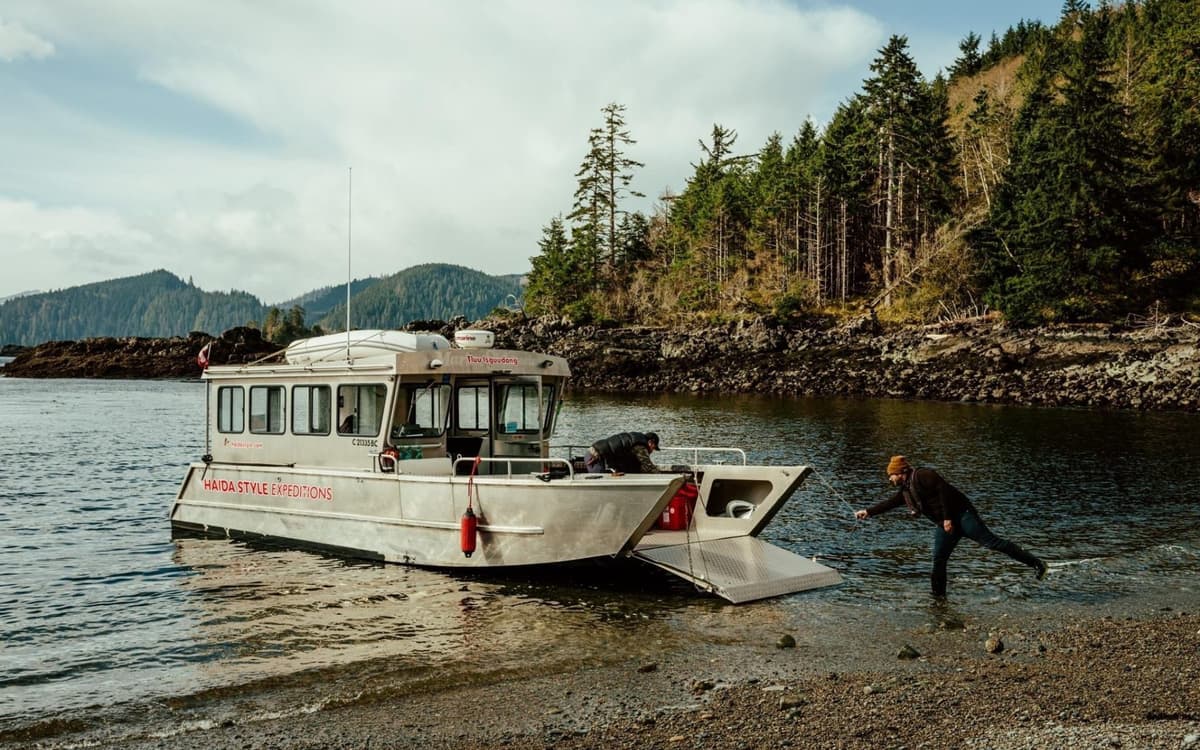
- •Haida-owned operators like Haida Style Expeditions prioritize local hiring and cultural tours.
- •Gwaii Haanas limits 33,000 day visits, allocating 11,000 to Haida businesses.
- •Hiellen Village Longhouses reinvest tourism revenue into Old Massett community.
- •Youth mentorship programs aim to sustain Haida-led tourism workforce.
Pulse Analysis
The recent Haida Nation Recognition Act marks a watershed moment for Indigenous governance in Canada, granting the Haida people full authority over their ancestral lands. This legal shift not only restores centuries‑old stewardship practices but also creates a framework for economic self‑determination. By owning and operating tourism enterprises, Haida communities can directly channel visitor spending into cultural preservation, infrastructure, and local employment, reducing reliance on external operators who have historically extracted value without reinvesting in the region.
Tourism on Haida Gwaii is evolving from a resource‑driven model to a culturally immersive experience. Quota‑controlled access to Gwaii Haanas ensures that visitor numbers remain sustainable, while the allocation of 11,000 visits to Haida‑run businesses encourages authentic storytelling and guided activities rooted in traditional knowledge. Companies like Haida Style Expeditions blend kayaking, fishing, and wildlife observation with narratives about the Lyell Blockade and the island’s ecological significance, appealing to travelers seeking depth beyond recreation.
Challenges remain as the archipelago lacks a centralized tourism board, forcing operators to juggle infrastructure gaps, seasonal labor shortages, and the need for youth mentorship. Initiatives at Hiellen Village Longhouses illustrate a proactive approach: revenue is funneled back into the Old Massett community, supporting new cedar longhouses and training programs that embed Haida values in the visitor experience. As demand grows, the Haida model could serve as a blueprint for other Indigenous territories aiming to balance economic development with cultural integrity and environmental stewardship.
“There is no separation between the visitor and the environment”: How First Nations values are reshaping tourism on this remote archipelago
Comments
Want to join the conversation?
Loading comments...