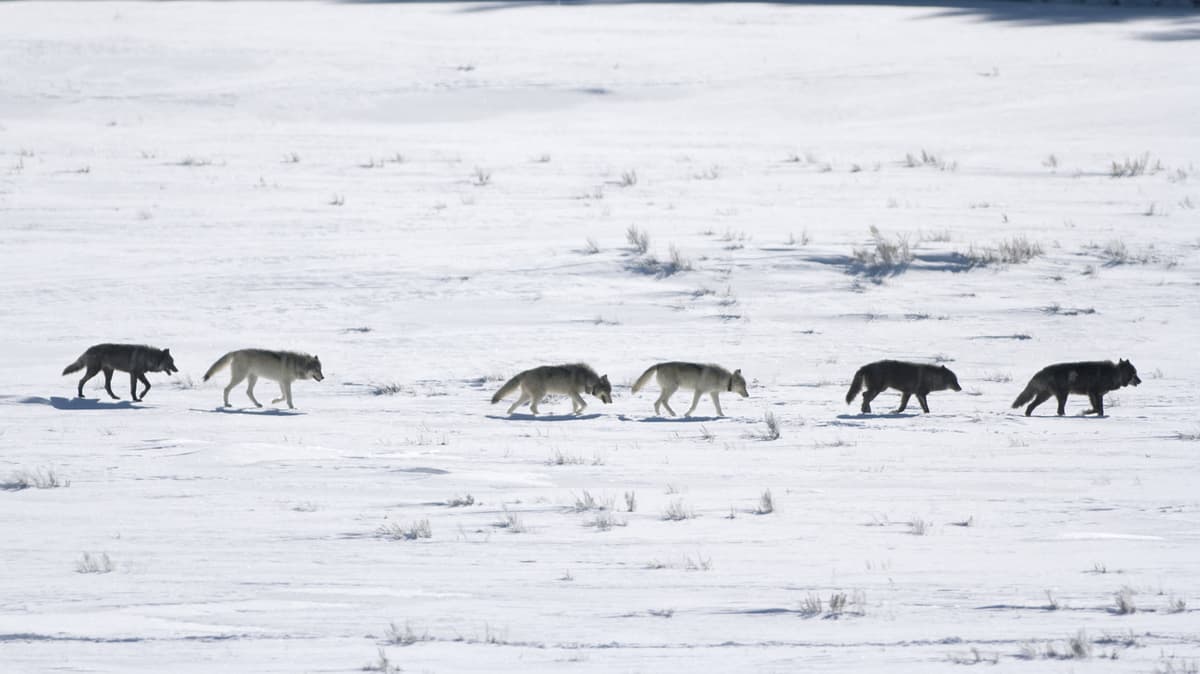
This Corner Of Yellowstone National Park Is One Of The World's Best Places To See Wolves In The Wild
Companies Mentioned
Why It Matters
Restoring wolves reshaped Yellowstone’s food web, boosting biodiversity and attracting tourism revenue. The valley’s reputation draws wildlife enthusiasts, supporting local economies and conservation awareness.
Key Takeaways
- •Wolves travel up to 30 miles daily while hunting
- •1995 reintroduction restored wolves, reviving Yellowstone’s ecosystem
- •Winter and early summer offer highest wolf‑spotting odds
- •Guided tours by Yellowstone Safari Company hold 4.9‑star rating
- •America the Beautiful Pass waives Lamar Valley entry fee
Pulse Analysis
The 1995 wolf reintroduction in Yellowstone stands as a landmark conservation effort, reversing a century‑long decline that had destabilized the park’s trophic cascade. By re‑establishing apex predators, elk populations were moderated, allowing overgrazed willow and aspen stands to recover, which in turn supported beaver colonies, songbirds, and a richer biodiversity. Lamar Valley’s expansive, treeless terrain provides the ideal stage for these dynamics, making it a living laboratory for ecologists and a magnet for nature‑focused travelers.
For visitors, timing and preparation are key to successful wolf watching. Data from the Yellowstone Safari Company show that winter snow cover and early summer daylight hours concentrate wolf activity in the open valleys, improving sighting odds. Guided tours, praised for a 4.9‑star Google rating, equip guests with high‑powered spotting scopes and seasoned naturalists who know pack movement patterns. Safety protocols—such as staying in vehicles and respecting park rules—ensure both human and wildlife protection while delivering unforgettable close‑up encounters.
Beyond the ecological intrigue, wolf tourism fuels the regional economy. The America the Beautiful Pass eliminates entry fees for many, encouraging repeat visits and longer stays that benefit nearby lodgings, restaurants, and outfitters. Revenue generated supports park maintenance, research, and ongoing predator management programs. As climate variability threatens snowpack and prey distribution, park officials are monitoring wolf behavior to adapt management strategies, ensuring that Lamar Valley remains a premier destination for wildlife observation and conservation education.
This Corner Of Yellowstone National Park Is One Of The World's Best Places To See Wolves In The Wild
Comments
Want to join the conversation?
Loading comments...