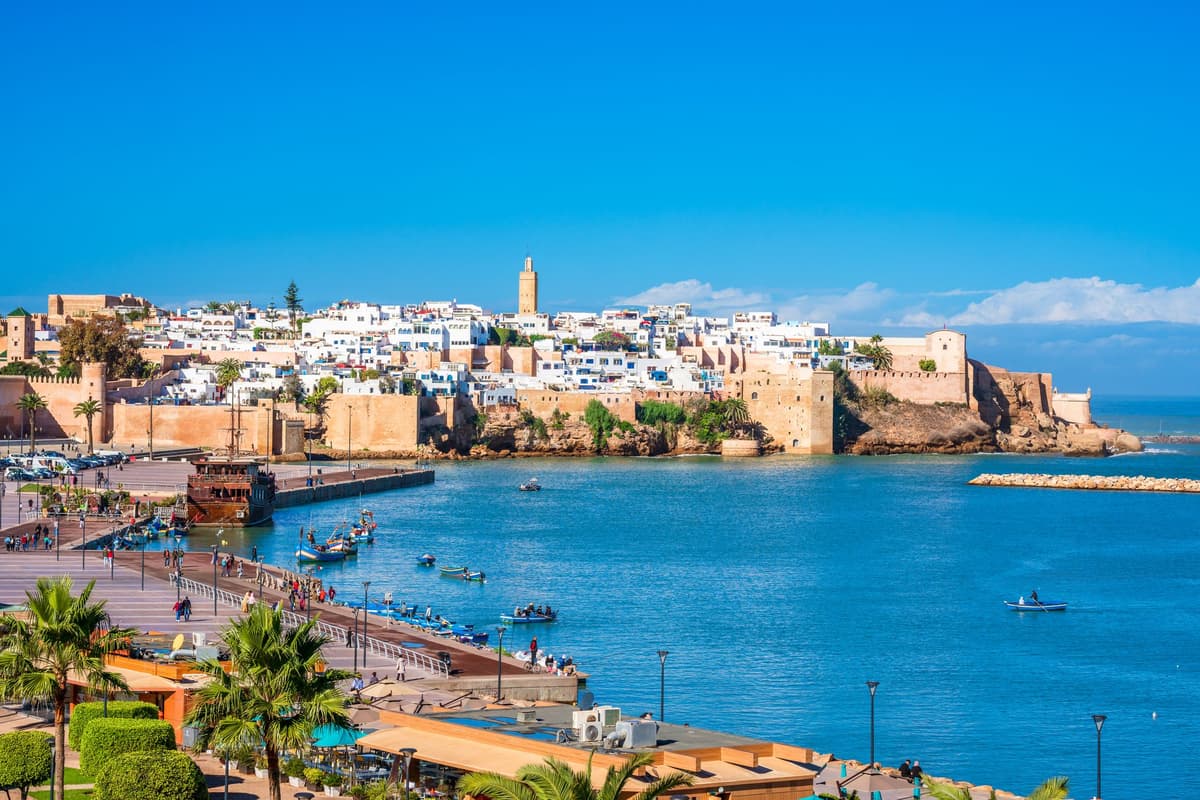
This Moroccan City Is UNESCO's World Book Capital of 2026
Why It Matters
The honor spotlights Rabat’s growing publishing sector and reinforces UNESCO’s agenda of literacy‑driven economic and social progress, attracting cultural tourism and investment.
Key Takeaways
- •Rabat hosts 54 publishing houses, boosting Morocco's literary sector.
- •City will run literacy programs for women and youth in 2026.
- •Rabat's book fair ranks third largest in Africa.
- •UNESCO designation underscores books' role in sustainable development.
- •Rabat joins Rio, Strasbourg, Accra as recent World Book Capitals.
Pulse Analysis
UNESCO’s World Book Capital program, launched in 2001, designates a city each year to champion reading, publishing and freedom of expression. Selections are made by an advisory committee that includes major bookseller, author and library associations, ensuring the chosen city demonstrates tangible commitment to literacy and cultural exchange. The title not only raises a city’s global profile but also unlocks funding and partnerships that can accelerate local publishing ecosystems and educational initiatives. Rabat’s 2026 appointment reflects its strategic positioning at the crossroads of African and European literary markets.
Rabat’s literary landscape is already robust, with 54 active publishing houses and a vibrant network of independent bookstores. Its annual book and publishing fair, the third‑largest on the continent, draws regional authors, agents and readers, generating significant economic activity and media attention. The UNESCO label amplifies these assets, promising increased tourism, higher attendance at cultural events, and new opportunities for Moroccan authors to reach international audiences. Local businesses anticipate a surge in hospitality demand as literary festivals and author tours become fixtures of the city’s calendar.
Beyond economics, the World Book Capital status is a catalyst for social impact. UNESCO highlighted Rabat’s efforts to empower women and youth through reading programs, targeting illiteracy in underserved neighborhoods. By integrating books into sustainable development goals, the city can improve educational outcomes, foster civic participation and nurture a creative economy. The global spotlight may also inspire other African municipalities to invest in their cultural infrastructure, positioning the continent as a rising force in the global publishing arena.
This Moroccan City Is UNESCO's World Book Capital of 2026
Comments
Want to join the conversation?
Loading comments...