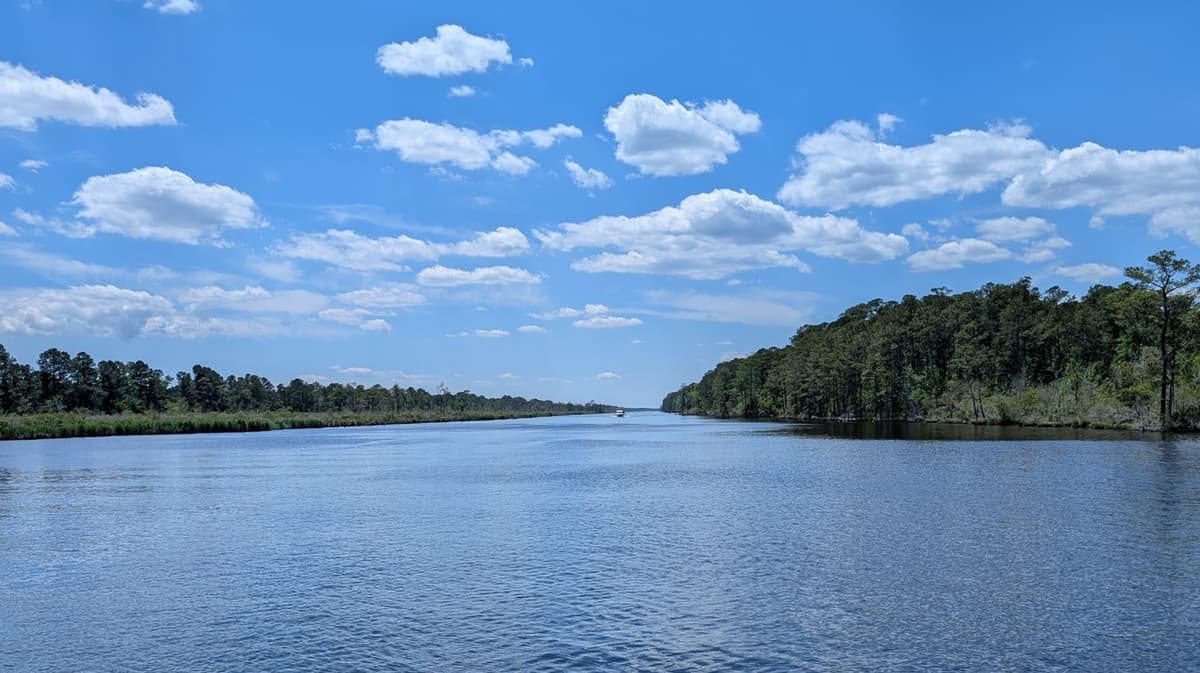
This North Carolina Reserve Is A Swampy East Coast Haven Full Of Native Plants, Rare Wolves, And Alligators
Why It Matters
Buckridge Reserve safeguards rare habitats and endangered species, reinforcing regional biodiversity and serving as a living laboratory for conservation science. Its protection bolsters recovery programs for red wolves and alligators, species that have faced historic declines.
Key Takeaways
- •Inland reserve connects two major wildlife refuges, enhancing habitat corridors
- •Old‑growth Atlantic white cedar forest offers unique research opportunities
- •Fewer than 30 wild red wolves remain, confined to this peninsula
- •Alligator population rebounded to over 5 million across the Southeast
Pulse Analysis
The Emily and Richardson Preyer Buckridge Reserve stands out as North Carolina’s sole inland conservation parcel, strategically positioned within the East Dismal Swamp. By linking the Pocosin Lakes and Alligator River National Wildlife Refuges, it creates a contiguous corridor that supports species movement and genetic diversity—an essential factor for long‑term ecosystem resilience. Researchers prize the reserve’s non‑riverine swamp forests, especially the extensive old‑growth Atlantic white cedar stands, which serve as benchmarks for studying climate impacts on wetland carbon storage.
Beyond its scientific value, the reserve plays a pivotal role in wildlife recovery. The red wolf, once widespread along the Atlantic seaboard, now survives in the wild only on this Albemarle Peninsula enclave, with fewer than 30 individuals roaming the swamps. Simultaneously, the area marks the northern edge of the American alligator’s resurgence, a species that has rebounded from a 1960s low of a few thousand to over five million across the Southeast. These successes underscore how protected wetlands can reverse decades‑long declines when habitat is preserved and managed.
For visitors, Buckridge offers low‑impact recreation that balances public access with conservation goals. Day‑only hiking, guided boat tours, and wildlife photography allow enthusiasts to experience the swamp’s biodiversity without disturbing sensitive species. The reserve’s remote location—19 miles south of Columbia and reachable via NC‑94 or nearby boat ramps—means crowds remain thin, preserving the tranquil atmosphere that makes it a premier destination for eco‑tourism and a model for integrating research, recovery, and responsible public use.
This North Carolina Reserve Is A Swampy East Coast Haven Full Of Native Plants, Rare Wolves, And Alligators
Comments
Want to join the conversation?
Loading comments...