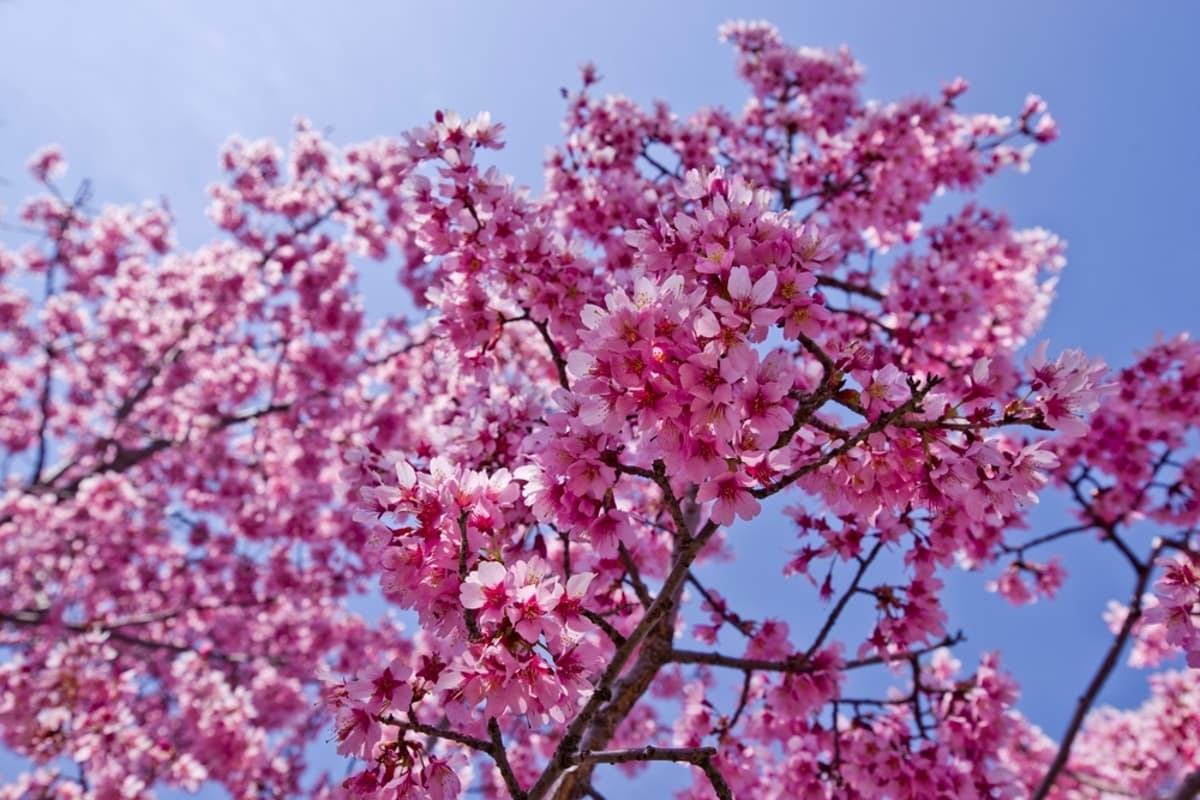
This South London Park Just Got 130 New Cherry Blossom Trees From Japan
Why It Matters
The planting deepens cultural ties between the UK and Japan while enhancing Greenwich Park’s appeal as a seasonal tourist draw, supporting local economies and urban green space initiatives.
Key Takeaways
- •130 Japanese cherry saplings planted in Greenwich Park’s new valley
- •Prunus ‘sekiyama’ trees grow up to 12 m tall, 8 m spread
- •Sakura Cherry Tree Project donated the trees, symbolizing UK‑Japan friendship
- •Mature blossoms will boost spring tourism and local recreation
- •Saplings need years to establish before full pink display
Pulse Analysis
Greenwich Park’s latest horticultural project underscores how cities use symbolic planting to reinforce international relationships. The 130 Prunus ‘sekiyama’ saplings arrived from Japan as part of the Sakura Cherry Tree Project, an initiative that has placed thousands of Japanese cherry trees across the United Kingdom since 2019. By gifting these trees, the project not only celebrates the long‑standing friendship between the two nations but also introduces a species renowned for its delicate pink blossoms, enriching the park’s botanical diversity and cultural narrative.
The immediate impact on the local economy may be modest, but the long‑term tourism potential is significant. Once the trees mature, Greenwich Park will join a growing list of UK locations—such as Kew Gardens and the Royal Botanic Garden Edinburgh—that attract visitors eager to experience cherry blossom season. Springtime foot traffic translates into higher spending at nearby cafés, transport services, and heritage sites, reinforcing the park’s role as a seasonal magnet for both domestic and international travelers.
From a horticultural perspective, the introduction of ‘sekiyama’ cherry trees presents both opportunities and challenges. The species thrives in well‑drained soils and can reach 12 metres in height, demanding careful site preparation and ongoing maintenance to ensure healthy growth. Climate resilience is also a consideration, as shifting weather patterns could affect bloom timing. Nevertheless, the project offers a platform for community engagement through educational programs, volunteer planting events, and citizen‑science monitoring, aligning with broader urban greening trends that prioritize biodiversity, cultural heritage, and public well‑being.
This south London park just got 130 new cherry blossom trees from Japan
Comments
Want to join the conversation?
Loading comments...