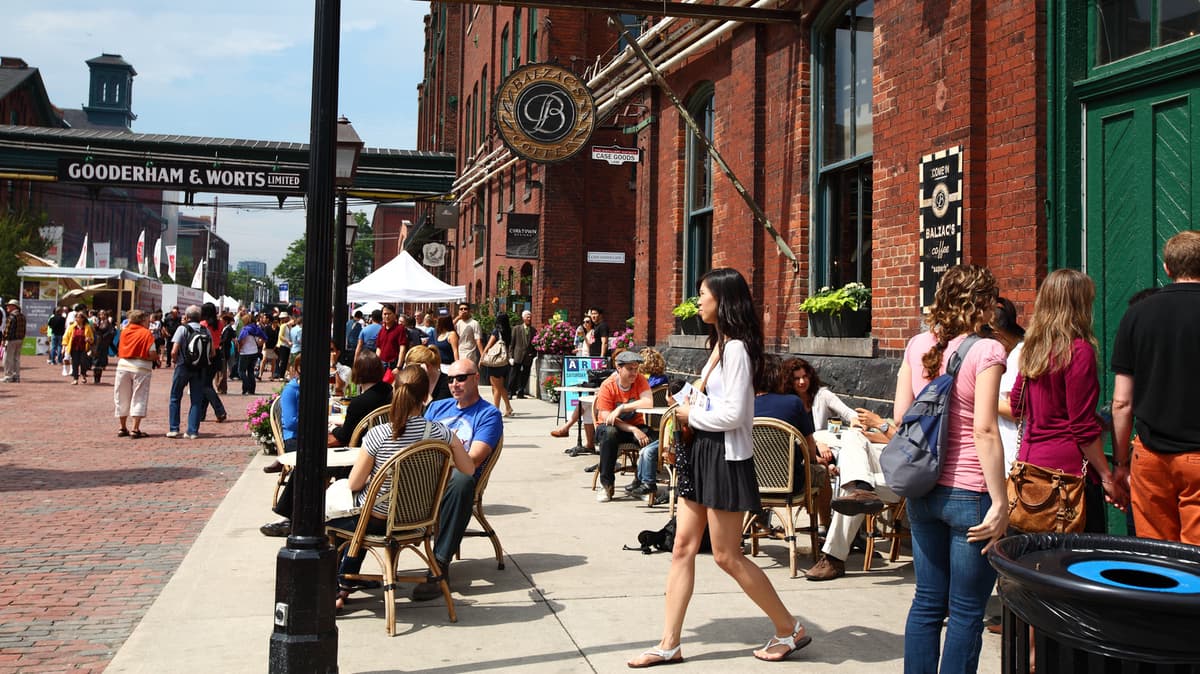
Toronto's Car-Free Historic District Is A Vibrant Cultural Hub With Shops, Tasty Eats, And Nostalgic Charm
Companies Mentioned
Why It Matters
The district showcases how adaptive reuse can generate sustained tourism revenue, create jobs, and reinforce a city’s cultural brand, influencing future redevelopment projects worldwide.
Key Takeaways
- •13‑acre car‑free district draws millions of visitors annually
- •Over 20 eateries blend historic ambience with modern cuisine
- •Live performances and festivals boost local creative economy
- •Adaptive reuse preserves Victorian architecture while generating retail revenue
Pulse Analysis
Toronto’s Distillery District illustrates the power of adaptive reuse, turning a defunct 19th‑century distillery into a vibrant mixed‑use precinct. By retaining the original Victorian brick façades and pedestrian‑only streets, the redevelopment respects heritage while meeting contemporary demand for experiential spaces. This approach mirrors a broader North American trend where cities repurpose industrial sites into cultural districts, leveraging authenticity to attract visitors seeking immersive experiences rather than generic retail environments.
Economically, the district has become a significant tourism engine for Toronto. With more than 20 dining concepts ranging from artisanal coffee to craft‑cocktail bars, and a roster of boutique retailers showcasing Canadian design, the area generates substantial direct sales and ancillary spending at nearby hotels and transportation services. Seasonal events like the Winter Village amplify foot traffic, translating into higher occupancy for local venues and creating seasonal employment opportunities. Analysts estimate that the district contributes several million dollars annually to the city’s hospitality tax base, underscoring how heritage‑driven precincts can deliver measurable fiscal benefits.
Looking ahead, the Distillery District’s success positions it as a model for sustainable urban planning. Its car‑free layout reduces emissions and enhances walkability, aligning with Toronto’s climate goals. Continued investment in programming—such as expanded performing‑arts collaborations and interactive heritage tours—will keep the district relevant amid competition from emerging neighbourhoods like Kensington Market. As cities worldwide grapple with vacant industrial assets, the Distillery District offers a proven blueprint: preserve the past, activate the present, and drive future economic growth.
Toronto's Car-Free Historic District Is A Vibrant Cultural Hub With Shops, Tasty Eats, And Nostalgic Charm
Comments
Want to join the conversation?
Loading comments...