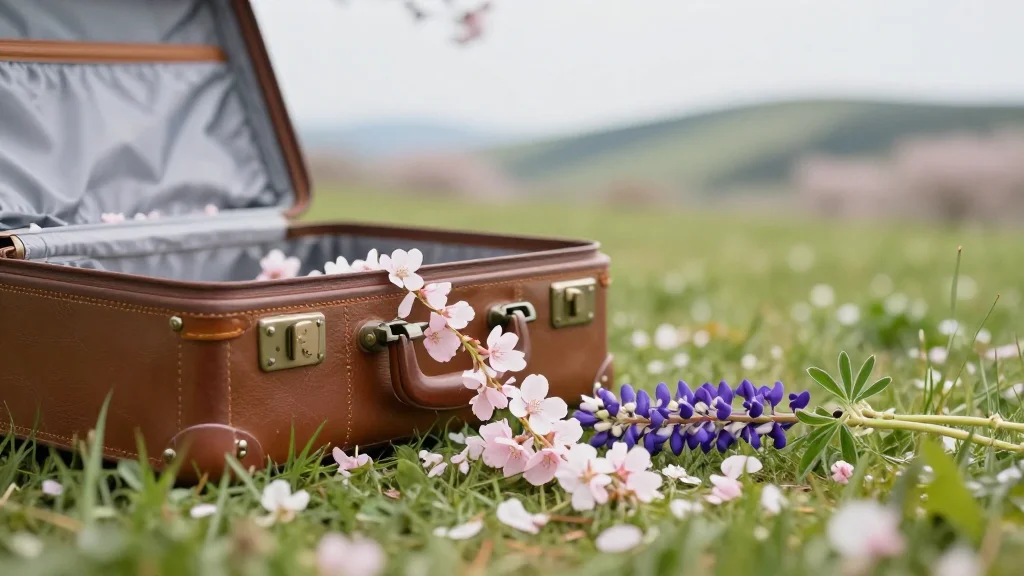
Travel Experts Spotlight Five Overseas Hotspots for Wildflower Blooms

Why It Matters
Wildflower tourism taps into a post‑pandemic desire for authentic, low‑impact experiences, positioning nature as a primary travel product rather than a backdrop. By foregrounding seasonal blooms, destinations can extend their tourism seasons, diversify revenue streams, and promote conservation through visitor education. The trend also encourages travel providers to invest in localized knowledge and sustainable practices, which could reshape how itineraries are designed across the industry. Furthermore, the focus on bloom windows creates a natural alignment with digital platforms that deliver real‑time environmental data, opening opportunities for tech‑travel partnerships. As travelers increasingly seek purpose‑driven trips, destinations that can reliably deliver these floral spectacles will gain a competitive edge in the crowded global market.
Key Takeaways
- •Travel experts name five overseas spots where wildflowers are at peak bloom in spring/summer.
- •Muker Meadows in Yorkshire Dales offers biodiverse displays of wood crane’s‑bill and melancholy thistle.
- •Japan’s cherry‑blossom avenues, especially Ueno Park and Kyoto’s Philosopher’s Path, remain iconic bloom sites.
- •High‑altitude valleys in India provide alpine wildflower carpets during the short summer season.
- •The trend reflects a shift toward slower, nature‑focused travel, extending tourism seasons and supporting rural economies.
Pulse Analysis
The surge in wildflower tourism signals a pivot from traditional, activity‑heavy travel toward experiences that are both sensory and sustainable. Historically, flower festivals—like the Dutch tulip season—have driven short‑term visitor spikes, but the 2026 trend is broader, encompassing remote meadows and alpine valleys that lack the infrastructure of classic festivals. This democratization of nature tourism could redistribute visitor flows, easing pressure on over‑touristed urban centers while injecting spend into peripheral regions.
From a competitive standpoint, travel brands that integrate real‑time bloom tracking, local guide networks, and low‑impact transport options will differentiate themselves. Companies such as Away Holidays are already positioning themselves as curators of seasonal experiences, a strategy that aligns with the growing consumer appetite for authenticity. Conversely, destinations that rely solely on mass‑market marketing may miss out on the higher‑value, niche segment that wildflower tourists represent.
Looking ahead, the convergence of climate variability and bloom timing will add a layer of complexity. Operators will need to invest in adaptive planning—perhaps leveraging AI to predict bloom windows and adjust itineraries on the fly. Those that can balance ecological stewardship with profitable offerings will likely set the standard for the next decade of travel.
Travel Experts Spotlight Five Overseas Hotspots for Wildflower Blooms
Comments
Want to join the conversation?
Loading comments...