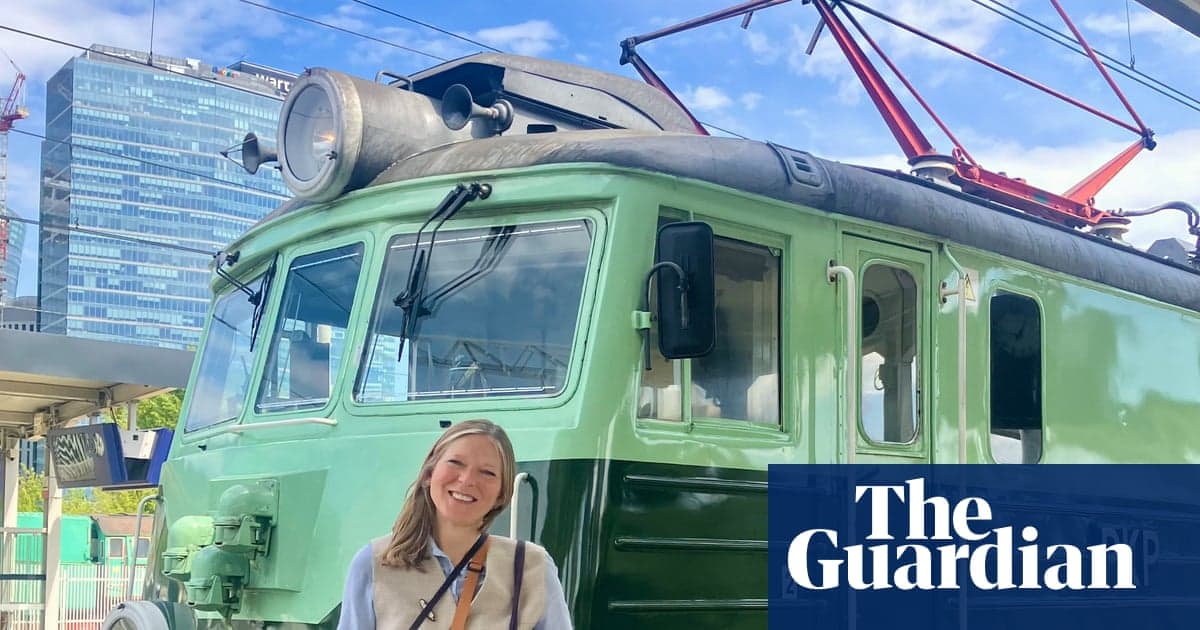
Tripe Soup and Bitter Coffee in the Dining Car: A Nostalgic Ride Through Poland on a Communist-Era Train
Why It Matters
The nostalgic service boosts domestic tourism and showcases Poland’s rail heritage while supporting the broader modernization agenda, signaling growth opportunities for operators and ancillary businesses.
Key Takeaways
- •Poland’s 2026 Year of Railways celebrates 100‑year state rail anniversary
- •PKP Intercity marks 25 years with retro ‘Nieśpieszny’ weekend trips
- •Retro journeys cost about $25 per ticket, run through summer 2026
- •Dining car serves vintage dishes like tripe soup and grainy coffee
- •Rail Champion award highlights Poland’s modern rail expansion alongside nostalgia
Pulse Analysis
Heritage tourism is gaining traction across Europe, and Poland’s “Nieśpieszny” retro journeys tap directly into that trend. By refurbishing 1980s carriages and pricing tickets at about $25, the service offers an affordable, immersive experience that appeals to both locals and visitors seeking a nostalgic glimpse of the communist‑era railways. The period‑authentic interiors, open windows, and a dining car serving traditional fare such as tripe soup and grainy coffee create a unique selling proposition that differentiates the offering from high‑speed services, driving incremental revenue for PKP Intercity and ancillary hospitality businesses.
At the same time, Poland is accelerating its rail modernization, highlighted by the recent 2026 Rail Champion award in Brussels. While the retro trains celebrate the past, the state is investing heavily in new high‑speed lines, electrification, and cross‑border connectivity to meet rising passenger demand. The coexistence of heritage services and cutting‑edge infrastructure demonstrates a balanced strategy: preserving cultural assets to attract tourism while expanding capacity and speed for economic competitiveness. This dual approach also helps the rail sector diversify revenue streams, reducing reliance on commuter traffic alone.
The success of Poland’s nostalgic rail program could inspire similar initiatives in other markets where historic rolling stock remains. By leveraging existing assets, operators can generate additional traffic without the capital outlay of new trains, while reinforcing brand identity rooted in national history. As European rail networks continue to integrate under the Trans-European Transport Network (TEN‑T), heritage routes may serve as complementary experiences that enrich the overall travel ecosystem, positioning rail as both a modern mobility solution and a cultural attraction for the years ahead.
Tripe soup and bitter coffee in the dining car: a nostalgic ride through Poland on a communist-era train
Comments
Want to join the conversation?
Loading comments...