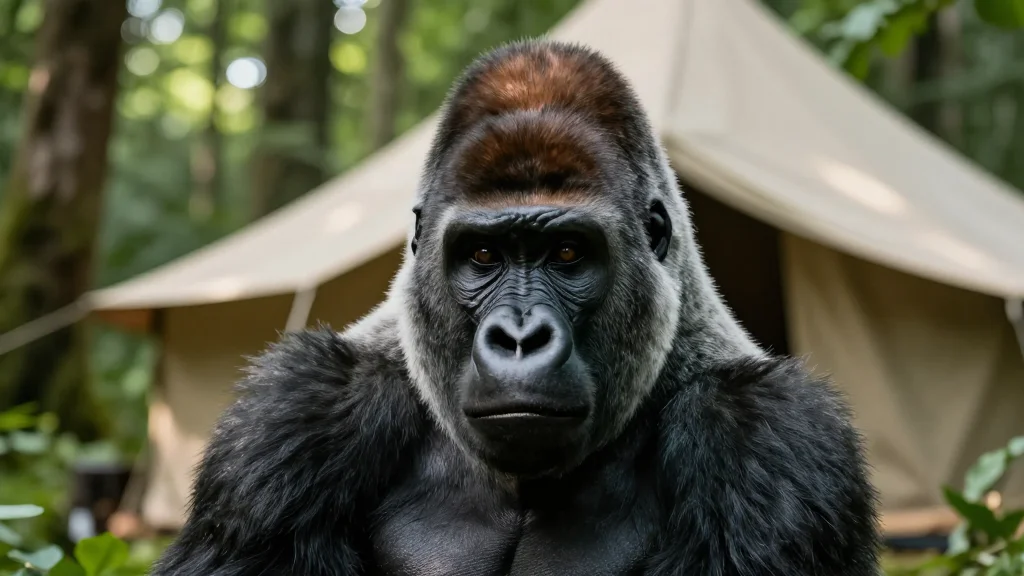
Uganda Halves Gorilla Trekking Permit Fees, Revives Lodges to Lure Travelers

Why It Matters
The permit‑price reduction directly challenges Rwanda’s long‑standing monopoly on premium gorilla tourism, forcing both nations to innovate on value and experience. For Uganda, higher visitor numbers can boost conservation funding, as a larger share of permit fees is earmarked for anti‑poaching initiatives and habitat protection. Moreover, the broader itinerary—combining wildlife, culture, and culinary experiences—signals a shift toward diversified tourism that reduces reliance on a single attraction and spreads economic benefits across more communities. For the global travel industry, Uganda’s strategy illustrates how pricing and product diversification can revive a destination’s appeal in a competitive market. Other wildlife‑focused regions may emulate this model, balancing premium experiences with accessible pricing to attract a wider demographic while safeguarding natural assets.
Key Takeaways
- •Uganda’s gorilla trekking permits are now about half the price of Rwanda’s
- •New luxury lodges like Silverback Lodge have reopened in Bwindi Impenetrable Forest
- •Abercrombie & Kent’s itinerary pairs gorilla trekking with cultural stops in Kampala
- •Uganda hosts 445 of the world’s 1,021 mountain gorillas, the largest single‑country population
- •The 2025 gorilla census results are pending, which could influence future tourism strategies
Pulse Analysis
Uganda’s decision to slash gorilla‑trekking permit fees is a calculated gamble that leverages its numerical advantage in gorilla populations. Historically, Rwanda has commanded higher prices by branding its parks as ultra‑exclusive, but the price elasticity of demand for wildlife tourism suggests that many travelers are price‑sensitive, especially post‑pandemic when discretionary spending remains cautious. By offering two days of tracking for the cost of one, Uganda not only undercuts Rwanda but also creates a compelling value proposition for tour operators seeking to bundle experiences.
The move also aligns with a broader trend of experiential diversification. Travelers increasingly demand authentic cultural immersion alongside iconic wildlife encounters. Uganda’s inclusion of Kampala’s bustling markets, the Kasubi Tombs, and tea‑plantation landscapes broadens its appeal beyond the niche gorilla‑watcher. This holistic approach can lengthen average stay durations, increase per‑capita spend, and distribute tourism revenue more evenly across urban and rural economies.
However, the strategy carries risks. Lower permit fees could reduce per‑visitor revenue, potentially straining conservation budgets unless offset by higher visitor volumes. The pending 2025 census will be a critical data point: if the gorilla population remains stable or grows, the increased footfall may be sustainable; if numbers decline, intensified tourism could exacerbate habitat stress. Uganda’s success will hinge on balancing accessibility with rigorous anti‑poaching measures and community‑based conservation programs, setting a template for other wildlife destinations navigating the price‑value paradox.
Uganda halves gorilla trekking permit fees, revives lodges to lure travelers
Comments
Want to join the conversation?
Loading comments...