Uluru Kakararra Trail Opens: $25 Million, 54‑km Walk Links Kata Tjuta to Uluru

Why It Matters
The Uluru Kakararra Trail represents a convergence of luxury adventure travel and Indigenous partnership, a model that could reshape tourism in protected areas worldwide. By limiting daily capacity and embedding Anangu employment targets, the project aims to deliver economic benefits to local communities while safeguarding the delicate desert environment. If successful, the trail could spur similar collaborations across Australia’s national parks, encouraging operators to invest in high‑value, low‑impact experiences that meet growing traveler demand for authentic cultural immersion. Conversely, any missteps could reignite debates over the commercialization of sacred lands and the capacity of fragile ecosystems to accommodate upscale tourism.
Key Takeaways
- •Five‑day, 54‑km Uluru Kakararra Trail opens, linking Kata Tjuta and Uluru
- •$25 million (≈$17 million USD) investment over ten years, 38 km of new track
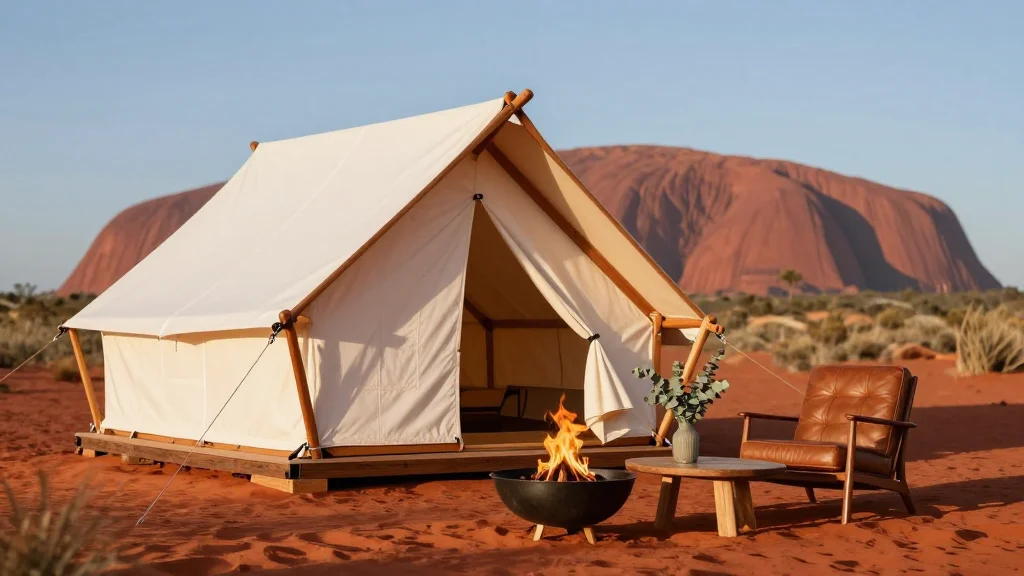
- •Limited to 16 guests per day; includes glamping tents and two‑night stay at Mala Lodge
- •Target of 33 percent Anangu employment in the first decade
- •Trail designed with low‑impact infrastructure and co‑managed by Anangu Traditional Owners and Parks Australia
Pulse Analysis
The launch of the Uluru Kakararra Trail signals a strategic shift in Australian tourism toward premium, experience‑driven products that marry natural wonder with cultural authenticity. Historically, the Red Centre has been dominated by mass‑market day tours and budget backpacker routes. By contrast, the Tasmanian Walking Company’s model leverages scarcity (16‑guest caps) and high‑margin services—glamping, spa amenities, chef‑curated meals—to attract affluent travelers willing to pay a premium for exclusivity and stewardship.
From a competitive standpoint, the trail pits itself against established luxury wilderness brands in New Zealand’s Fiordland and Patagonia’s Torres del Paine, both of which have cultivated reputations for low‑impact, high‑service expeditions. The partnership with Anangu Traditional Owners differentiates the offering further, providing a narrative of Indigenous co‑creation that resonates with a growing segment of eco‑conscious tourists. This alignment could translate into higher willingness to pay, as evidenced by the rapid sell‑out of the inaugural season.
Looking ahead, the trail’s success will hinge on balancing visitor experience with environmental and cultural safeguards. Monitoring metrics such as water usage, waste management and biodiversity impact will be essential to maintain the World Heritage status of the park. Moreover, the 33 percent Anangu employment target sets a precedent for inclusive economic development, but achieving it will require sustained training and capacity‑building initiatives. If these challenges are met, the Uluru Kakararra Trail could become a template for future collaborations across Australia’s protected landscapes, redefining how luxury adventure travel coexists with Indigenous custodianship and conservation imperatives.
Uluru Kakararra Trail Opens: $25 Million, 54‑km Walk Links Kata Tjuta to Uluru
Comments
Want to join the conversation?
Loading comments...