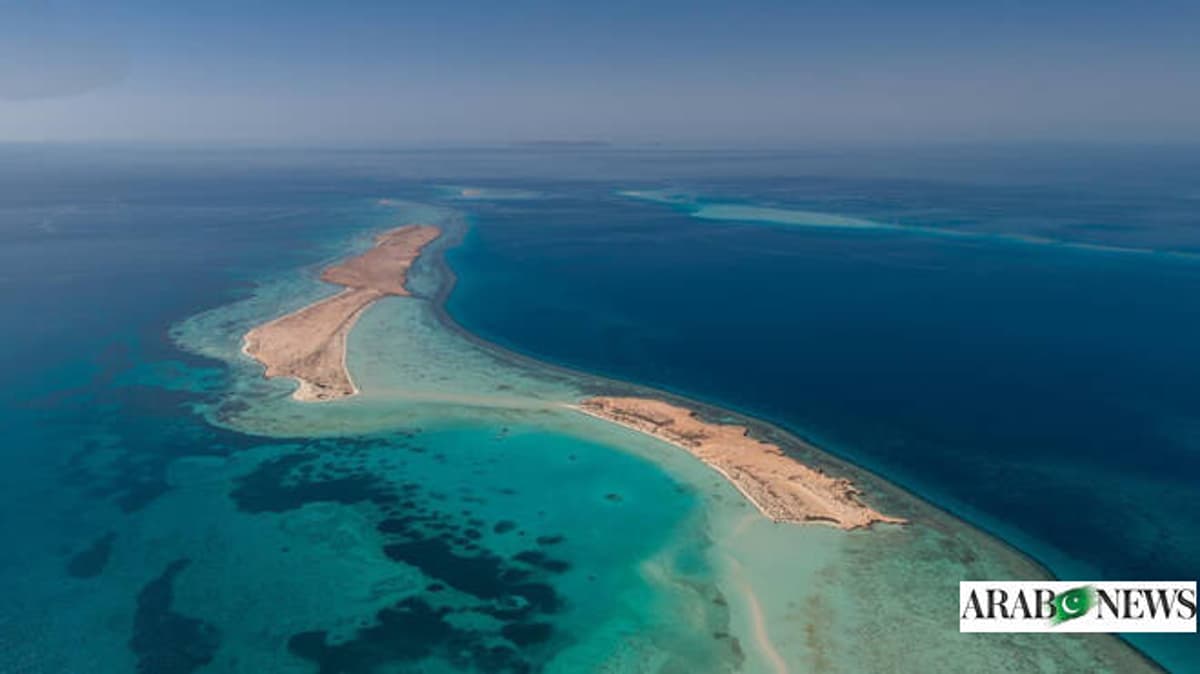
Umluj: A Sustainable Tourism Destination in Saudi Arabia
Why It Matters
The development diversifies Saudi Arabia’s economy beyond oil, aligning with Vision 2030’s goal of expanding the tourism sector. Successful eco‑tourism in Umluj could set a benchmark for sustainable destination planning in the Middle East.
Key Takeaways
- •Over 100 pristine islands host coral reefs and marine life
- •Saudi Red Sea Authority backs eco‑tourism projects in Umluj
- •Restored souk and museum showcase centuries of maritime trade
- •Volcanic field Harrat Lunayyir offers unique geological tourism
- •Sustainable tourism supports Saudi Vision 2030 economic diversification
Pulse Analysis
Saudi Arabia’s Vision 2030 has placed tourism at the forefront of its diversification strategy, earmarking the Red Sea coastline for world‑class, environmentally conscious development. The Saudi Red Sea Authority, created to oversee this transformation, emphasizes low‑impact infrastructure, renewable energy, and strict conservation protocols. By integrating these standards into Umluj’s master plan, the kingdom signals its commitment to meeting global sustainability benchmarks while tapping into the growing demand for eco‑luxury travel.
Umluj’s natural endowments provide a compelling foundation for the project. The archipelago’s 100‑plus islands host thriving coral reefs that shelter green and hawksbill turtles, dolphins, and dugongs, while migratory birds use the coastal wetlands as seasonal stopovers. Inland, the volcanic Harrat Lunayyir field adds a dramatic geological dimension, and the restored souk and museum preserve a narrative of centuries‑old maritime trade. Together, these assets enable a diversified visitor experience that blends marine adventure, cultural immersion, and geological exploration.
Economically, Umluj’s sustainable tourism model aims to generate high‑value jobs, stimulate private‑sector investment, and increase foreign exchange earnings without compromising ecological integrity. Early projections suggest the region could attract up to 1 million tourists annually within five years, contributing significantly to the kingdom’s target of 100 million visitors by 2030. However, success hinges on effective management of visitor flow, ongoing habitat protection, and community engagement. If executed well, Umluj may become a template for responsible tourism across the Middle East, reinforcing Saudi Arabia’s broader ambition to be a leader in sustainable development.
Umluj: A sustainable tourism destination in Saudi Arabia
Comments
Want to join the conversation?
Loading comments...