Utah's Wildly Underrated Historic Monument Is A Stunning Sandstone Monolith With Millennia-Old Art
Companies Mentioned
Why It Matters
The monument offers a rare, tangible record of ancient Southwest cultures while presenting a growth opportunity for sustainable tourism and heritage preservation in Utah’s public lands.
Key Takeaways
- •Over 650 petroglyphs span 1,500 years of history
- •Attributed to Basketmaker, Ancestral Puebloan, and Ute peoples
- •Receives ~1,000 Google reviews versus Canyonlands' 9,100
- •Free BLM site, but vulnerable to vandalism
- •Best visited in spring for wildflower backdrop
Pulse Analysis
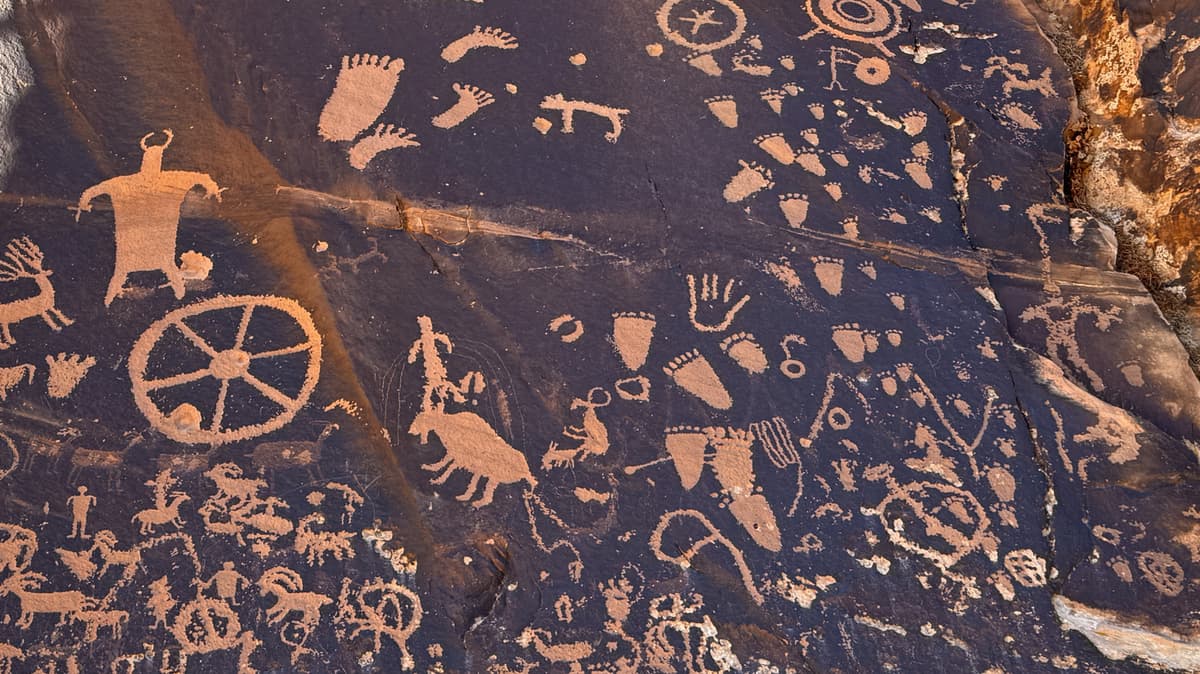
Petroglyph sites like Newspaper Rock provide a direct link to the storytelling traditions of early peoples, predating written language by millennia. While the Lascaux caves dominate global headlines, the sheer scale of Newspaper Rock’s 200‑square‑foot canvas—home to hundreds of animal silhouettes, human figures, and geometric motifs—places it among the most extensive rock‑art assemblages in North America. Scholars attribute the oldest carvings to the Basketmaker and Ancestral Puebloan cultures (c. 500 B.C.–1350 A.D.), with later Ute contributions adding a layered narrative that spans centuries of cultural evolution.
Despite its cultural weight, Newspaper Rock remains an under‑toured gem compared with the heavily trafficked Canyonlands National Park. The site’s modest 1,000 Google reviews contrast sharply with Canyonlands’ 9,100, indicating untapped potential for heritage tourism that could boost local economies without overwhelming the fragile environment. Visitors are drawn by the open‑air gallery and the dramatic backdrop of the Bears Ears National Monument, especially during spring when wildflowers bloom across the high desert. Strategic promotion of this free, easily accessible attraction could redistribute visitor flow, easing pressure on more crowded landmarks while delivering new revenue streams for nearby communities.
Preservation, however, is a pressing concern. The same highway proximity that makes Newspaper Rock convenient also exposes it to vandalism and natural erosion. Managed by the Bureau of Land Management, the site relies on limited infrastructure—no restrooms, only non‑flush toilets—and a simple fence to deter damage. Collaborative stewardship involving Indigenous groups, federal agencies, and responsible tourism operators is essential to safeguard the petroglyphs for future generations. Enhanced monitoring, visitor education, and modest investment in protective measures could balance public access with the long‑term conservation of this irreplaceable cultural archive.
Utah's Wildly Underrated Historic Monument Is A Stunning Sandstone Monolith With Millennia-Old Art
Comments
Want to join the conversation?
Loading comments...