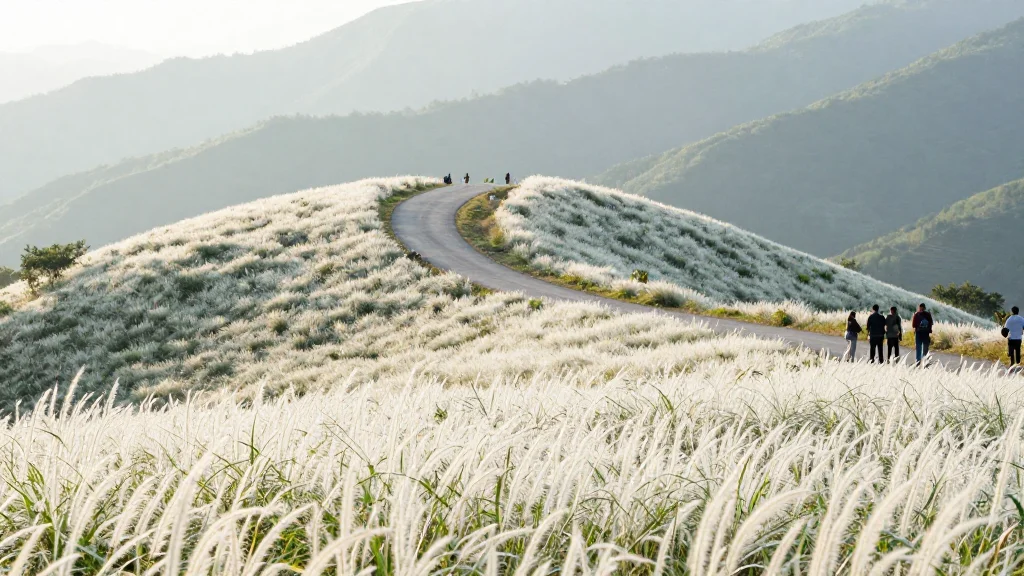
Vietnam Highlights Tia Lo Cogon Grass Hill as New Off‑Road Adventure Spot

Why It Matters
Tia Lo cogon grass hill’s rapid rise underscores the power of social media to spotlight remote natural assets, reshaping travel demand without heavy marketing spend. For Vietnam, the site offers a low‑cost, low‑impact addition to its tourism mix, potentially easing pressure on over‑visited hotspots while delivering economic benefits to rural communities. The phenomenon also highlights the need for proactive conservation policies to protect fragile ecosystems that become popular overnight. If managed wisely, Tia Lo could set a precedent for sustainable, community‑driven tourism in other under‑explored regions of Southeast Asia, demonstrating that authentic natural experiences can thrive alongside responsible stewardship.
Key Takeaways
- •Vietnam’s tourism board officially promotes Tia Lo cogon grass hill as a new adventure destination.
- •The hill spans roughly 1 hectare of naturally occurring white cogon grass, blooming for about a month each April.
- •Easy road access (40 km from the provincial center) enables low‑clearance cars to reach the site.
- •Hundreds of locals and tourists visit on weekends, driven by viral social‑media images.
- •Authorities are considering visitor‑management measures to protect the fragile grass ecosystem.
Pulse Analysis
The Tia Lo phenomenon illustrates a shift in travel discovery from curated itineraries to organic, user‑generated content. In the past, Vietnam’s tourism growth relied heavily on flagship attractions—Ha Long Bay, Hoi An, and the Mekong Delta—supported by large‑scale marketing budgets. Tia Lo’s ascent, however, bypasses that model, leveraging Instagram‑ready visuals that spread organically. This democratization of destination marketing reduces entry barriers for remote locales, allowing them to compete for attention on a global stage.
From a market perspective, the hill’s appeal aligns with the rising demand for “slow travel” and nature‑focused experiences among post‑pandemic travelers. The brief blooming window creates a scarcity premium, encouraging early‑booking behavior and repeat visits in subsequent years. For local economies, the influx of weekend tourists translates into incremental revenue for small‑scale operators—guesthouses, food vendors, and transport providers—without the need for massive capital projects. This micro‑tourism model can be replicated across Vietnam’s mountainous provinces, diversifying income streams and reducing over‑reliance on traditional mass‑tourism sites.
The challenge lies in balancing growth with preservation. Cogon grass ecosystems are sensitive to trampling and soil compaction. If visitor numbers continue to rise, the very authenticity that fuels Tia Lo’s allure could erode. Proactive measures—such as defined pathways, visitor caps, and community‑led stewardship programs—will be essential to maintain the hill’s ecological integrity. Successful management could position Tia Lo as a benchmark for sustainable viral tourism, offering a roadmap for other regions seeking to harness social media momentum while safeguarding natural heritage.
Vietnam Highlights Tia Lo Cogon Grass Hill as New Off‑Road Adventure Spot
Comments
Want to join the conversation?
Loading comments...