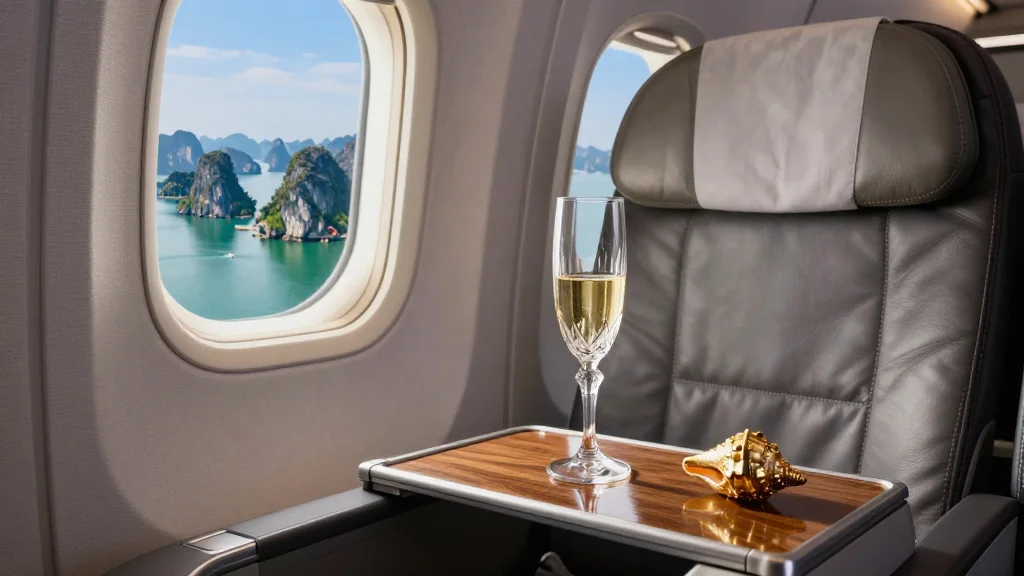
Vietnam Shifts to High‑Spending, Longer‑Stay Tourism, Aiming for $42.7B Revenue in 2026

Why It Matters
Vietnam’s pivot reflects a broader global trend where destinations seek to capture higher‑value tourism rather than chase raw visitor counts. By focusing on longer stays and premium experiences, Vietnam aims to boost foreign exchange earnings, create higher‑skill jobs in hospitality and reduce the environmental strain of overtourism. The strategy also positions the country to compete with regional peers like Thailand and Indonesia, which are already courting upscale travelers. If successful, the model could reshape Southeast Asia’s tourism economics, encouraging other cost‑competitive markets to invest in luxury infrastructure and targeted marketing. Conversely, a misstep could leave Vietnam vulnerable to a slowdown in mass tourism without the premium cushion to absorb revenue gaps.
Key Takeaways
- •Vietnam targets 25 million foreign visitors and $42.7 billion in tourism revenue for 2026.
- •Helicopter tours now cost $110‑$721 per person, signaling a shift to premium experiences.
- •Fairmont Hanoi highlights the need for distinctive, high‑value products to drive spend.
- •Bamboo Airways plans new routes to unlock demand in under‑visited regions.
- •Phu Quoc Airport is being transformed into a ‘destination airport’ to capture pre‑flight spend.
Pulse Analysis
Vietnam’s strategic reorientation is a calculated response to the diminishing returns of volume‑based tourism. Historically, the country leveraged its low‑cost appeal to attract budget travelers, but that model left little room for revenue growth beyond basic accommodation and food. By courting high‑spending segments—business travelers, affluent leisure tourists and long‑term expatriates—Vietnam can extract more value per visitor and build a more resilient tourism ecosystem.
The move also aligns with infrastructure upgrades that have been in the pipeline for years. Expanding air connectivity, especially through Bamboo Airways’ planned routes, will reduce travel friction to secondary destinations, dispersing tourist pressure from saturated hubs like Ho Chi Minh City. Meanwhile, the ‘destination airport’ concept at Phu Quoc mirrors successful models in Singapore and Dubai, where non‑aeronautical revenue now exceeds ticket sales. If Vietnam can replicate that balance, airport retail could become a significant ancillary income stream.
However, the transition is not without risk. Premium pricing may deter price‑sensitive travelers, potentially shrinking overall visitor numbers if the market does not respond as expected. Moreover, the country must ensure that luxury development does not exacerbate social inequities or environmental degradation, issues that have plagued other fast‑growing tourism markets. Monitoring occupancy rates, average spend per day and visitor satisfaction will be critical metrics as Vietnam navigates this high‑stakes shift.
Vietnam Shifts to High‑Spending, Longer‑Stay Tourism, Aiming for $42.7B Revenue in 2026
Comments
Want to join the conversation?
Loading comments...