Virginia's Historic 1920s Theatre Is A Nostalgic Richmond Gem Selling Affordable Movie Tickets
Why It Matters
By preserving a nearly century‑old cinema at a low price point, the Byrd Theatre fuels cultural tourism and community engagement while showcasing the economic viability of historic entertainment venues.
Key Takeaways
- •Tickets cost $10, below the $16 national average.
- •Live Wurlitzer organ plays before every non‑sensory screening.
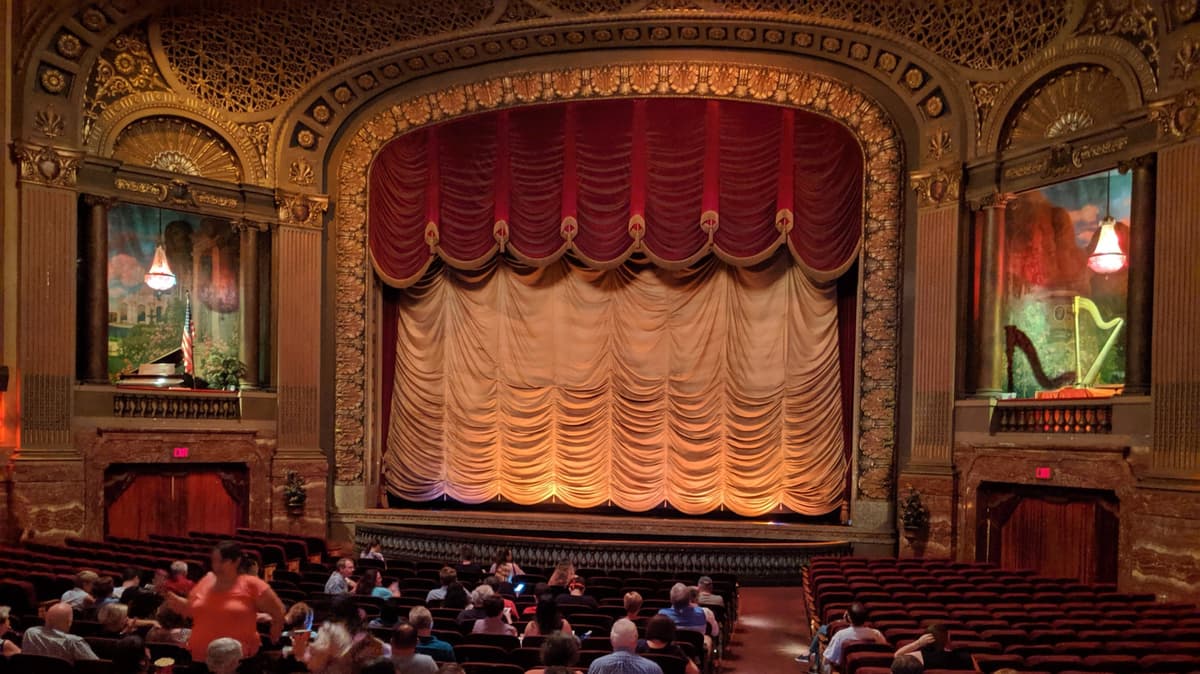
- •Original 1928 marble walls, murals, and 18‑foot chandelier remain.
- •Program mixes silent classics with current blockbusters like Mission: Impossible.
- •Free tours let visitors see off‑limits historic areas.
Pulse Analysis
The Byrd Theatre stands as a rare example of a fully intact 1920s movie palace, where architectural grandeur meets functional preservation. Its original oil‑painted murals, marble detailing, and a towering 500‑bulb chandelier create an immersive backdrop rarely found in modern multiplexes. The live Wurlitzer organ, a mid‑20th‑century instrument designed to accompany silent films, adds an auditory layer that transforms each showing into a performance art piece, reinforcing the venue’s role as a living museum of early cinema technology.
Affordability is a cornerstone of the Byrd’s appeal. At roughly $10 per ticket, it undercuts the national average by a third, positioning the theatre as an accessible cultural hub for families and students. This pricing strategy not only drives higher attendance but also stimulates ancillary spending in Carytown’s restaurants, breweries, and retail shops. The theatre’s eclectic programming—ranging from Buster Keaton silents to contemporary blockbusters—broadens its demographic reach, while free storytime sessions and guided tours deepen community ties and encourage repeat visits.
The Byrd’s success reflects a broader resurgence of historic theatres across the United States, where preservationists argue that such venues can thrive alongside streaming services when they offer unique experiences. By leveraging its architectural heritage, live organ performances, and budget‑friendly pricing, the Byrd creates a differentiated product that cannot be replicated by digital platforms. As cities seek to revitalize downtown districts, the theatre serves as a model for how cultural assets can drive tourism, support local economies, and maintain a tangible link to America’s cinematic past.
Virginia's Historic 1920s Theatre Is A Nostalgic Richmond Gem Selling Affordable Movie Tickets
Comments
Want to join the conversation?
Loading comments...