Visit Nagasaki: A Crowd-Free Alternative To Japan’s Golden Route
Why It Matters
Nagasaki’s low‑density tourism presents an untapped market for operators aiming to diversify away from saturated hotspots, potentially boosting per‑visitor spend. The shift also supports sustainable travel models that preserve local heritage while meeting demand for authentic experiences.
Key Takeaways
- •Nagasaki receives far fewer tourists than Tokyo, Kyoto, Osaka.
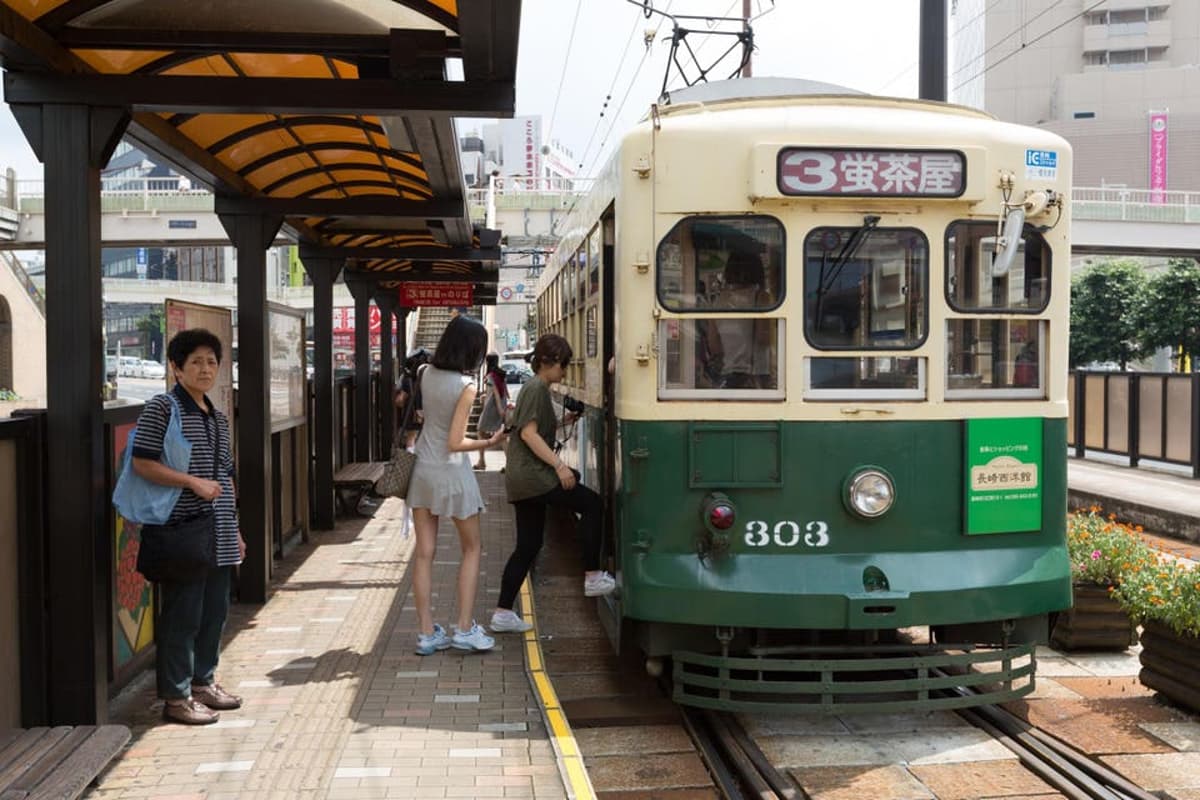
- •Historic tramway offers cheap, nostalgic city transport for visitors.
- •Dejima Island showcases Japan’s 17th‑century foreign trade gateway.
- •Shinchi Chinatown provides authentic Chinese‑Japanese cuisine experiences.
- •Inside Japan offers customizable tours, tapping niche travel demand.
Pulse Analysis
Japan’s three‑city Golden Route—Tokyo, Kyoto, Osaka—has become synonymous with over‑tourism, driving long lines, inflated prices, and strained infrastructure. As affluent travelers seek more meaningful itineraries, destinations like Nagasaki are gaining attention for their capacity to deliver cultural depth without the crowds. This shift aligns with broader industry trends favoring experiential travel, where authenticity and low‑impact experiences command premium pricing and foster brand loyalty among discerning tourists.
Nagasaki’s appeal lies in its layered history and accessible attractions. The city’s historic tramway, the only Japanese line retaining original tracks, provides an inexpensive way to explore neighborhoods dotted with UNESCO‑listed sites such as Dejima Island, a former Dutch trading post that opened Japan to Western science. Culinary highlights in Shinchi Chinatown and the iconic Megane Bridge add to a diversified portfolio of experiences that cater to cruise passengers, small‑group explorers, and solo travelers alike. The logistical ease of a short domestic flight or a scenic bullet‑train transfer further reduces friction for U.S. visitors.
For travel operators, Nagasaki represents a strategic growth avenue. Niche providers like Inside Japan leverage localized expertise to craft bespoke itineraries, capturing higher margins than mass‑market tours. The city’s lower visitor density translates to higher per‑capita spend on accommodations, dining, and cultural activities, offsetting the additional travel time required to reach the region. As sustainability and diversification become core pillars of tourism strategy, investing in under‑served markets such as Nagasaki can yield long‑term competitive advantage and resilience against the volatility of flagship destination saturation.
Visit Nagasaki: A Crowd-Free Alternative To Japan’s Golden Route
Comments
Want to join the conversation?
Loading comments...