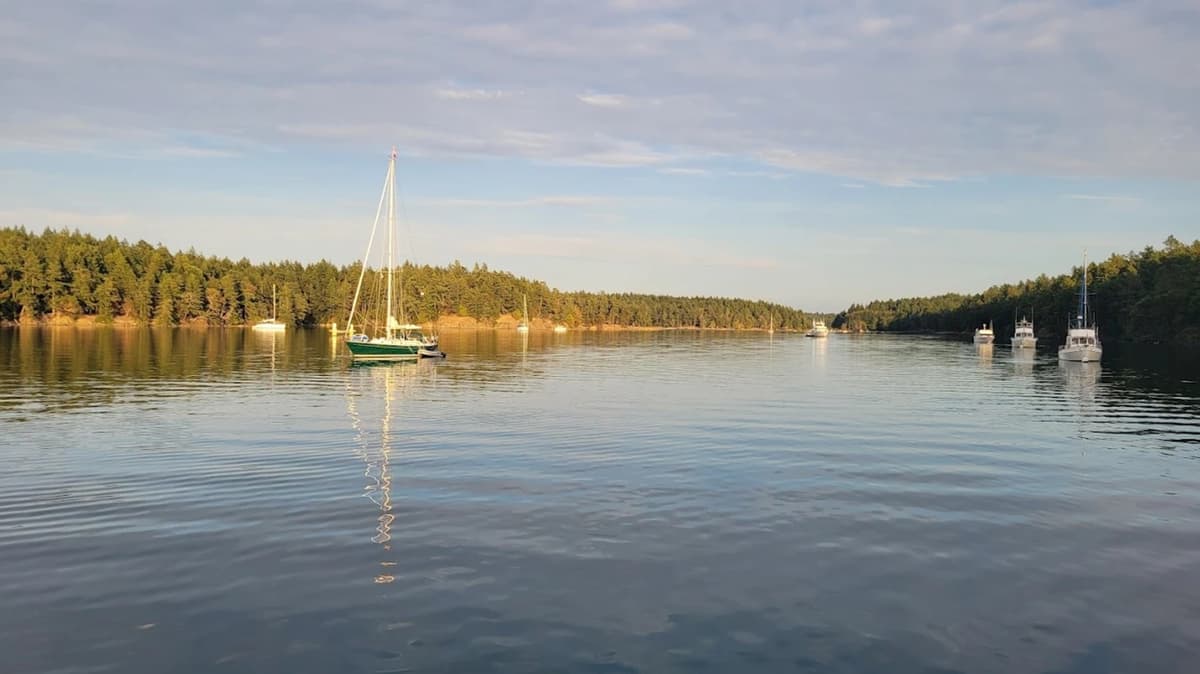
Washington's Sail-In State Park Island Has Quiet Coastal Camping
Why It Matters
The park showcases a growing niche for off‑grid coastal tourism, driving revenue for local outfitters while preserving a pristine marine environment. Its unique access model underscores the balance between recreation and conservation in the Pacific Northwest.
Key Takeaways
- •18 campsites total, four sail‑in only, no reservations required
- •Access limited to private boat, kayak, or charter; no public ferry
- •May‑Sept season offers 63‑72 °F, running water, compost toilets
- •Turn Point Light Station (1893) now managed by BLM
- •Bioluminescent waters attract guided kayak tours
Pulse Analysis
The San Juan Islands have become a magnet for travelers seeking untouched shoreline and low‑impact recreation, and Stuart Island sits at the far‑edge of that appeal. Nestled near the Canadian border, the 85‑acre marine state park is reachable only by private watercraft, a factor that filters visitors toward seasoned kayakers and boaters. This limited access preserves the island’s natural character while creating a premium experience that commands higher per‑trip spending from adventure‑focused tourists.
Stuart Island’s camping infrastructure is deliberately minimalist: 14 land‑based sites and four sail‑in spots along Reid Harbor provide basic comforts such as seasonal running water, composting toilets, and fire pits. A three‑mile forest trail leads hikers to the Turn Point Light Station, a historic 1893 lighthouse now overseen by the Bureau of Land Management, offering panoramic views of the Salish Sea and occasional orca sightings. The surrounding waters are famed for bioluminescence, a phenomenon that has spurred guided night paddles and added a distinctive draw for eco‑tour operators.
Economically, the park fuels local businesses like San Juan Outfitters, which packages multi‑day kayak expeditions that blend camping, wildlife viewing, and night‑time bioluminescent paddles. This niche tourism supports jobs while reinforcing conservation incentives, as higher visitor value aligns with protecting the island’s fragile ecosystems. Looking ahead, modest investments in sustainable amenities could expand seasonal capacity without compromising the park’s wilderness ethos, ensuring Stuart Island remains a benchmark for responsible coastal recreation.
Washington's Sail-In State Park Island Has Quiet Coastal Camping
Comments
Want to join the conversation?
Loading comments...