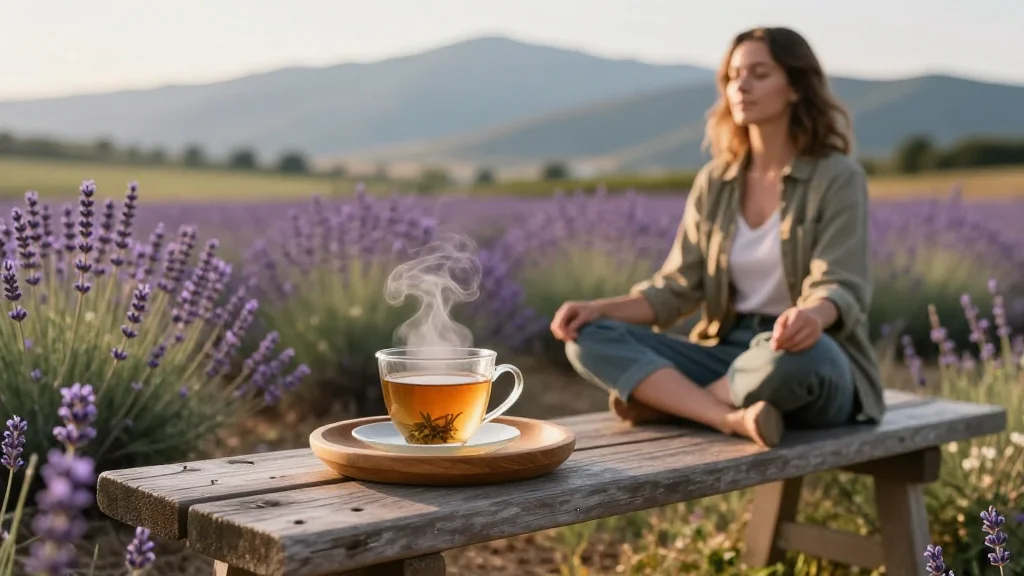
Wellness and Rural Travel Drive Slower Summer 2026 Getaways

Why It Matters
The shift toward slower, wellness‑oriented travel signals a fundamental change in consumer priorities, moving away from the fast‑paced, checklist‑style vacations that dominated the pre‑pandemic era. For destinations, especially rural communities, the trend offers a pathway to sustainable economic growth that leverages local culture and natural assets without the over‑tourism pressures seen in major cities. For the broader travel industry, the rise of decision‑detox services challenges traditional booking models, pushing airlines, hotels and OTA platforms to collaborate more closely with niche operators and health‑focused brands. Success will depend on the ability to deliver seamless, personalized experiences that meet heightened expectations for both convenience and wellbeing.
Key Takeaways
- •Travel operators launch "decision detox" packages that handle all itinerary details.
- •Wellness‑focused "glowcations" combine skincare, fitness and traditional healing.
- •Rural tourism gains momentum in Southeast and East Asia during summer 2026.
- •Longer stays in countryside locales support local economies and cultural preservation.
- •Personalization and low‑stress planning become key differentiators for travel brands.
Pulse Analysis
The summer 2026 travel outlook reflects a maturation of post‑pandemic consumer behavior. Early in the pandemic, travelers prioritized safety and flexibility; now, the emphasis has shifted to mental health, physical rejuvenation and authentic connection with place. This evolution is evident in the decision‑detox model, which removes the cognitive load of planning and replaces it with curated experiences that align with personal wellness goals. Companies that can automate personalization at scale—leveraging AI to interpret traveler preferences—will likely dominate the high‑margin segment of the market.
Rural destinations stand to benefit disproportionately from this trend. Historically, tourism revenue has concentrated in metropolitan hubs, creating infrastructure strain and cultural dilution. By redirecting demand to less‑visited regions, the industry can distribute economic benefits more evenly, fostering community‑based tourism enterprises that retain a higher share of earnings locally. However, the influx must be managed to avoid the pitfalls of over‑development; regulators and operators will need to enforce capacity limits and invest in sustainable infrastructure.
Looking ahead, the convergence of wellness and rural travel may catalyze new partnership ecosystems. Health insurers could subsidize glowcation packages as preventive care, while tech firms develop wellness‑tracking integrations for travelers on the move. The next wave of innovation will likely involve hybrid experiences that blend virtual health coaching with on‑ground retreats, creating a seamless continuum between pre‑trip preparation and post‑trip recovery. Stakeholders that anticipate and shape these intersections will set the standard for the next decade of travel.
Wellness and Rural Travel Drive Slower Summer 2026 Getaways
Comments
Want to join the conversation?
Loading comments...